
Crete & Milos – Greece
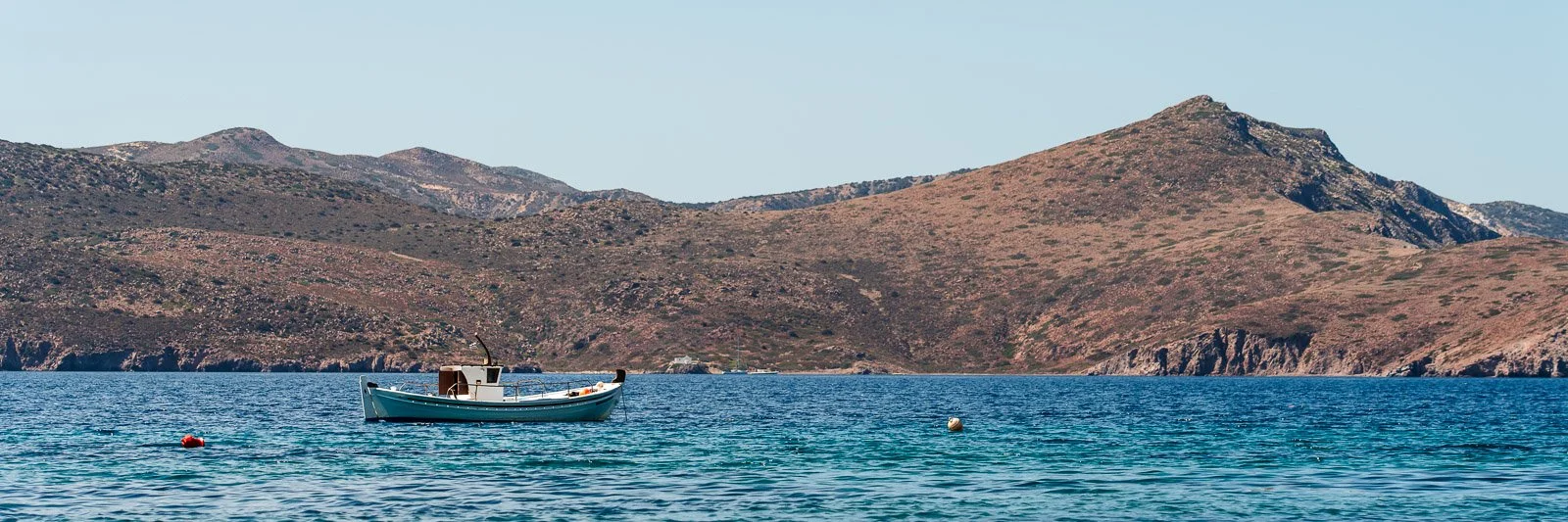
Island-hopping Across the Aegean
Exploring Crete’s Rugged Outdoors and Milos’ Relaxed Vibes Before Plunging into Athens’ Buzz
It’s no secret that Greece is one of the world’s most popular countries to visit. By no coincidence, it is also one of the sunniest countries in the world and boasts some of the world’s most idyllic beaches. It’s easy to see why Greek islands are the backdrop for some iconic pop culture moments, like those unforgettable scenes from Mamma Mia! – where the atmosphere is whimsical and carefree with just a touch of chaos. From the rugged mountains of Crete to the otherworldly beaches of Milos and the timeless ruins of Athens, every corner of Greece offers something unforgettable for everyone.
In this blog, we’ll take you through the highlights of Crete, Milos, and Athens – three destinations in one country that each have something unique to offer. Whether you’re visiting Greece for the first time or returning to explore these places, we’ll try to help you make the most of your Greek adventure. Before we delve into the details of our journey, here’s a brief overview to help you navigate this post and skip straight to the sections that catch your interest.
Overview
Itinerary | Planning | Recommendations | Conclusion | Links | Map
Itinerary
Crete: A Blend of Myth and Nature
We started our trip by visiting Crete, the largest of the Greek islands. We chose to visit Crete because the island offers a diverse range of experiences, from ancient ruins to rugged mountains and many beautiful beaches. While it's easy to fall in love with its towns, villages, and resorts, one of the best ways to fully immerse yourself in the island's diversity is by hitting the road – and we decided to do it in style with a Suzuki Jimny and a roof tent. Renting a compact 4WD like the Suzuki Jimny gave us the freedom to explore Crete's rougher terrains, while the roof tent offered us a unique way to experience the island with no hotel reservations determining our itinerary. Here’s how our road trip adventure through Crete unfolded:
We flew into Heraklion airport and grabbed a taxi to pick up our rental from Lucid Dreams. From there, we had planned to drive to Chania and hike Samaria Gorge the following day, but our plans fell flat when the gorge was closed for the week due to poor weather. While we were initially disappointed, we quickly realized that the beauty of traveling with a roof tent and the flexibility of camping meant that we could simply create a new plan for our adventures. So, we headed south towards Matala Camping without a concrete plan. We stayed one night there, which is basically just a gravel parking lot with toilets, but it was close, and we departed Heraklion quite late.
The next morning, we headed west towards Preveli Palm Forest, but first we stopped for a quick swim at Kommos Beach before leaving the area. Kommos Beach is a hidden gem tucked away just a short drive from Matala, often overlooked by tourists. The beach is also close to the Kommos Archaeological Site, where you can find ancient ruins and remnants of the Minoan civilization, adding a touch of history to an otherwise tranquil spot. And like nearly all places in Greece, you can also find food and coffee.
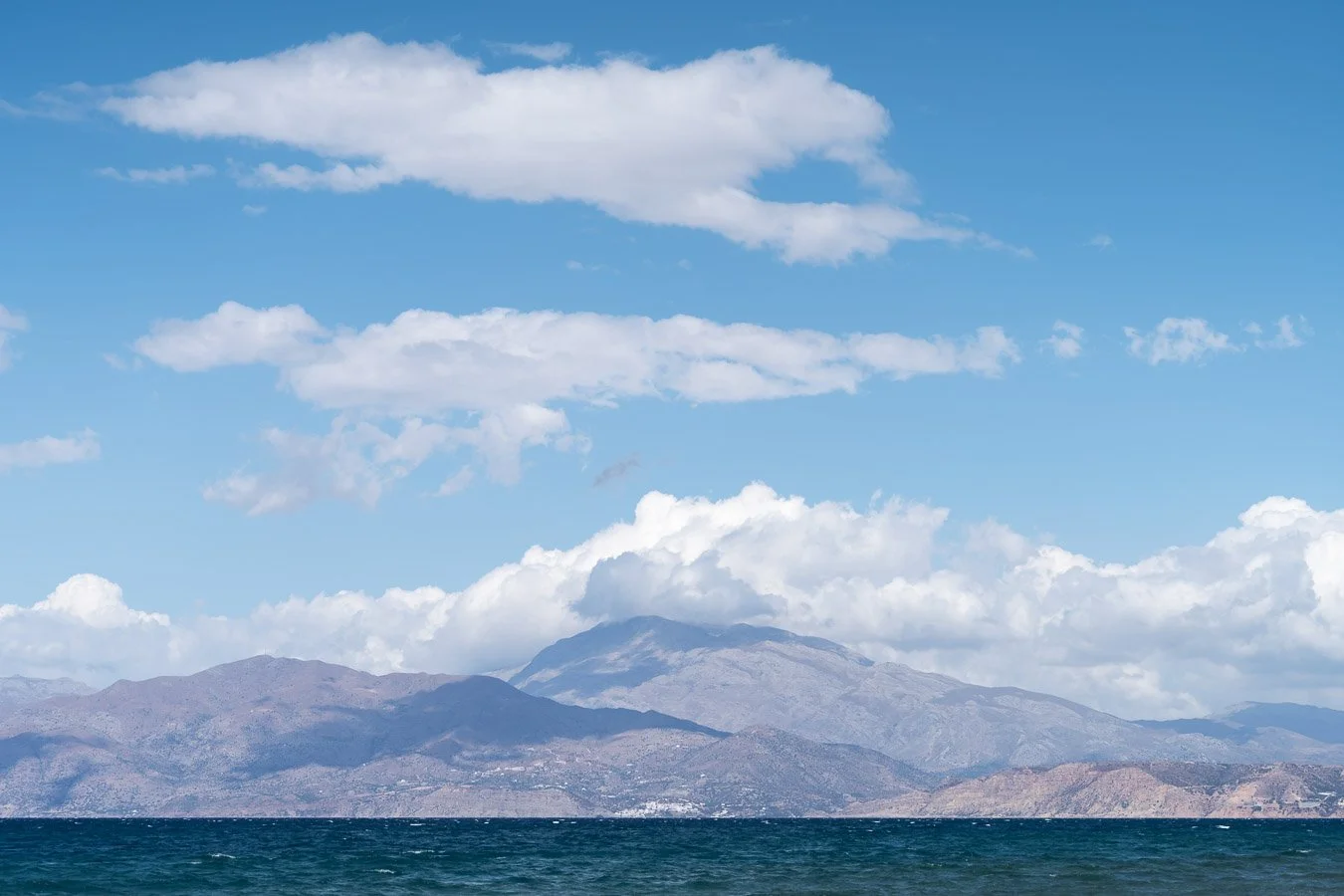
View from Komos Beach of the distant mountains, showcasing the mountainous landscape of Crete.

On the way to Plakias, you’ll pass the Kourtaliotiko Gorge — another stunning and scenic gorge well worth exploring.
Afterwards, we continued to Camping Apollonia in Plakias, which is a well-equipped campsite located just a short drive from Preveli. The campsite is nestled in a scenic area, surrounded by trees and close to the beach and many restaurants, making it an ideal base for exploring Crete’s southern coast.
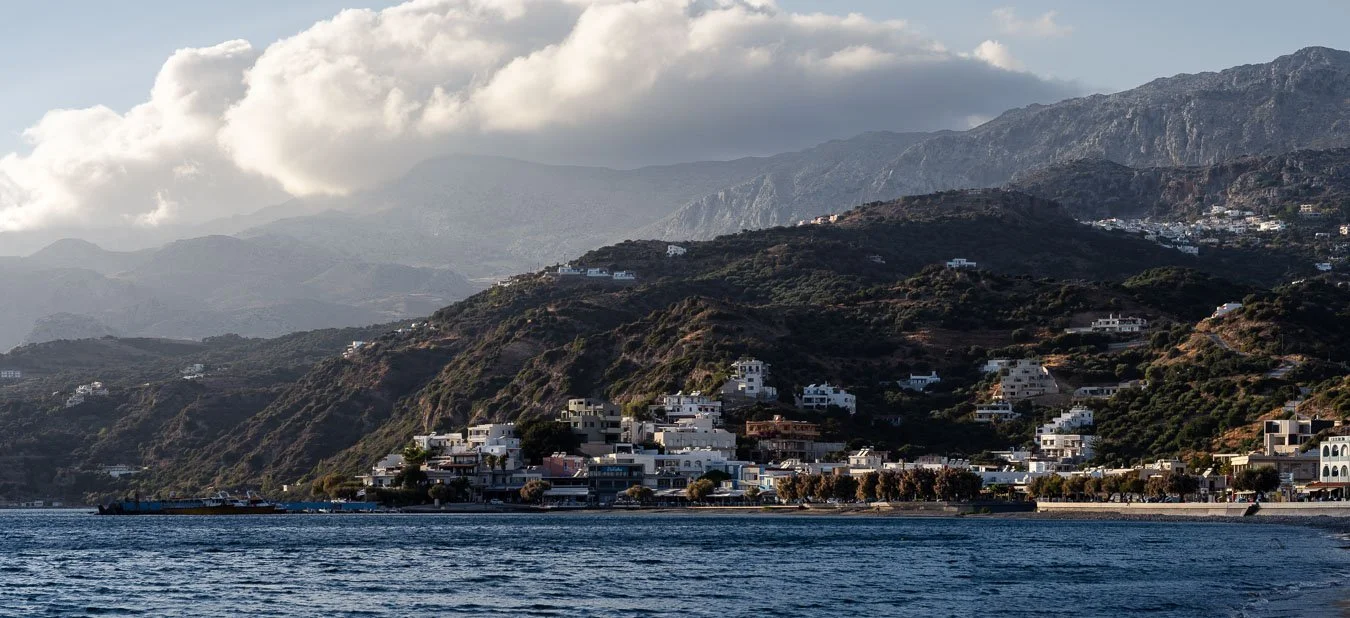
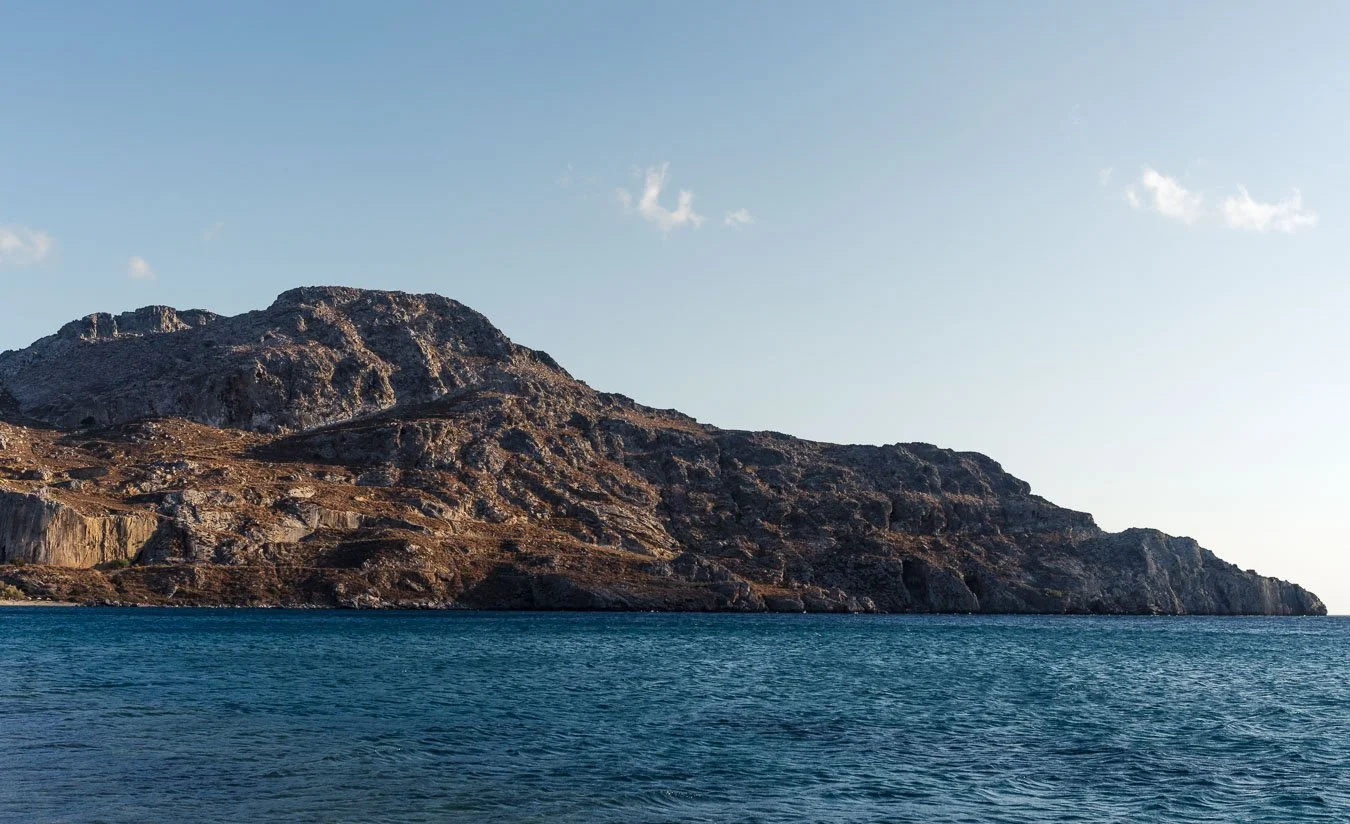
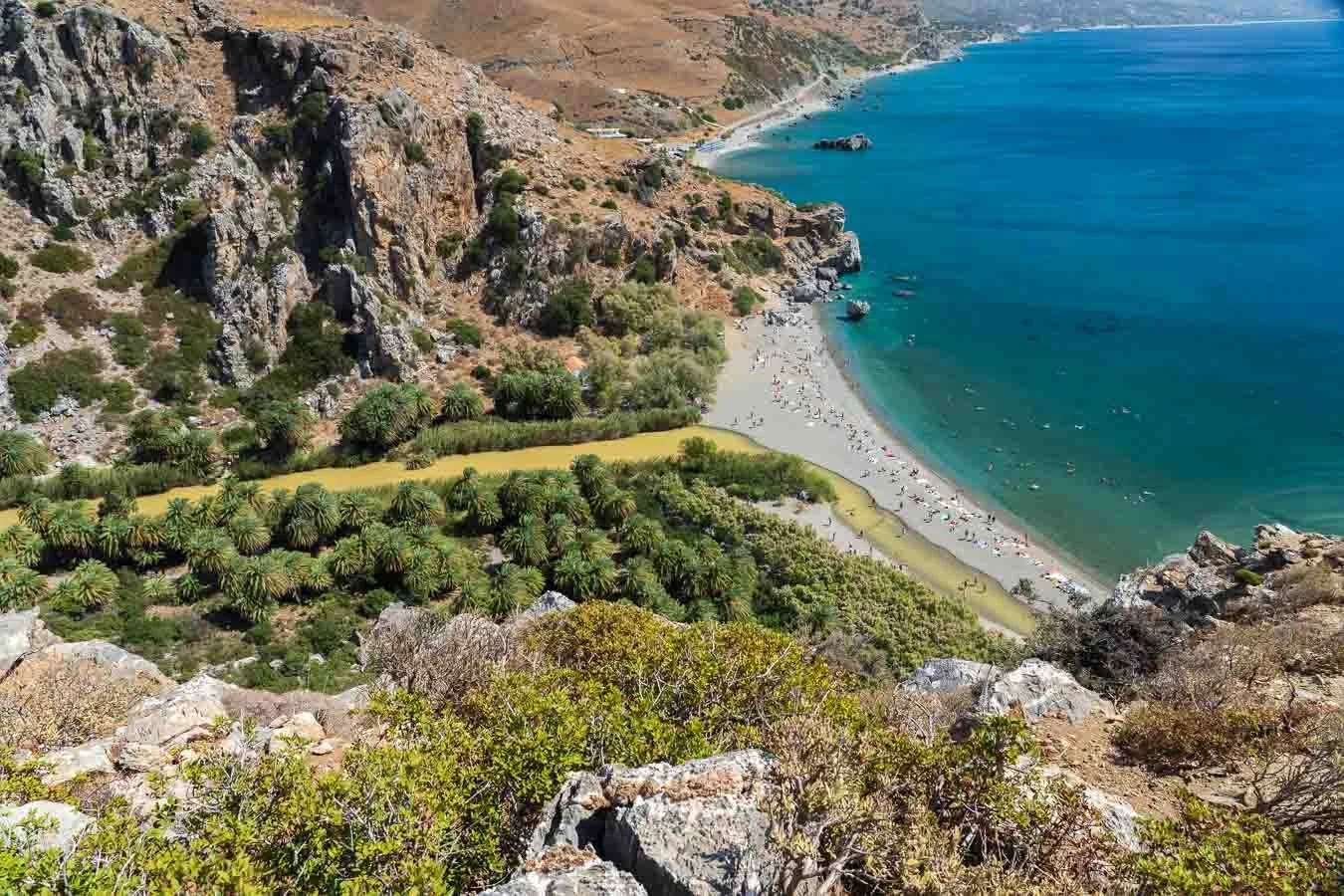
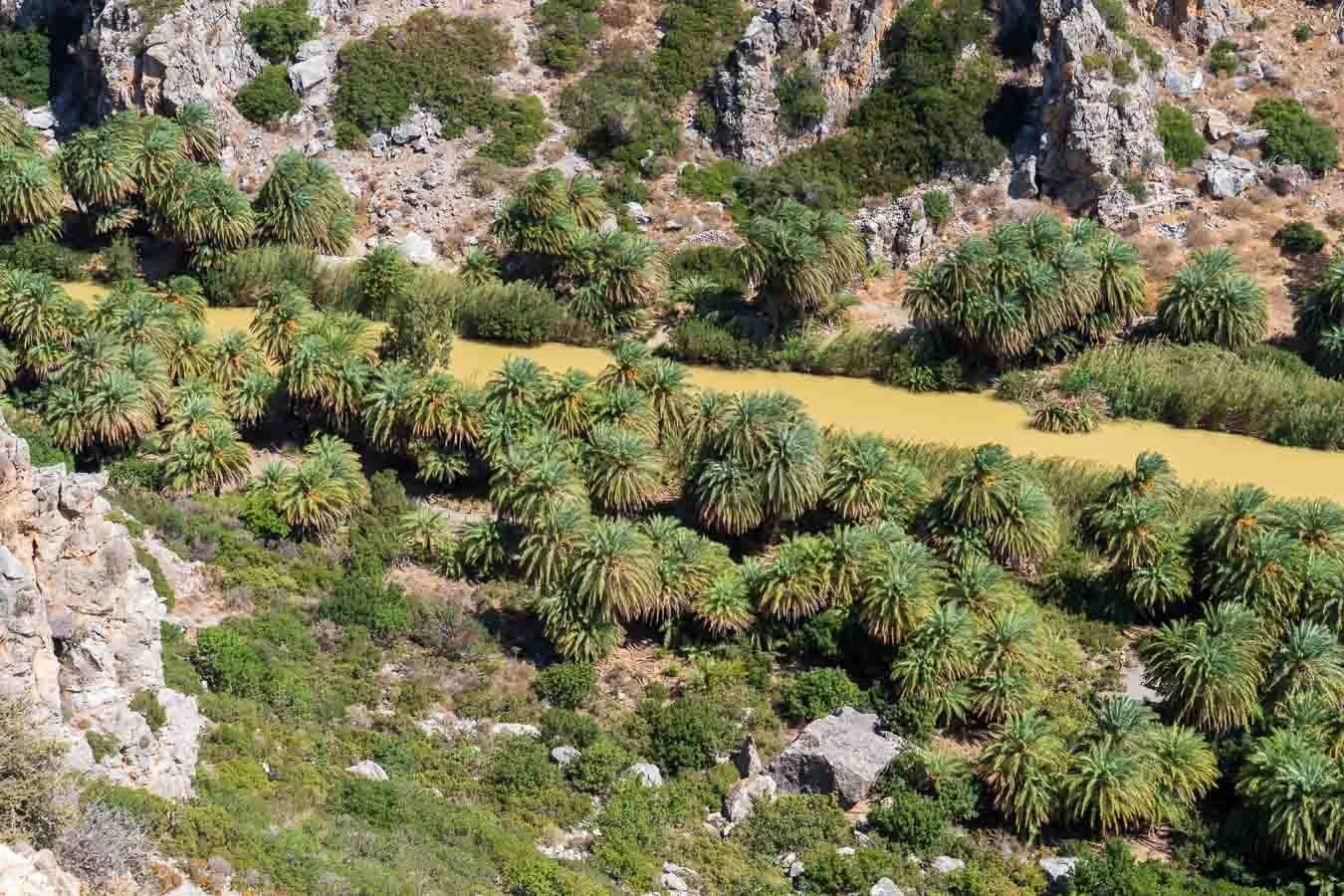
We started the next day with a short drive to explore the Preveli Palm Forest. The forest itself is one of Crete's most unique natural features, with lush palms growing along the banks of the Megalos Potamos River and reaching all the way to the sea. It’s a beautiful place, with the combination of freshwater, palm trees, and sea making it feel a bit like a hidden paradise. However, like most destinations in Greece, this place is no secret to visitors and is often crowded even in the shoulder seasons. There is just one main road so the only choice you need to make is which side of the gorge to start your hike from. We chose to hike down the west side, which is considered more difficult than entering from the east because of the elevation. The hike down is quite steep with many stairs but is also more scenic and gives you a bird’s eye view of the palm forest below. If you opt for this hike, then just keep driving straight until you reach the parking area. If you want to enter from the east side, which is less of a climb, then look for Epar.Od-Drimiskou-Asomaton Road and the Old Stone Preveli Bridge.
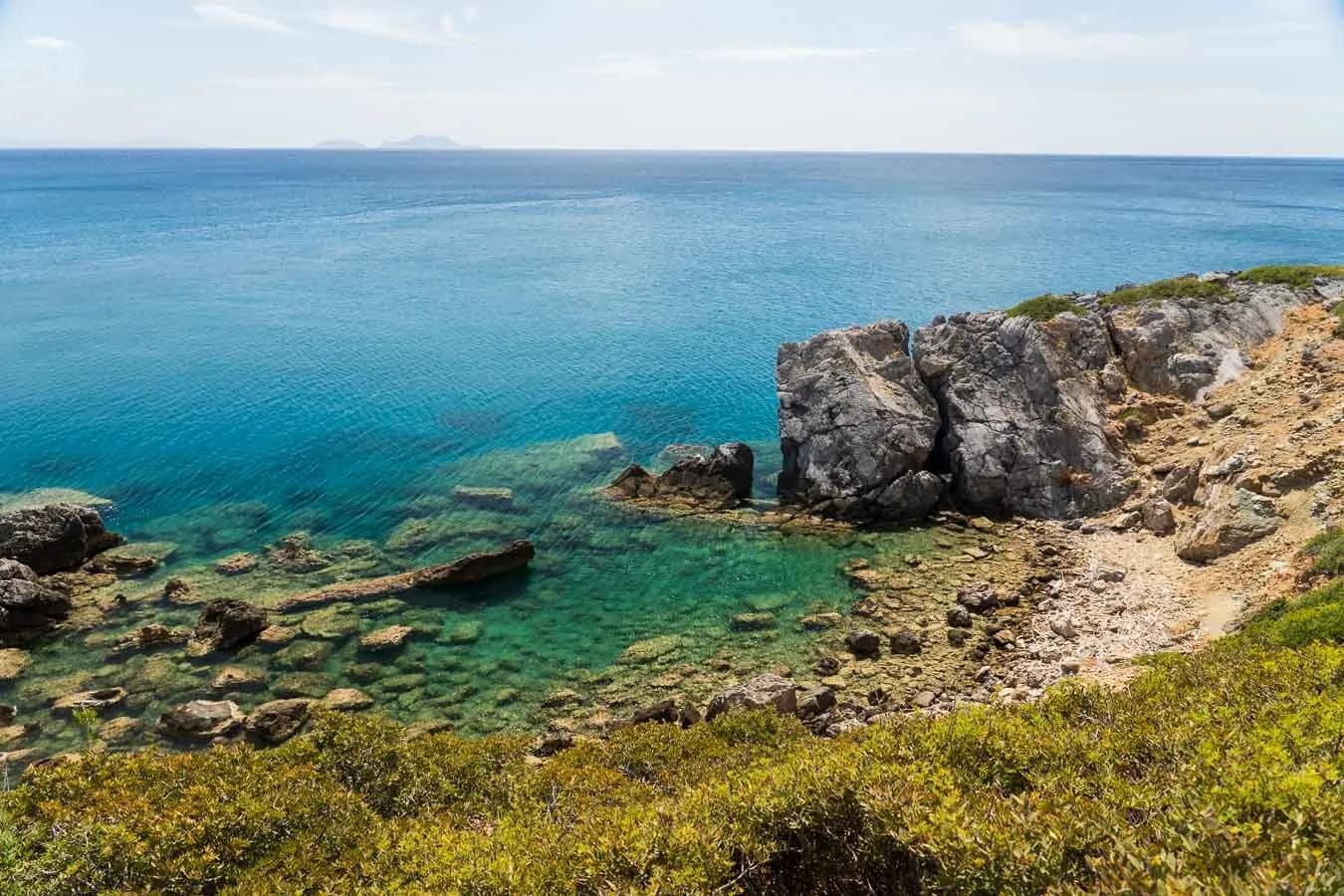
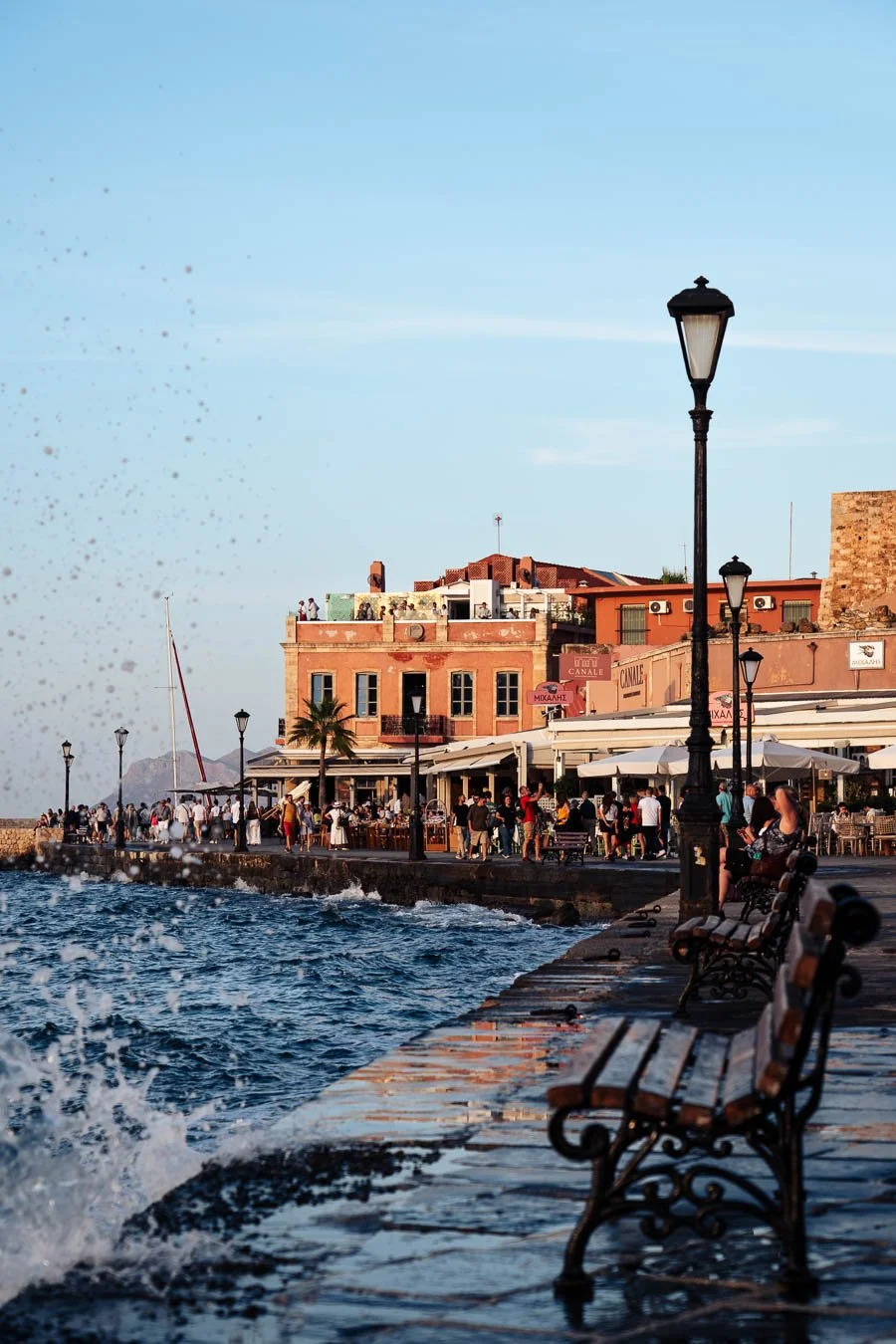
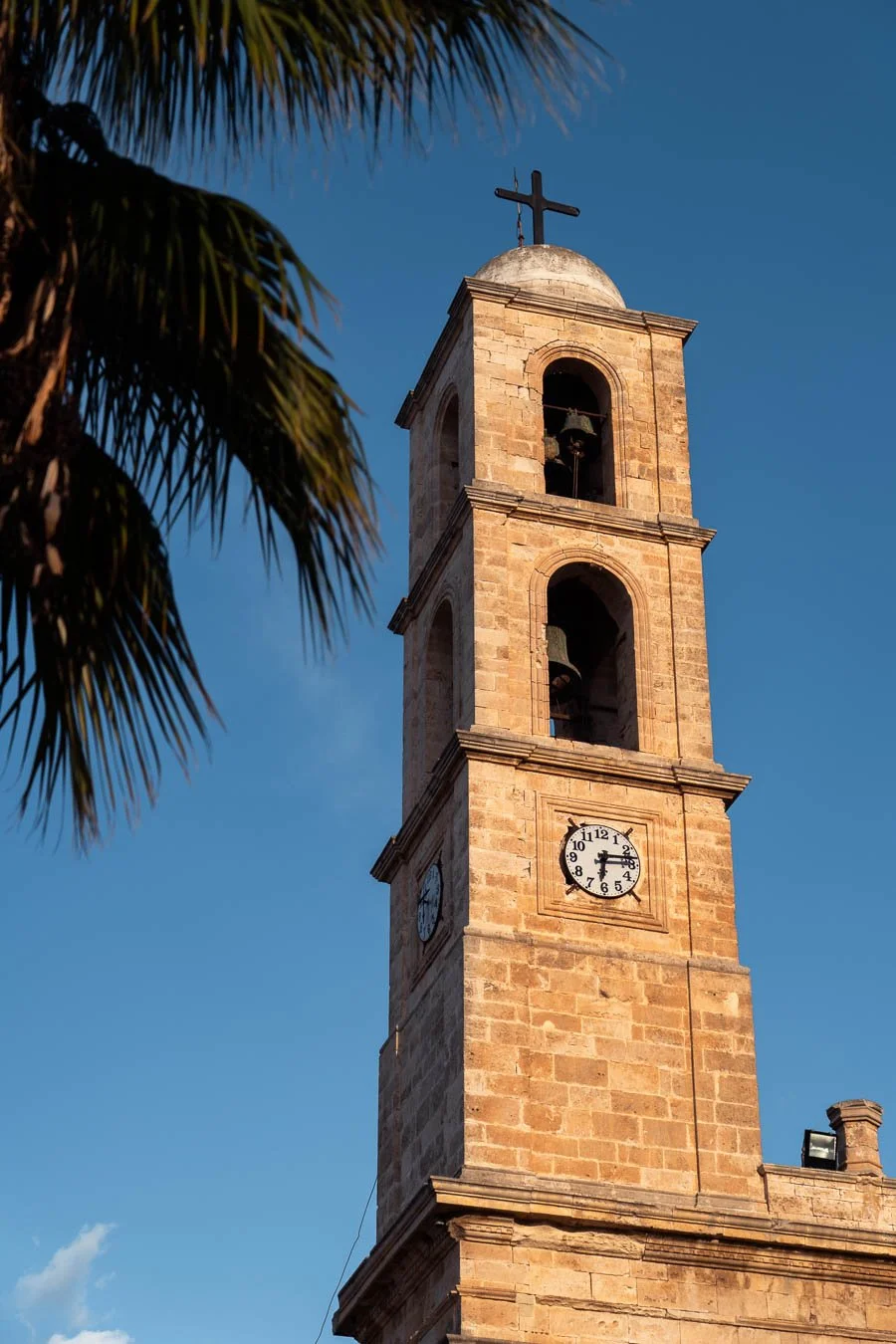
After exploring around Preveli for a bit, we headed north towards Chania. Once we arrived, we decided to set up our next base at Camping Chania, which is a convenient campsite located just outside the city. This campsite has everything you could need, including lots of friendly stray cats, one of which we should have taken home. Our intial plan was to stay here for at least one night, giving us the chance to explore the Venetian Harbor, the Old Town, and any other nearby attractions – all while having a comfortable campsite to return to at the end of the day.
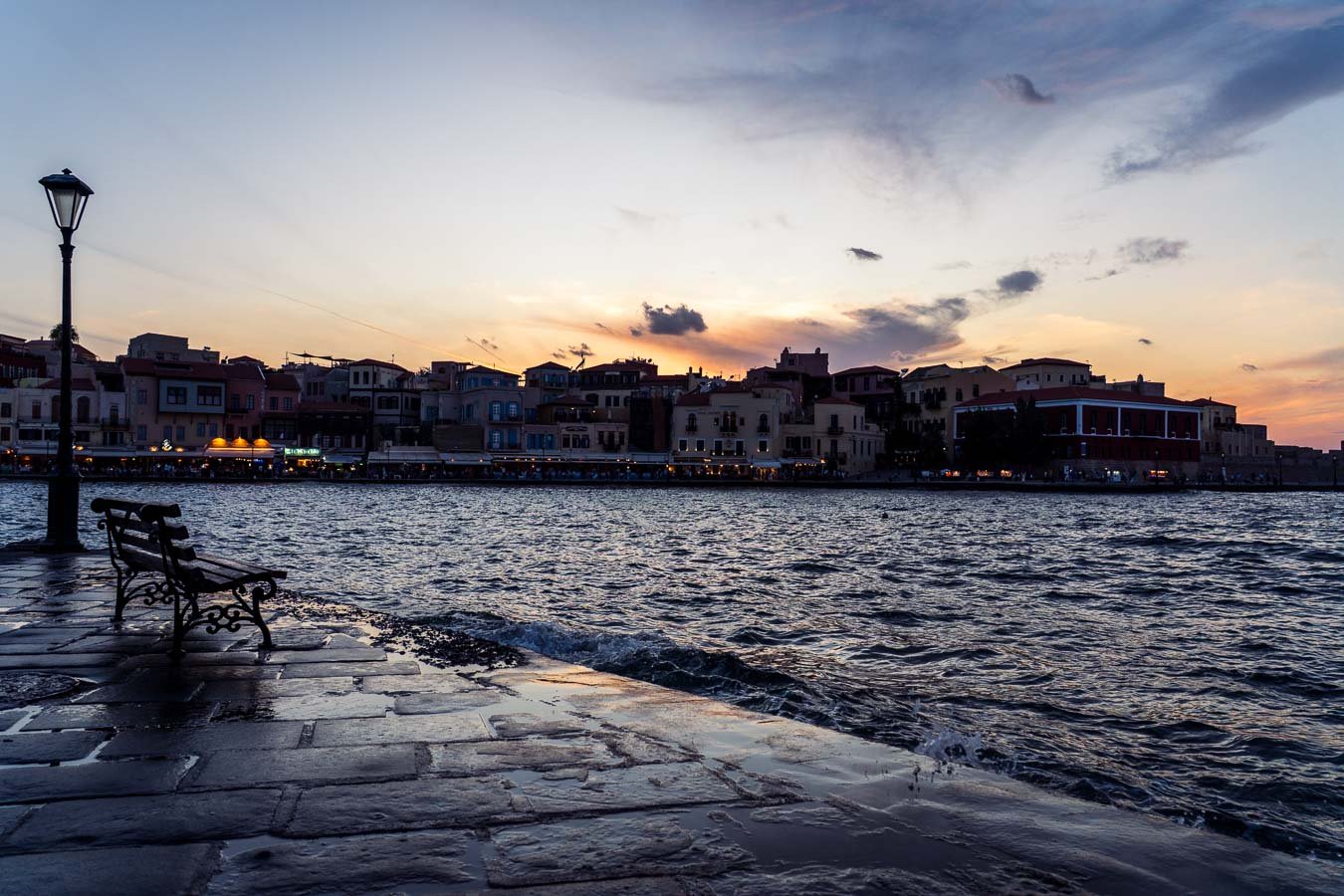
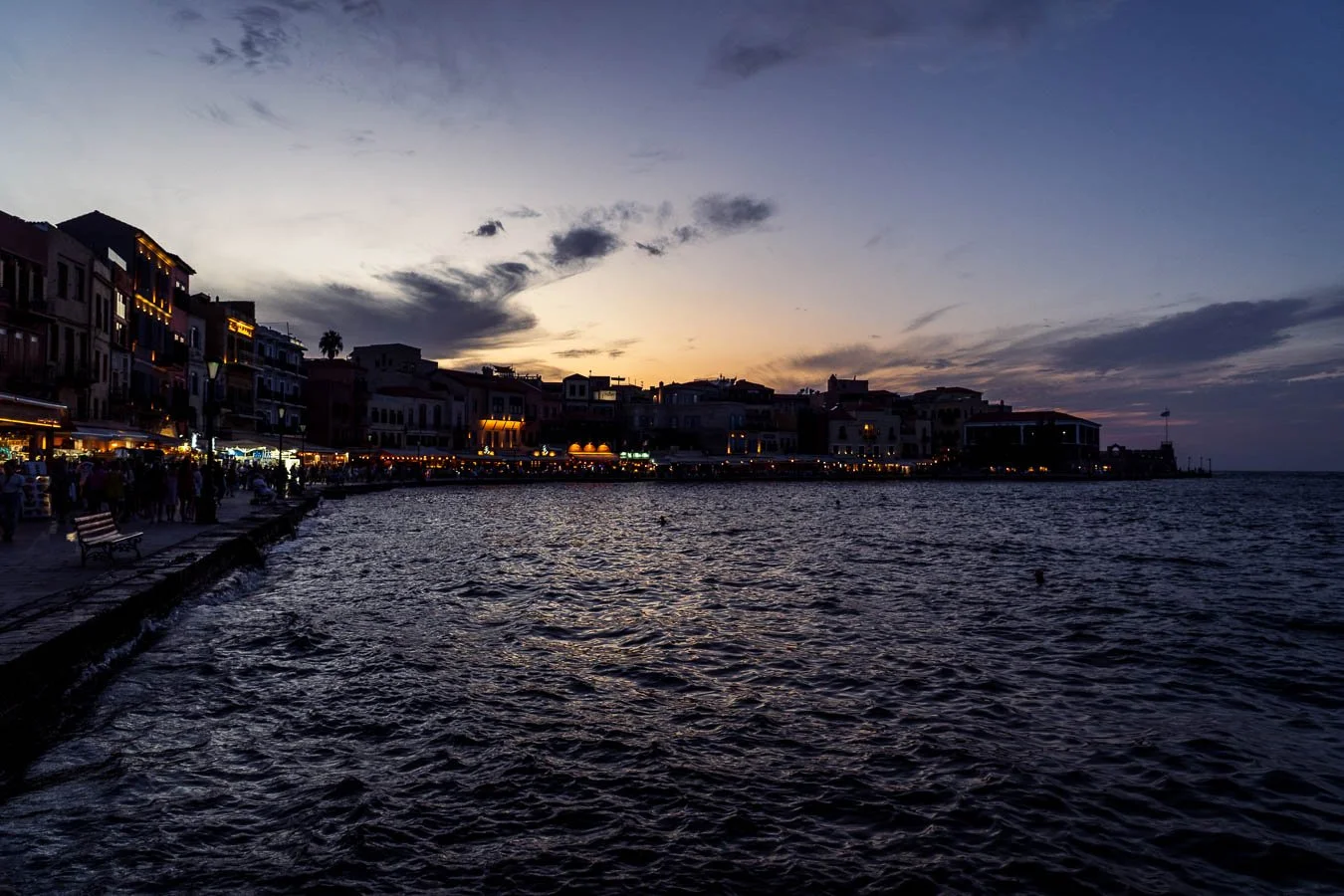
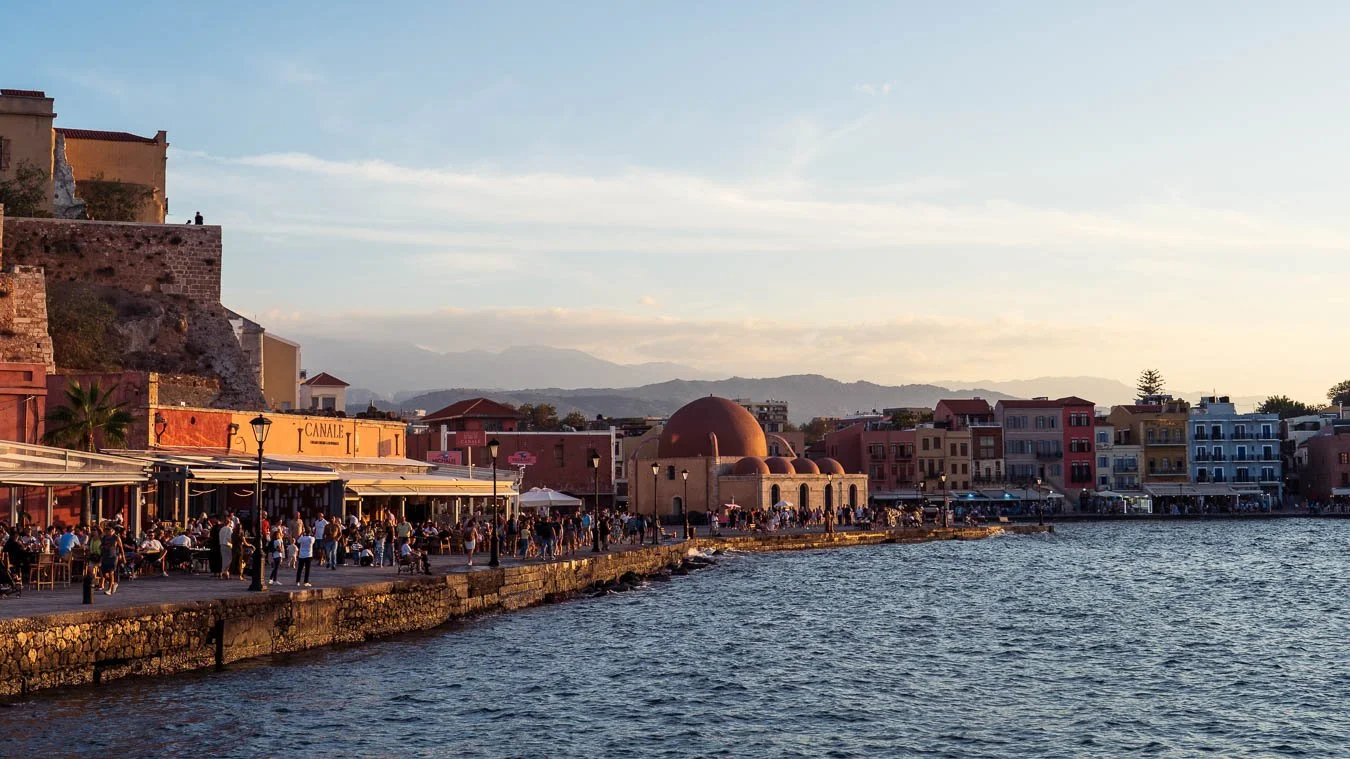
After we got settled into the campsite, we decided to catch the local bus to explore the city and try to catch sunset at the harbor in the Old Town. Chania's Old Town is a maze of narrow streets and alleys, and the harbor is lined with restaurants, cafes, and historic buildings, making it a great place to stop for a bite to eat or a drink. The lighthouse at the harbor dates to the Venetian period and offers incredible views of the surrounding coast.
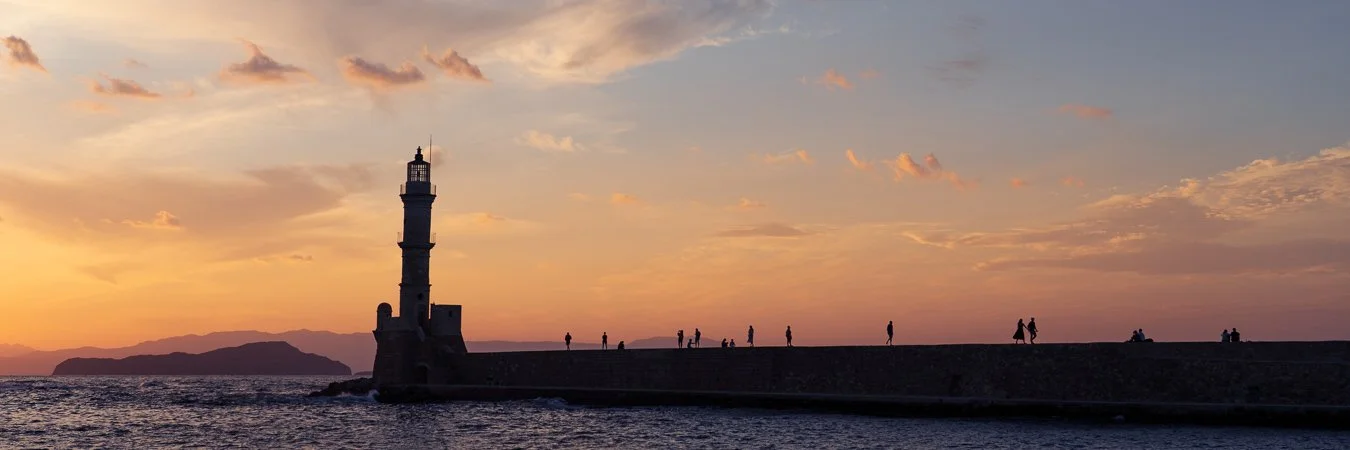
Watching the sunset from the pier, with a view of the Chania Lighthouse and the distant layers of mountains in the background, is a beautiful experience.
The harbor is particularly stunning at sunset, when the sky is painted with shades of orange and the lights on the buildings reflect off the water. We spent a few hours here taking too many photos and taking in the sunset before heading back into the Old Town for a late dinner at Tamam. Tamam is one of the most highly rated restaurants in Chania and we found that is for good reason – the food was lovely, which made for a perfect ending to our first night in Chania.
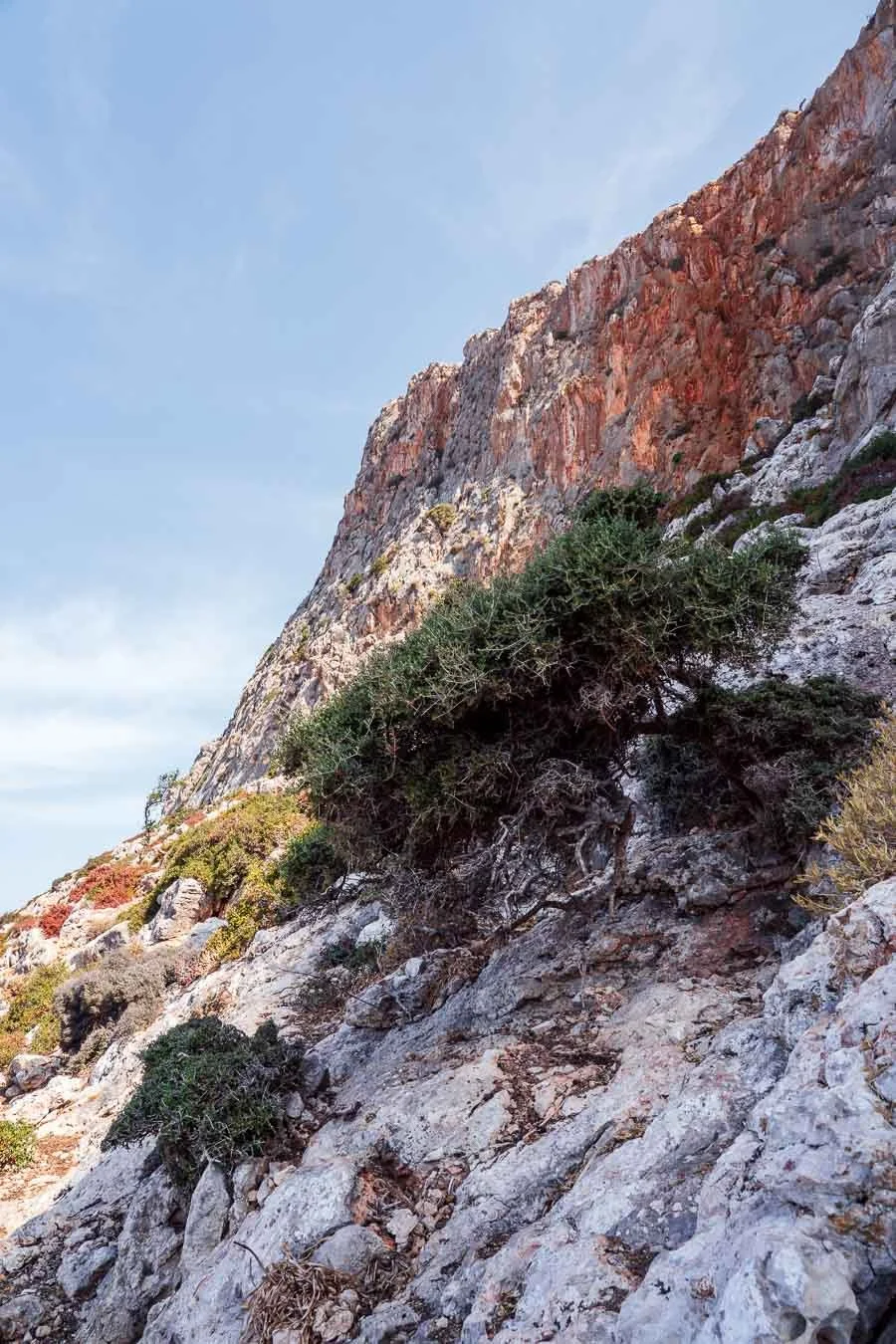
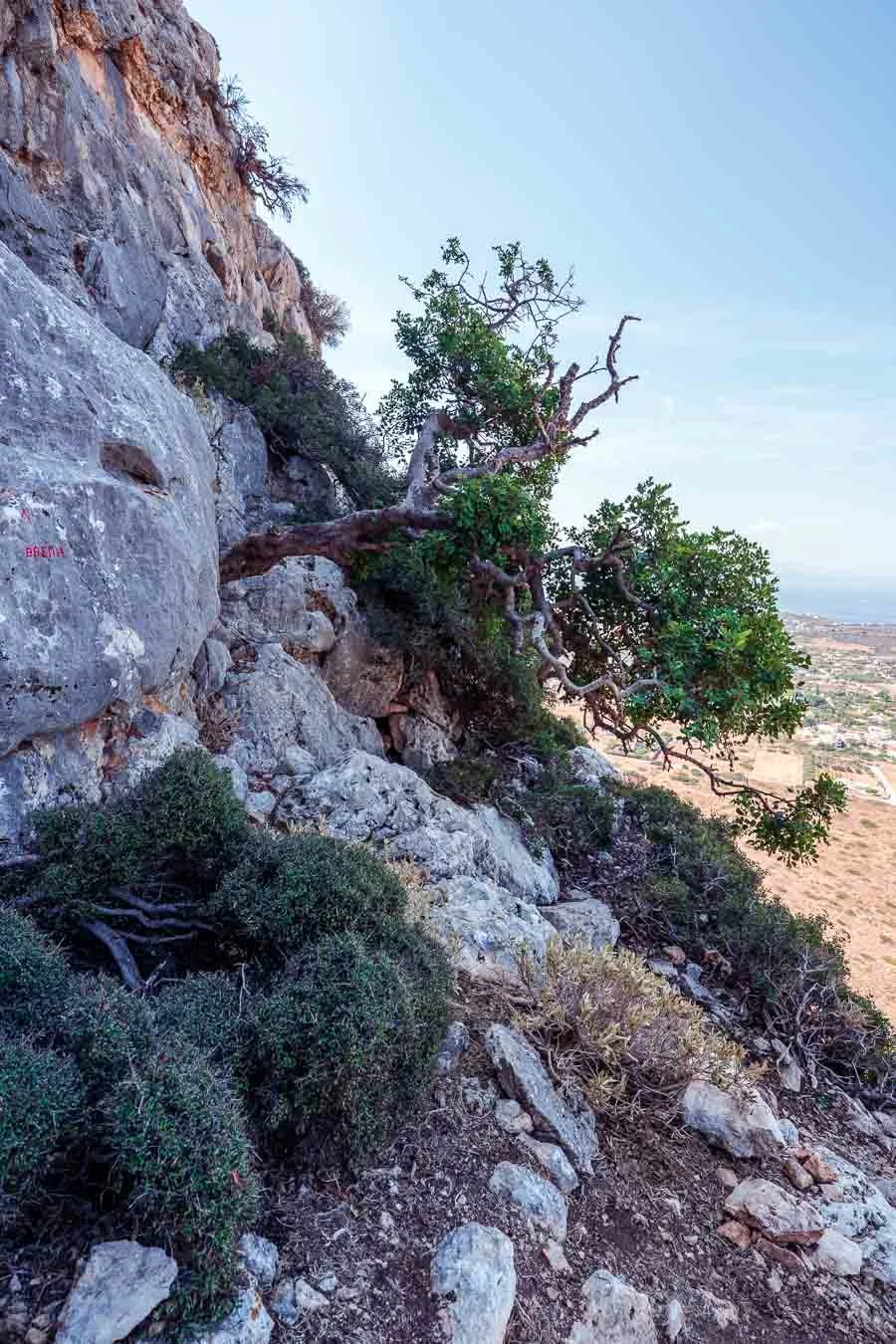
The next morning, we decided to make the short drive from Camping Chania to Stavros for some hiking. We initially intended to hike Katholiko Gorge, but after taking the wrong path from the parking area we ended up on a short hike up to Cave Lera instead. While short, this is a steep vertical climb without much shade, so be prepared with sunscreen and plenty of water. The hike to the cave takes less than an hour, depending on your fitness level. From the viewpoint you'll enjoy a beautiful view overlooking the village of Stavros and the Mediterranean Sea. After the short trek back down to our car we decided to grab a coffee and take a swim at Stavros beach just below the cave viewpoint.
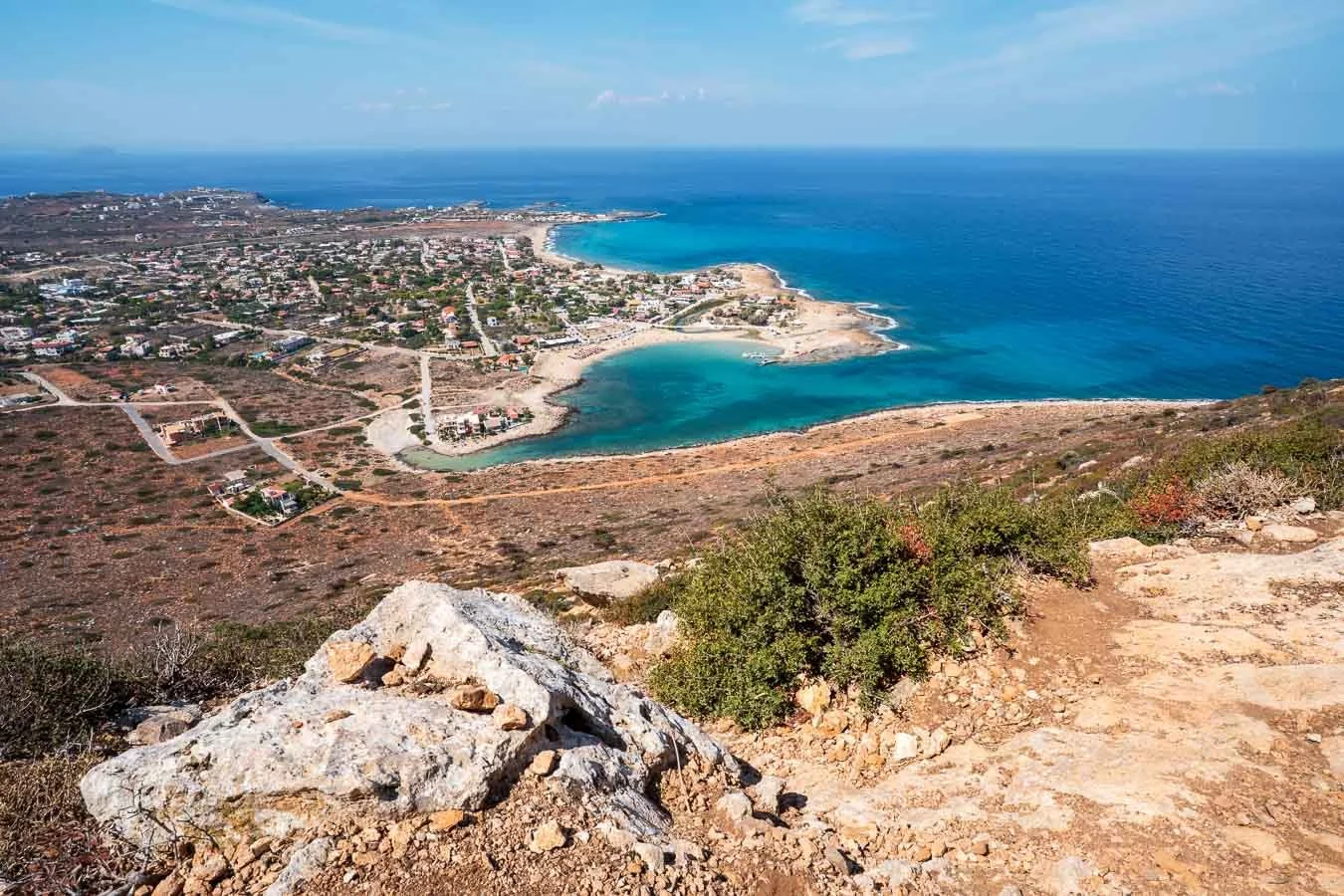
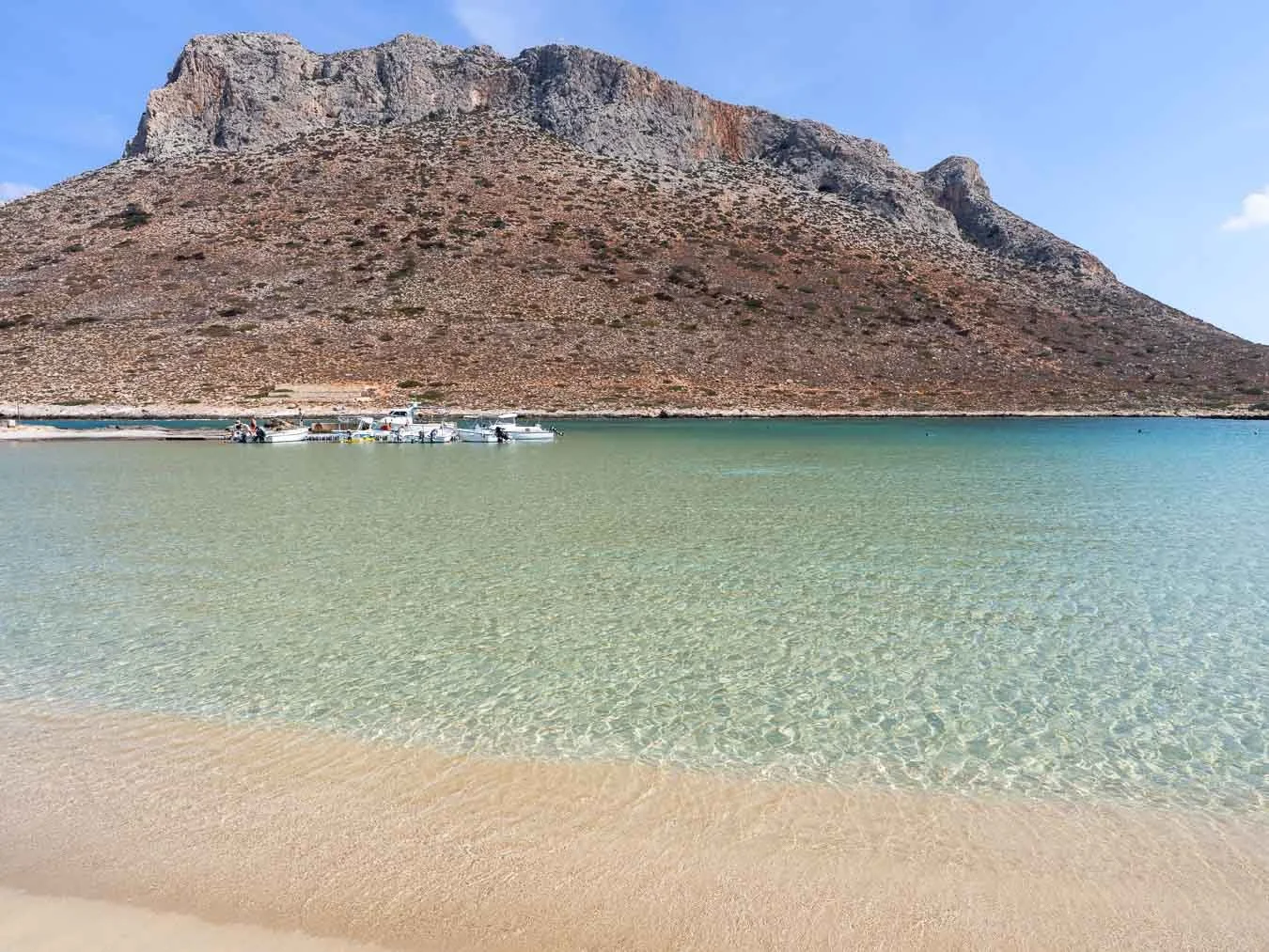
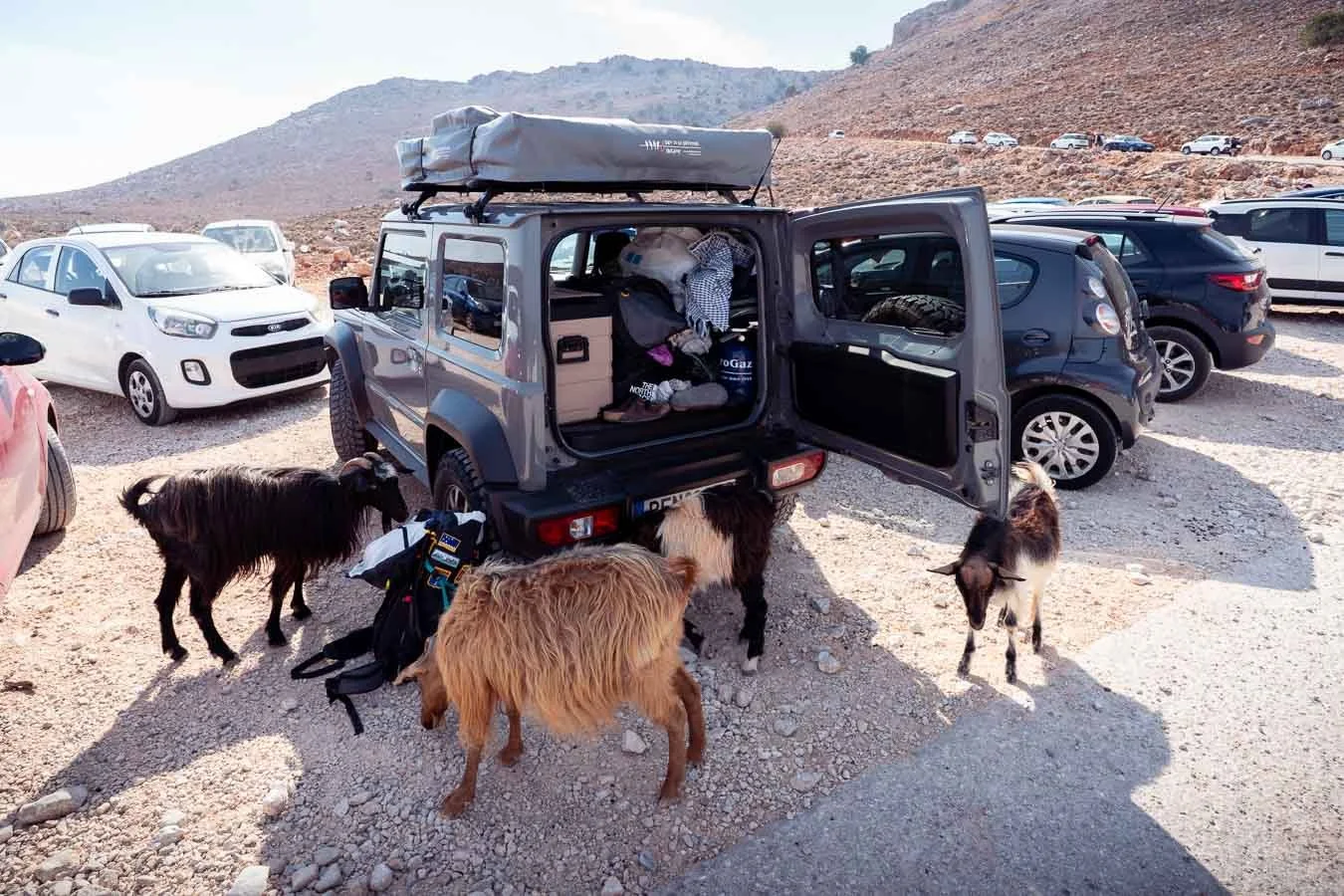
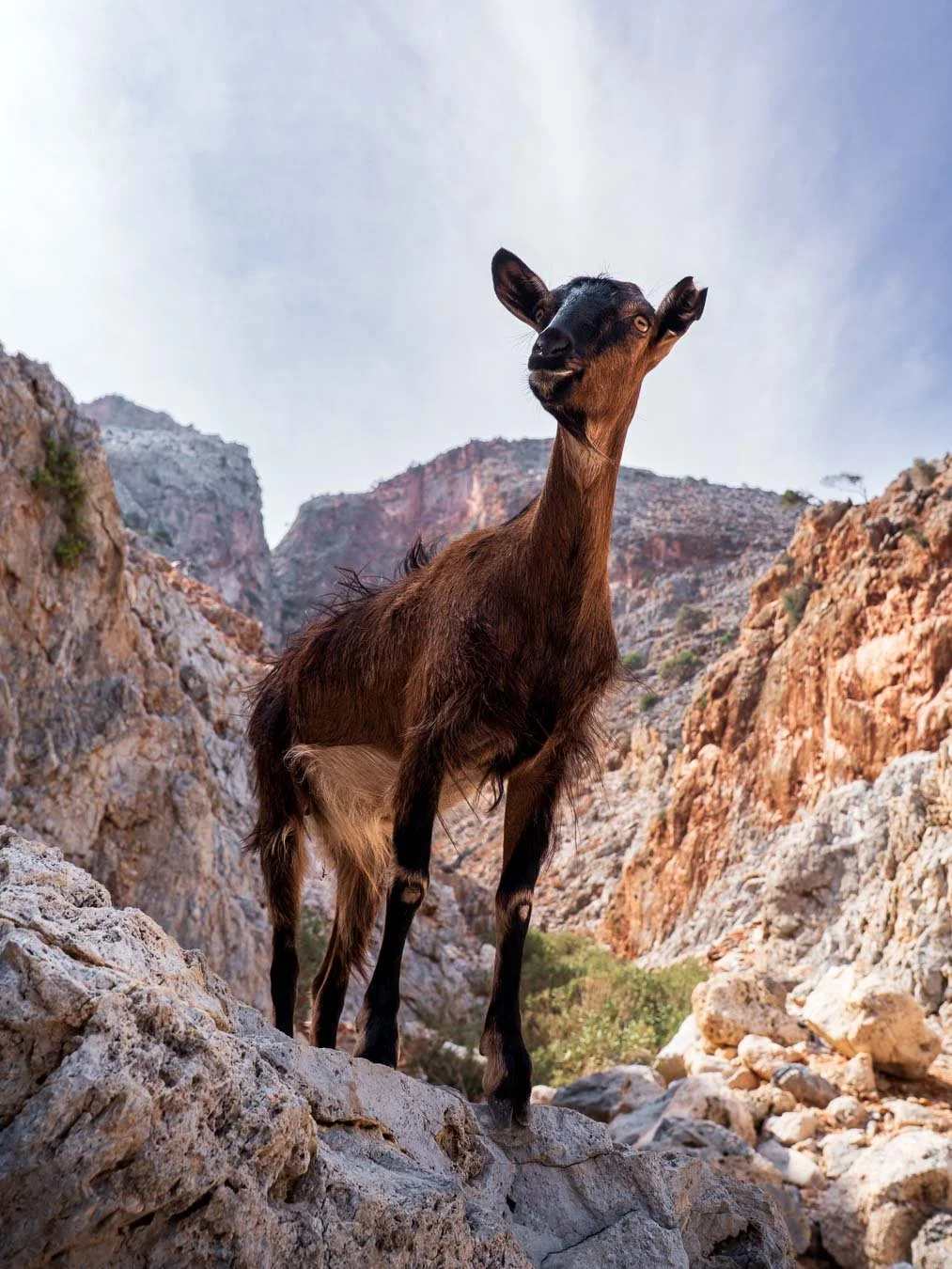
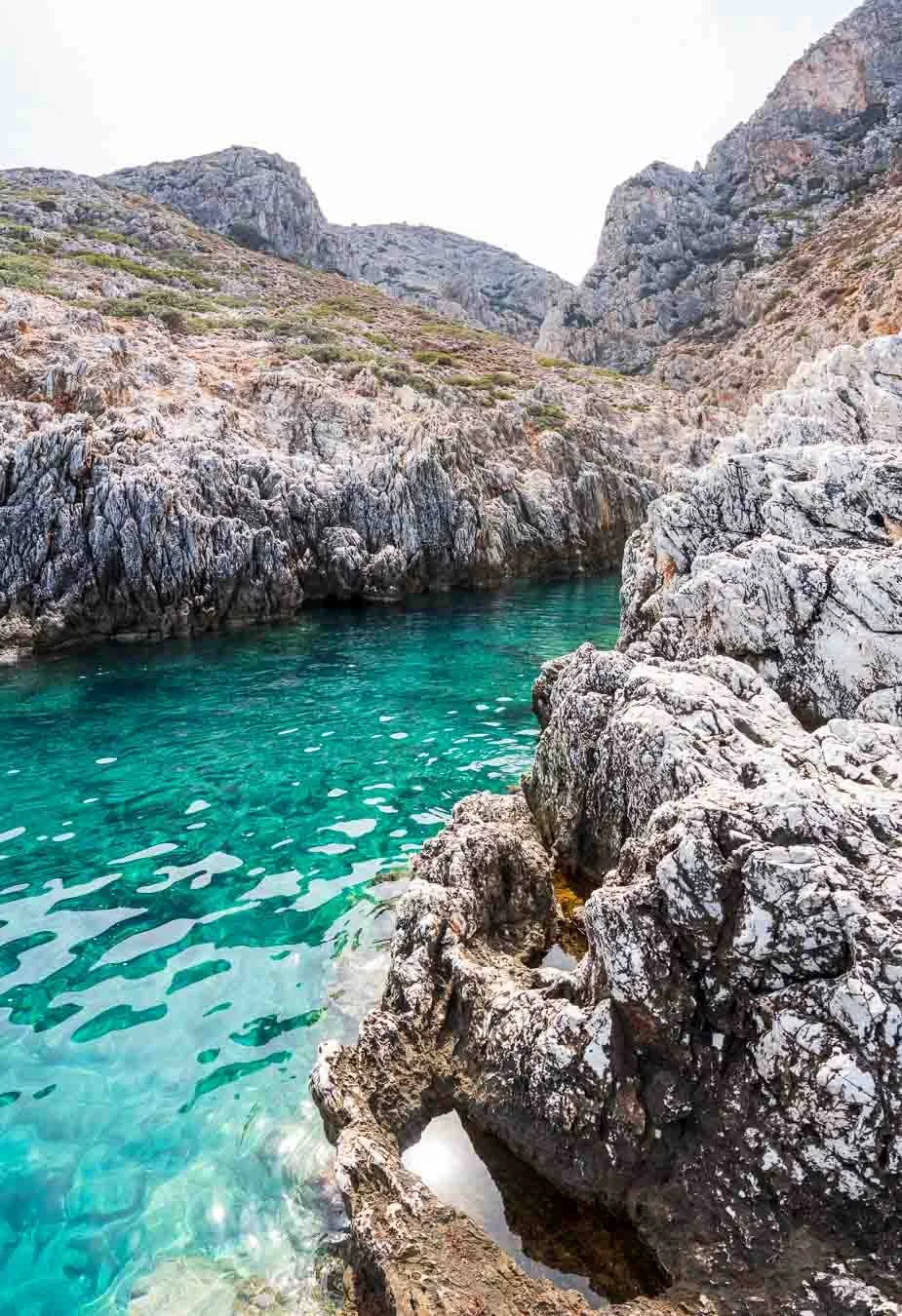
Since our long trek accidentally turned into a short one, we decided to go check out Limania Beach, which was recommended to us by a local at the campground. Just a short 30-minute drive from Stavros, Limania is a small but stunning beach located on the northwestern coast of Crete, nestled in a secluded cove surrounded by steep cliffs. It’s a beach that promises crystal-clear waters, dramatic natural beauty, and usually – crowds. The drive from Stavros to Limania Beach offers great views of the Aegean Sea, with rocky hillsides plunging into the deep blue waters below. As you near the parking area, the road becomes narrow, curvy, and quite steep so be prepared to maneuver the switchbacks. You should also be prepared to be greeted by hungry goats in the parking area.
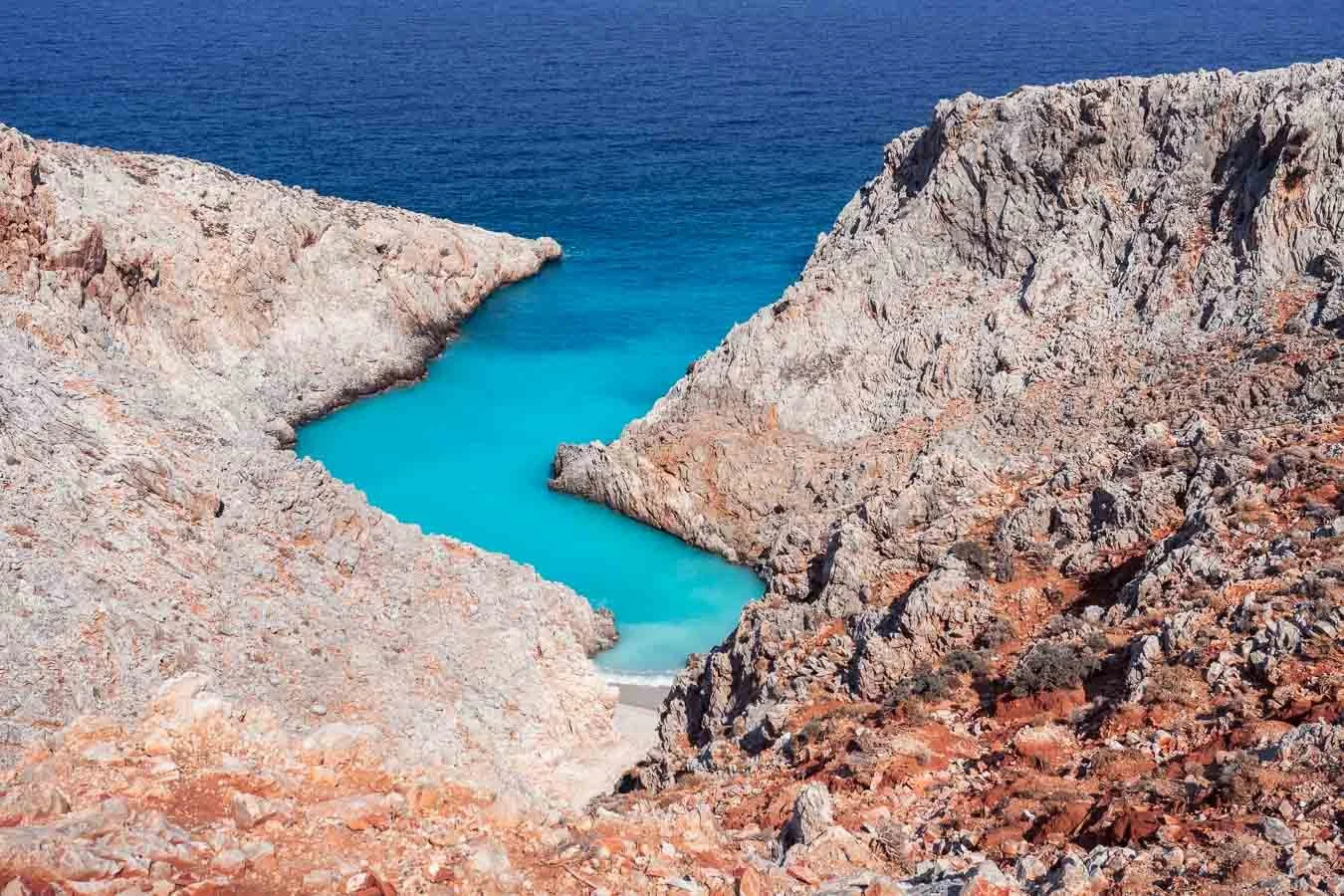
The hike down to the beach is short but quite steep and the beach itself is small, but the setting is beautiful. The white rock contrasts beautifully with the deep turquoise waters and the towering cliffs that surround the beach give it a feeling of seclusion. Limania Beach is a must-see on Crete, but we would advise trying to arrive at Limania early to avoid the crowds and truly feel a sense of solitude.
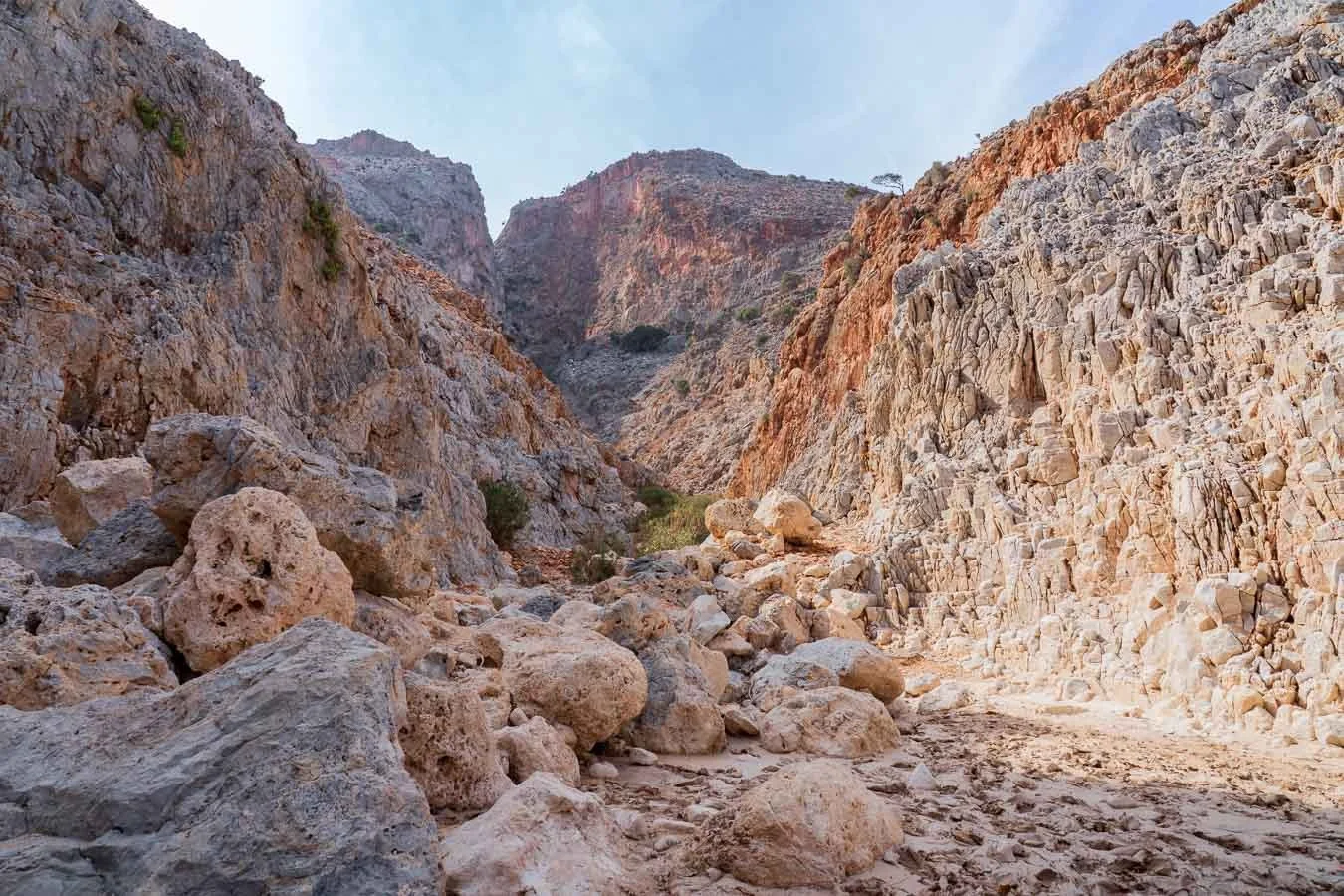
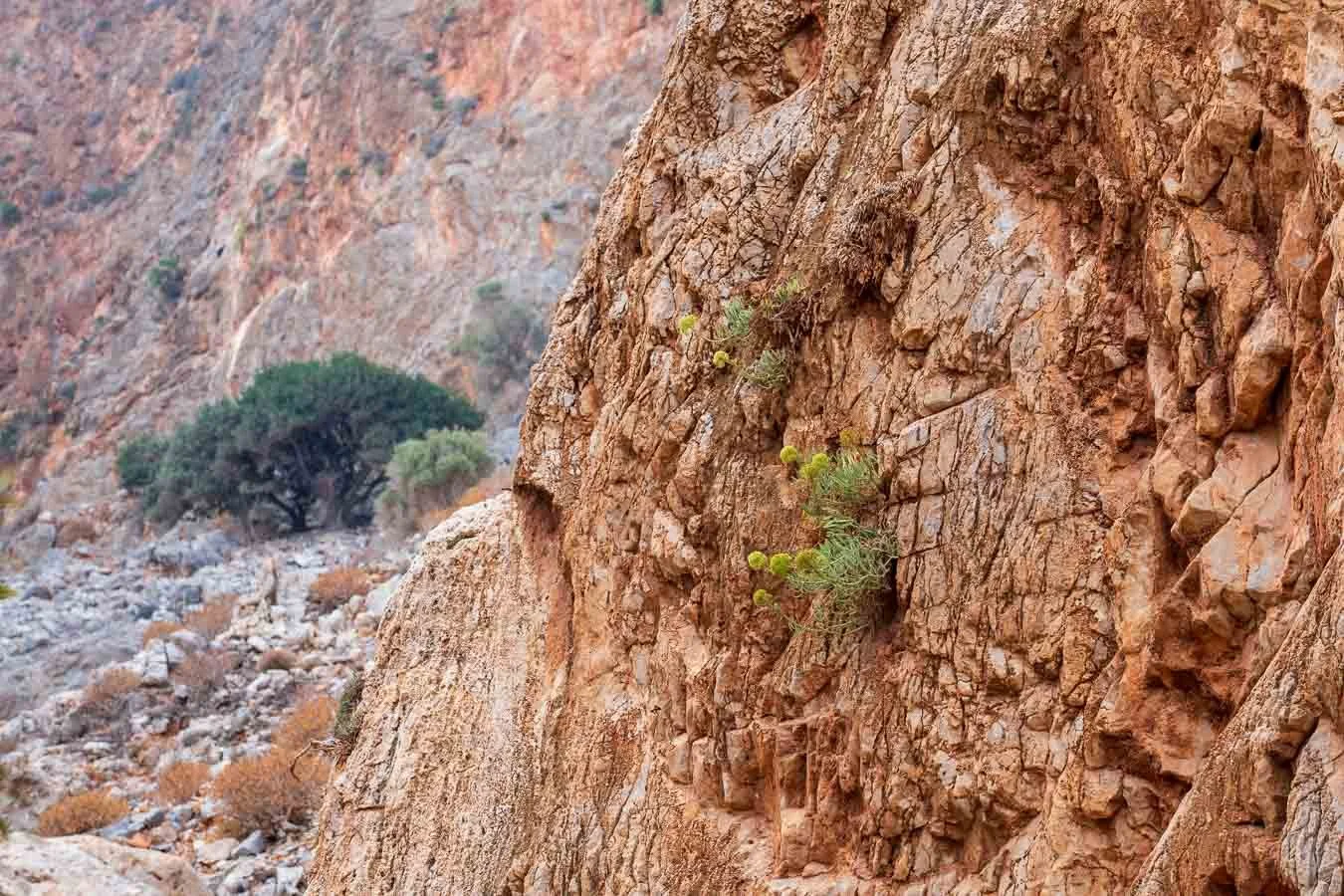
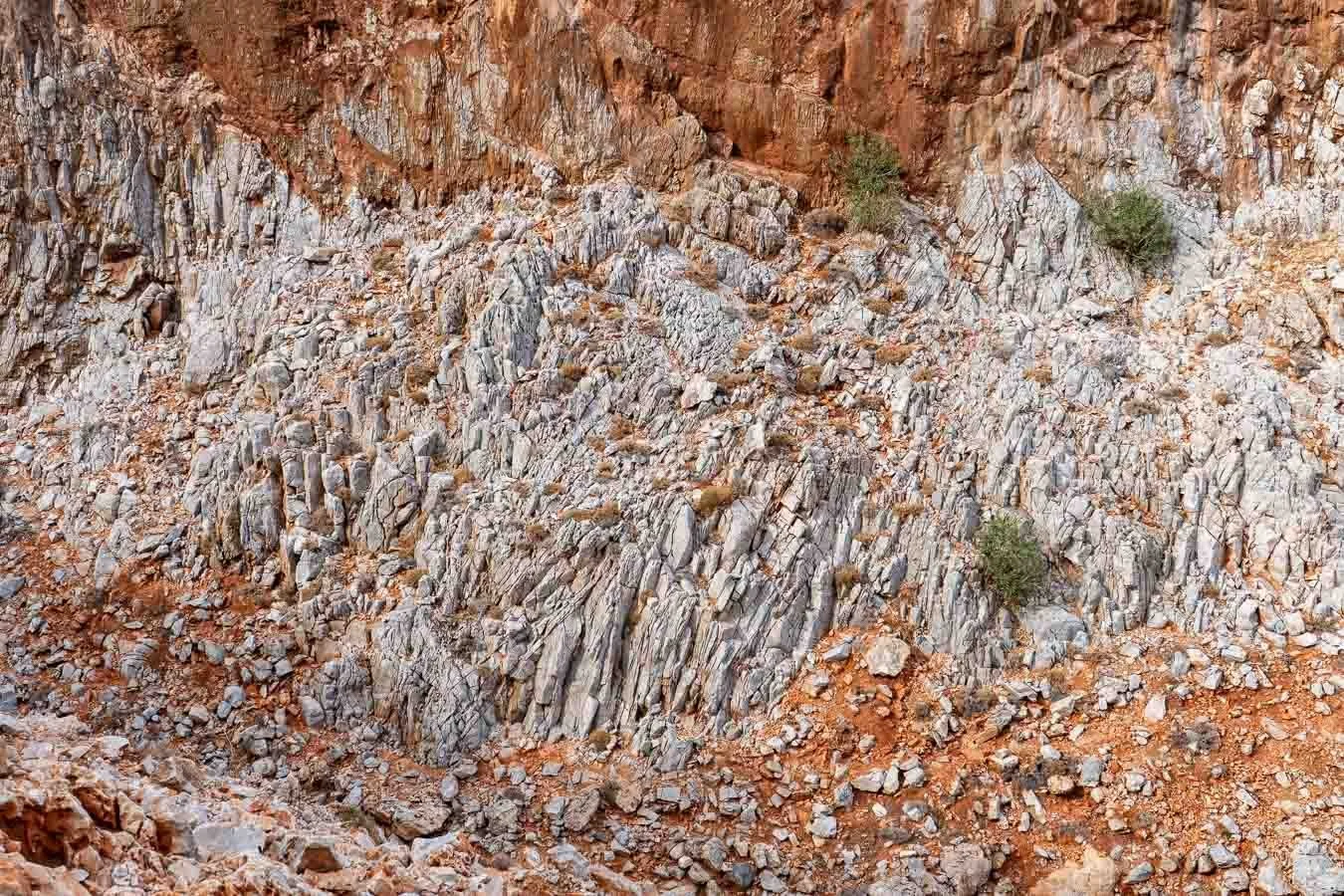
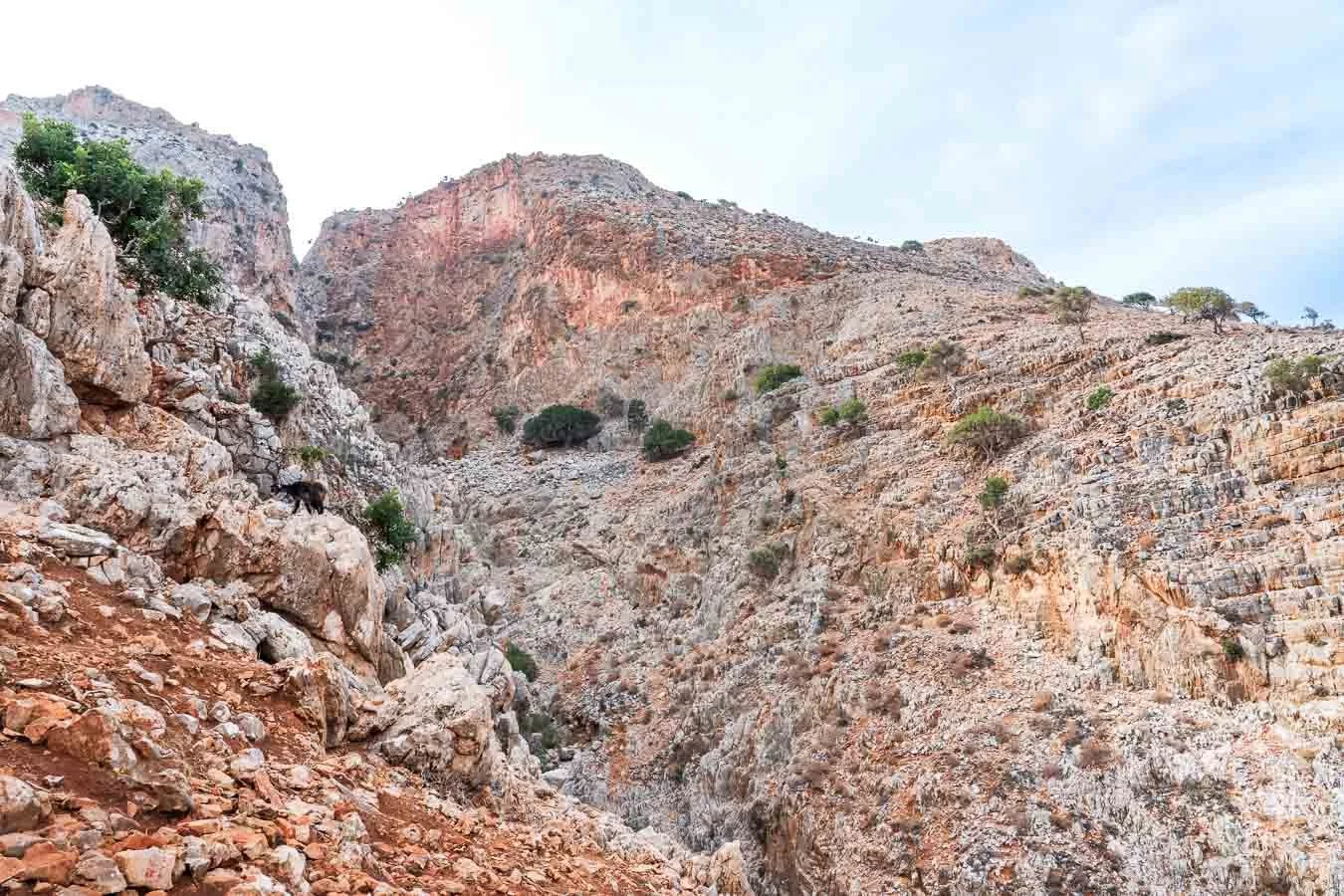


We headed back for another night at Camping Chania so we could attempt the Kathaliko Gorge hike (again) the next day. The next morning, after a short drive back to Stavros, we managed to find the correct trailhead. The path isn’t well-marked, and there are a few alternative trails that can throw you off course if you’re not paying attention so it’s a good idea to have trail maps downloaded.
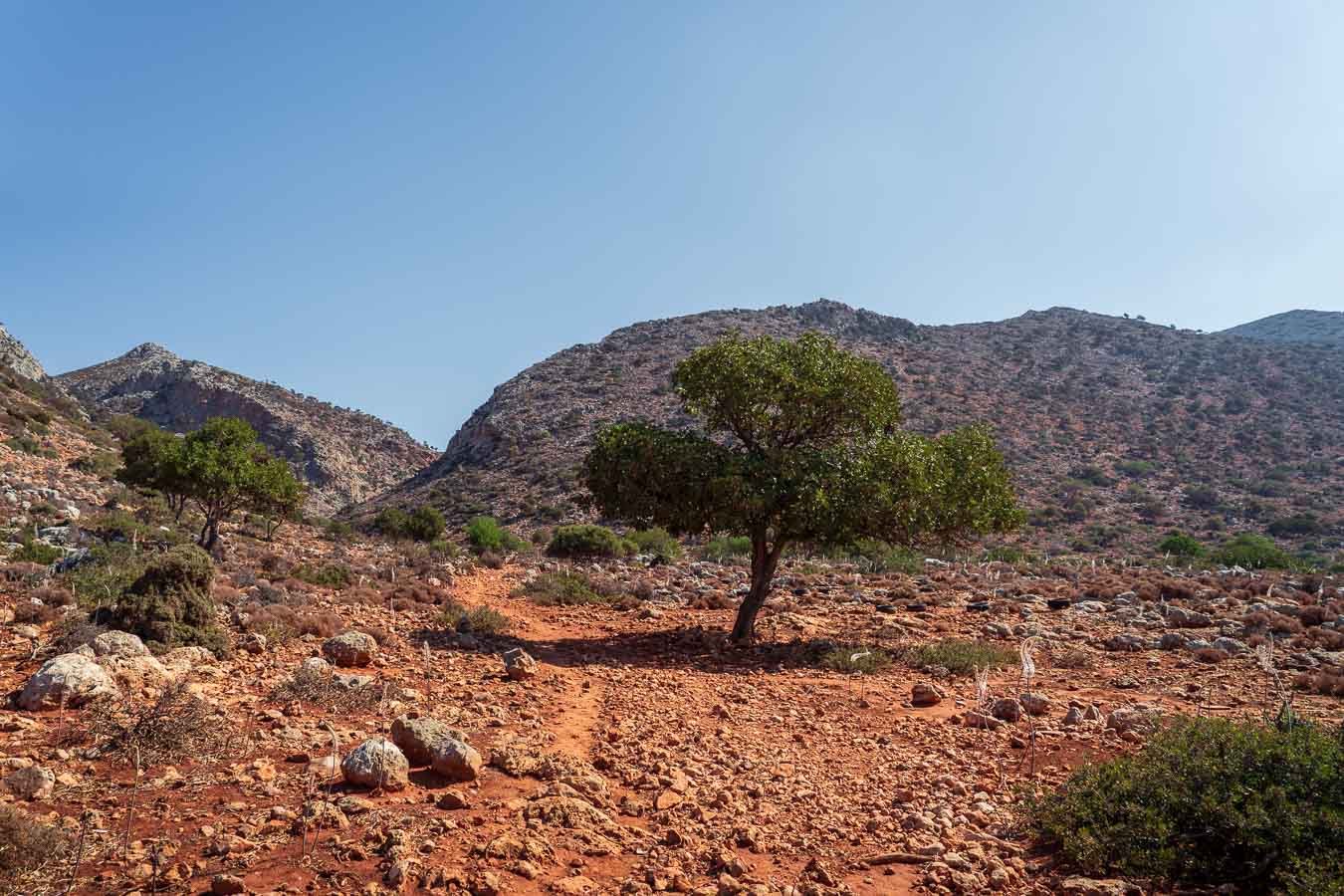
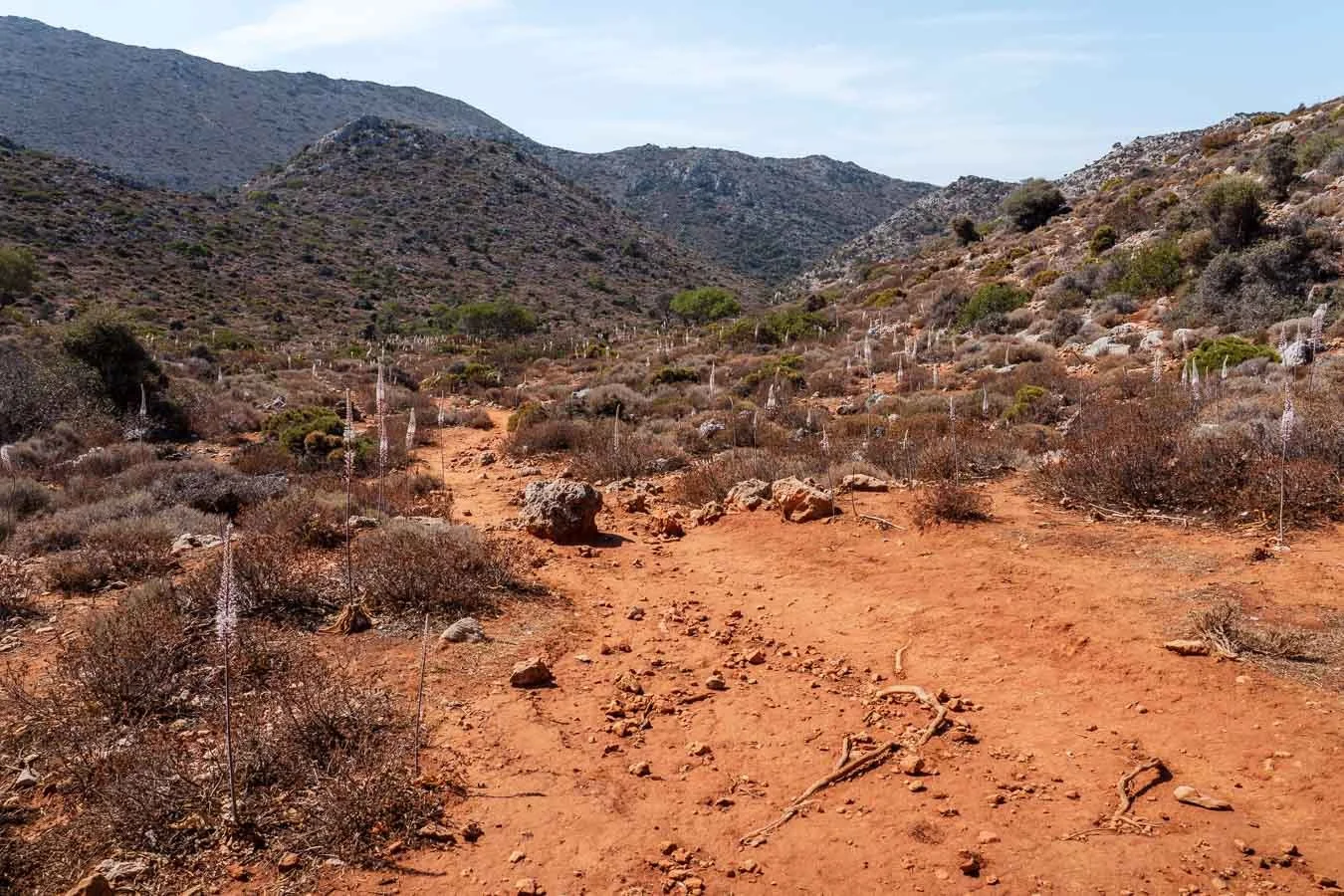
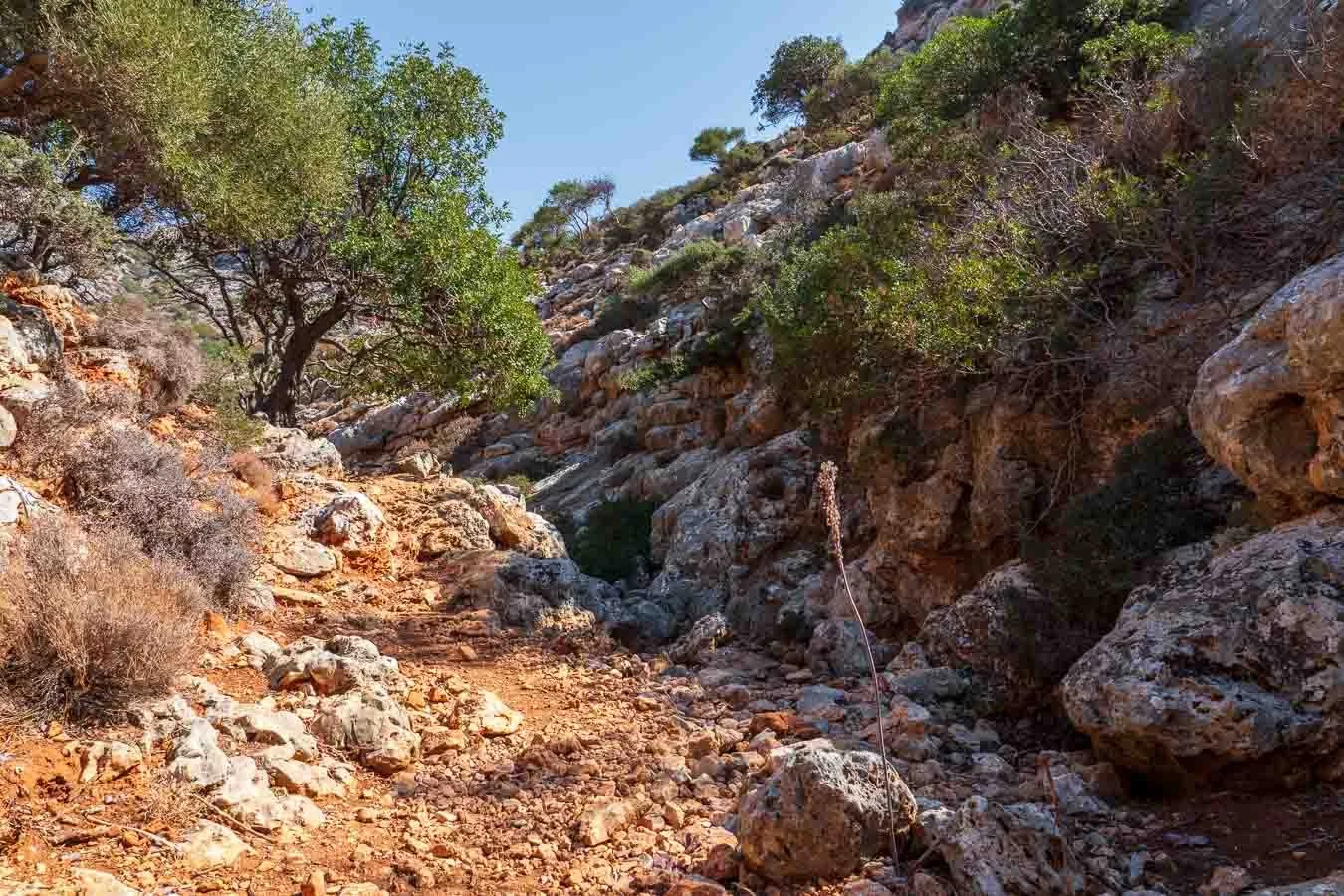
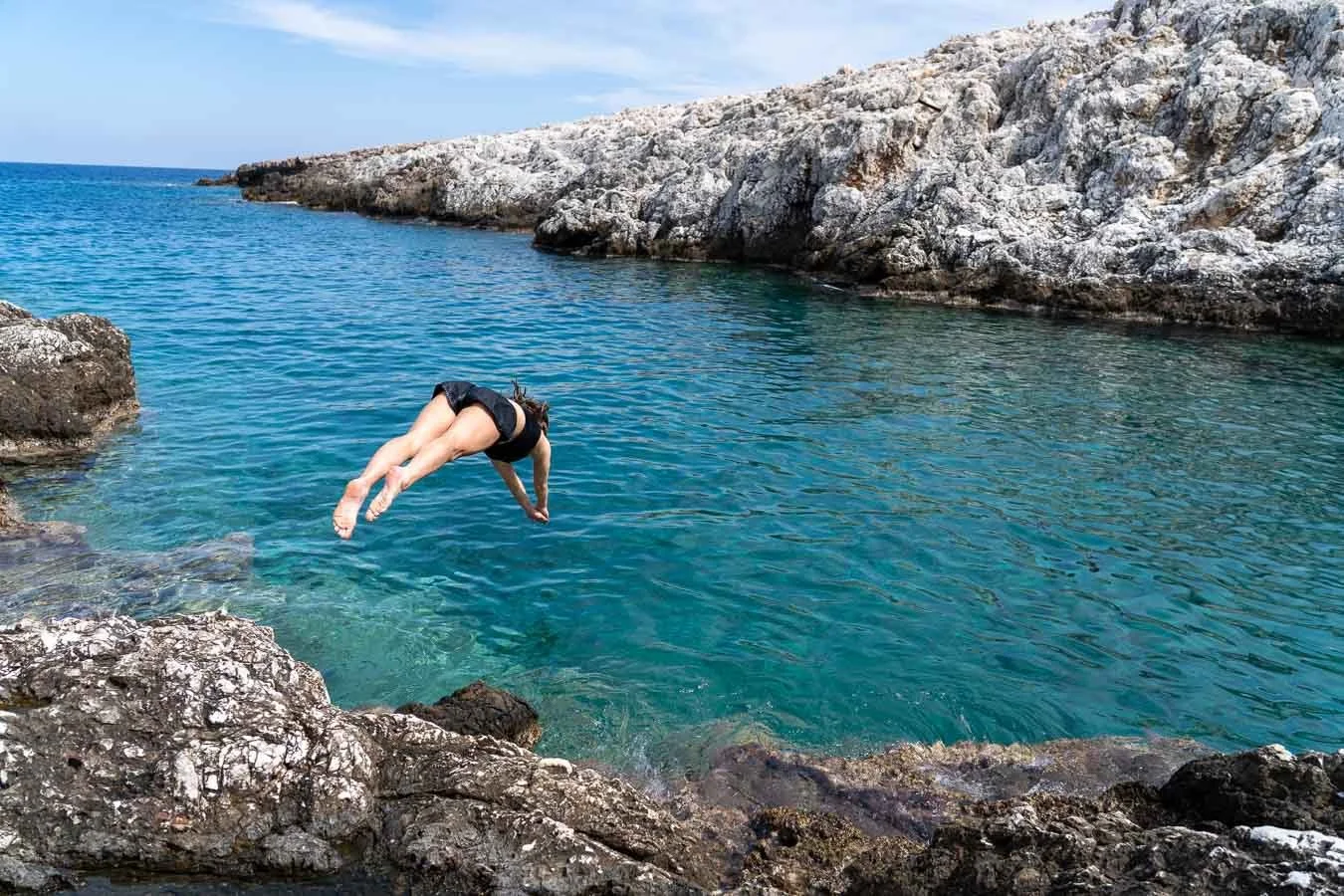
The Stavros-Moni Katholiko-Avlaki Cove trail is a 13.5-km out-and-back hike that offers a blend of rugged landscapes, historic landmarks, and secluded coves. It’s a moderately challenging route, typically taking 5 hours to complete. Starting in the coastal village of Stavros, the hike took us east through some dramatic, rocky terrain toward the Monastery of Katholiko. After the first few kilometers, we were glad to hit a shaded forest stretch before approaching the monastery.
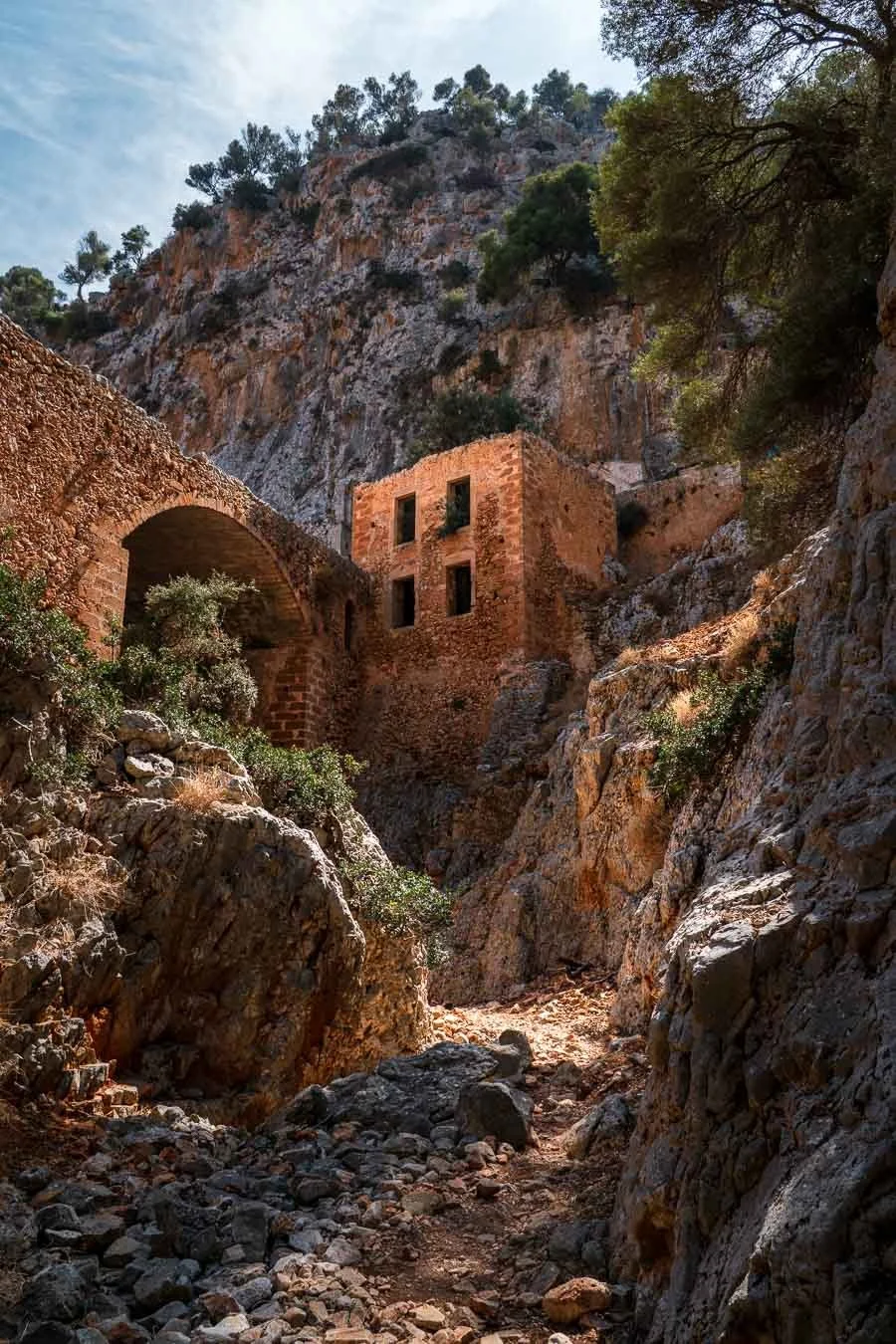
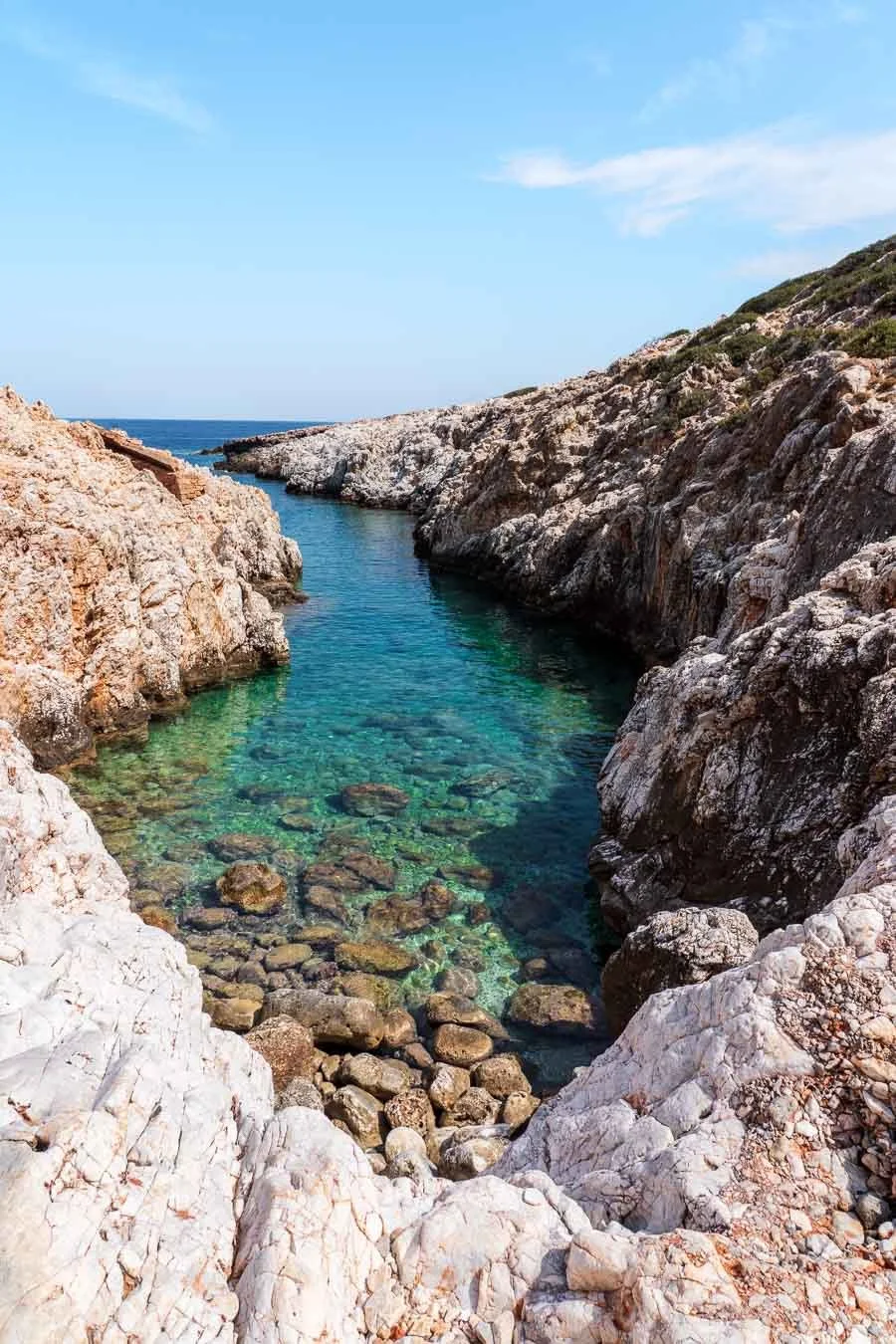
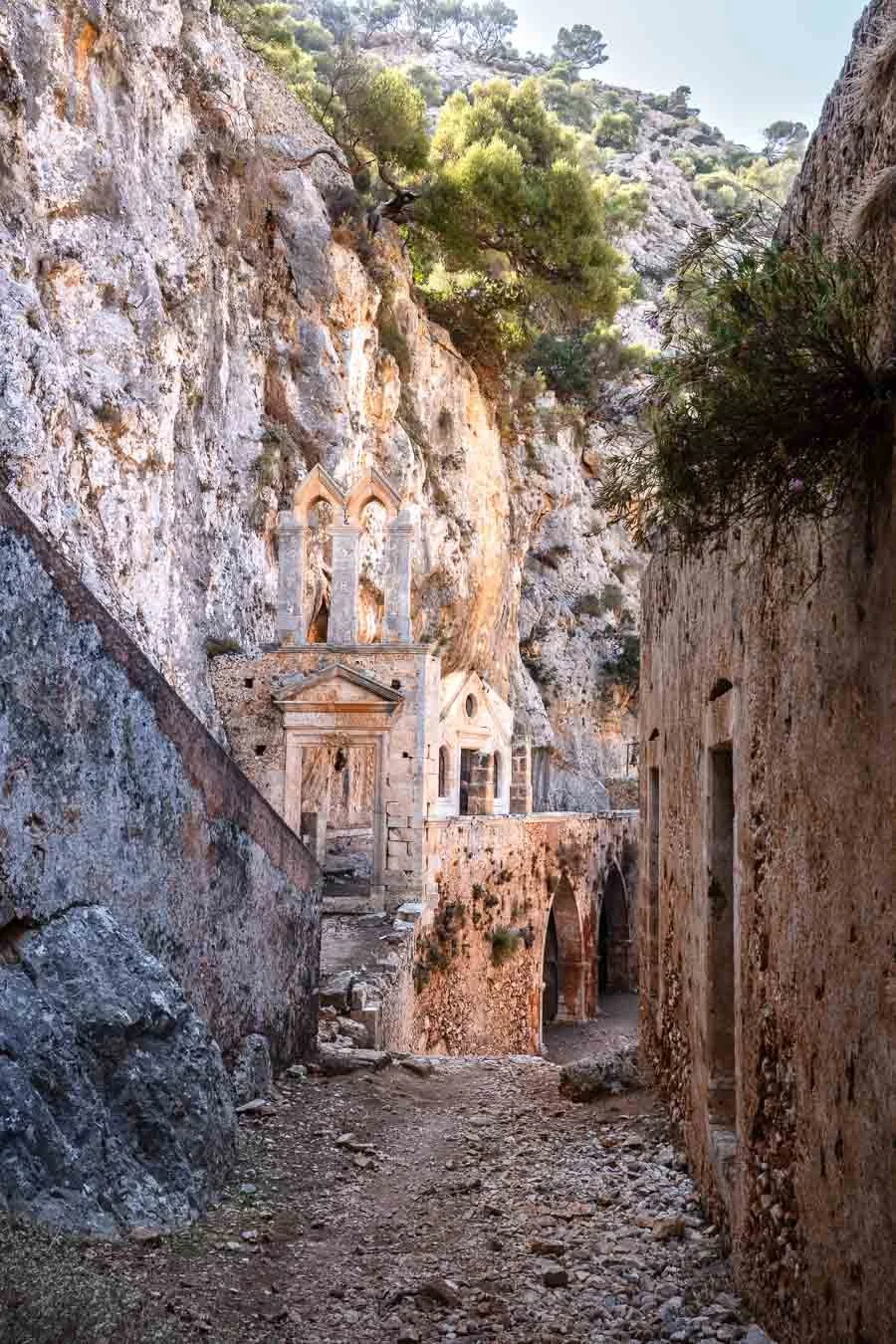
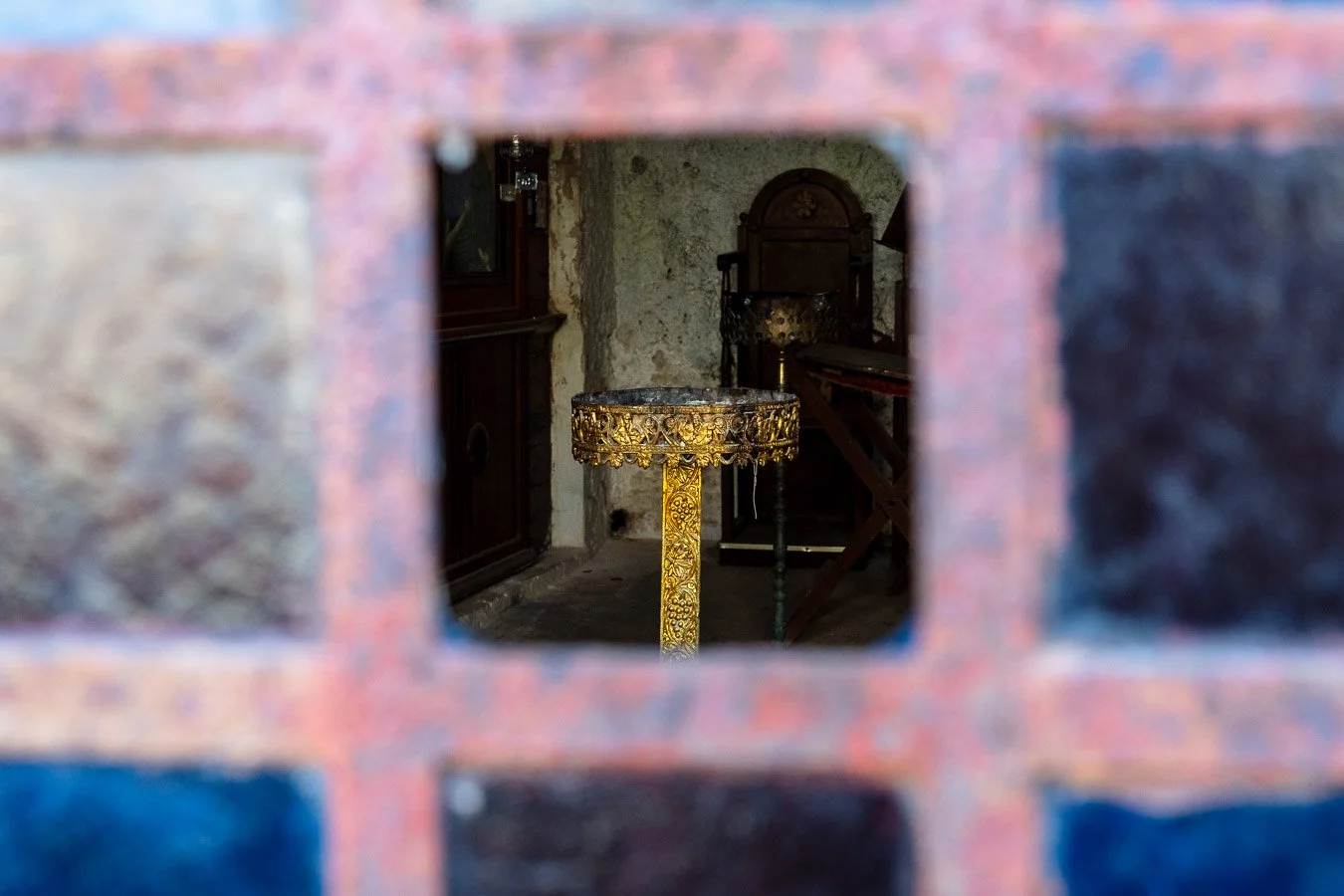
The monastery itself is set in a deep gorge, offering a stunning visual backdrop and some fascinating insight into the island’s rich cultural history. Following the monastery, the trail descends down to Avlaki Cove, which is a highlight of this hike. This is not a necessarily easy hike. There are sections where the path is steep and rocky, and the terrain can be tricky. The first stretch of the hike has almost no shade, which can make it feel more challenging depending on the time of year you’re there. The gorge offers a variety of landscapes, from small forested areas to open cliffs that provide sweeping panoramas of the surrounding hillsides. We didn’t encounter many other hikers along the way, so it was a perfect escape from the usual crowds and noise you’ll experience on Crete.
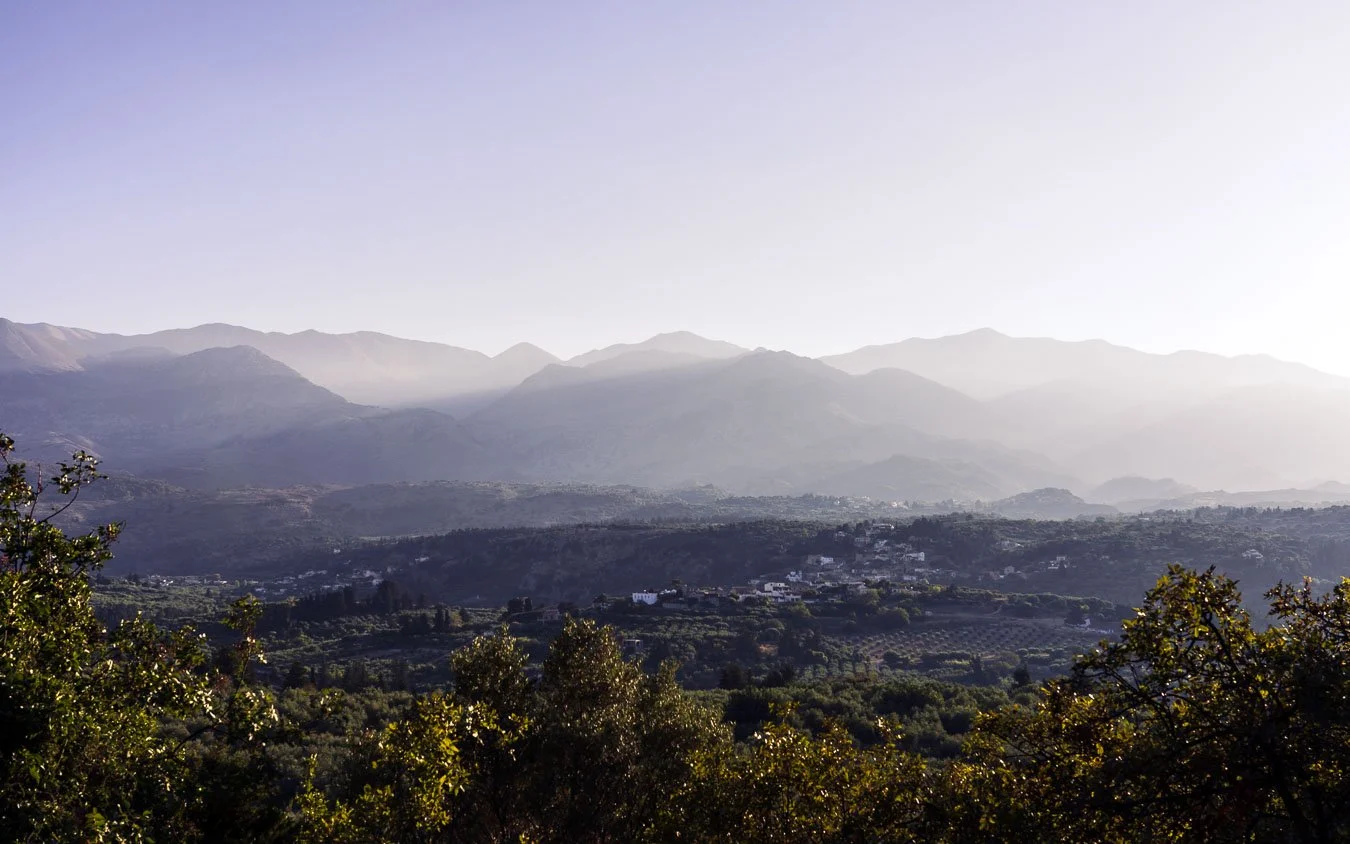
Layers of hazy mountains as seen from a roadside stop between Chania and Heraklion.
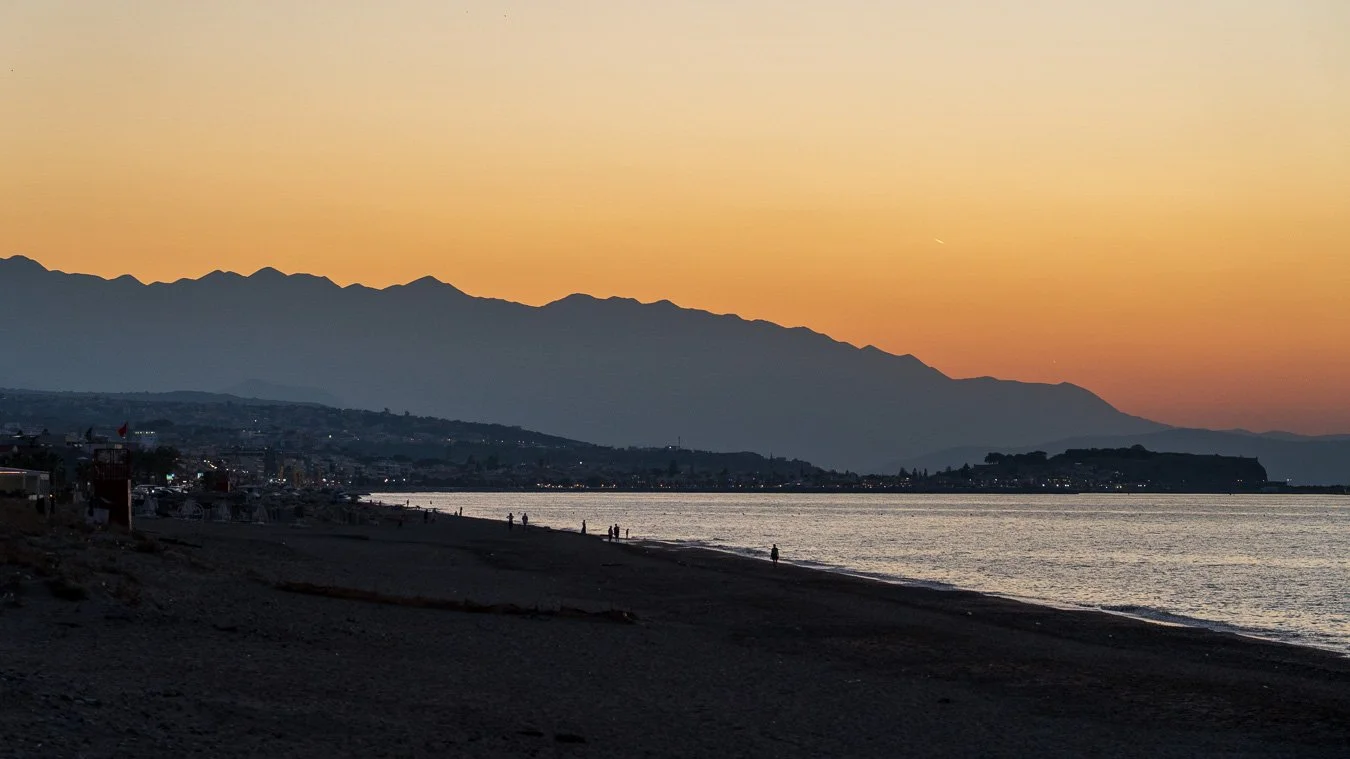
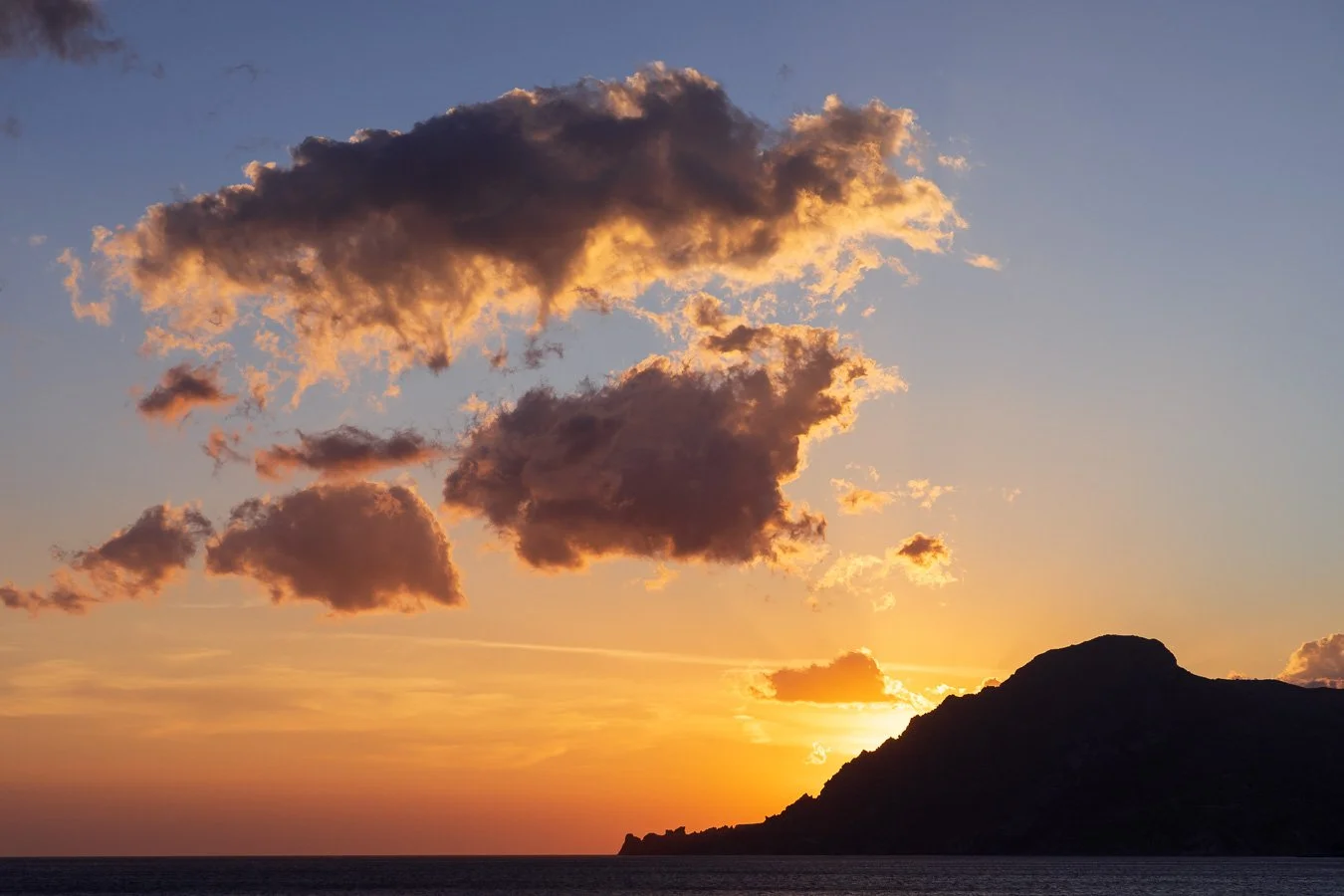
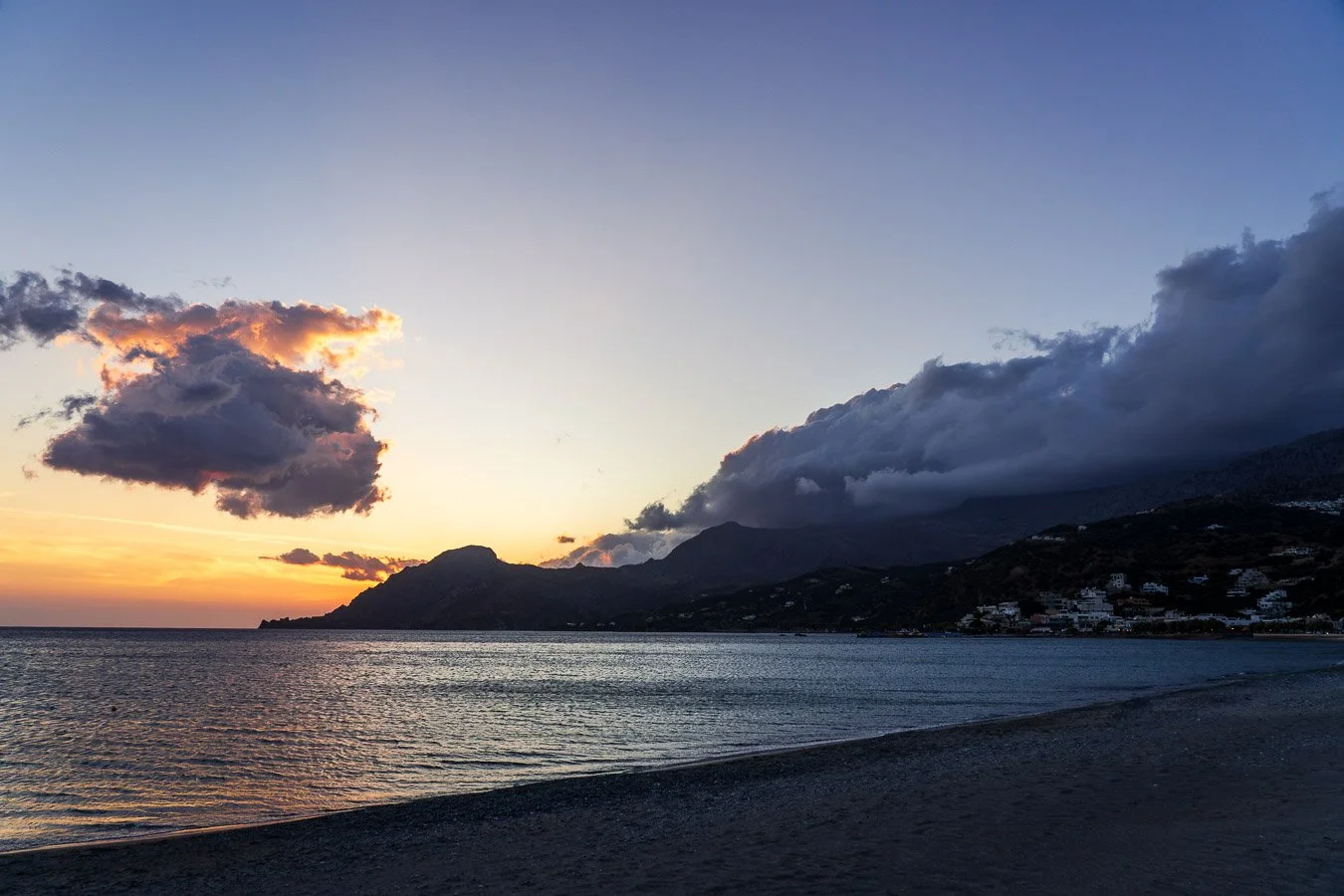
Sunset over the sea at Camping Elizabeth.
Following the hike back, we drove east to Rethymno, an in-between point, since we would return our car in Heraklion the following morning. In Rethymno, we headed for Camping Elizabeth to pitch our roof tent for one last night. From this campsite there is direct access to the beach, so we ventured out for one last sunset on Crete. The campsite is also only a few minutes away from many restaurants and shops, so it’s a perfect place for a stopover or to use as a base if you’re exploring Crete’s northern coast.
After dropping off our little Jimny at the Lucid Dreams office, we checked in for the night at Athinaiko Hotel. We chose this budget-friendly option for its low price and good location – just a 10-minute stroll from Heraklion Port, where we were catching our ferry the next morning. After a quick rest in a real bed, we decided to head to the Heraklion Archaeological Museum. If you’re keen to dive into the heart of Minoan civilization, this museum is a must-do while you’re in Heraklion. Its impressive collection of artifacts offers a fascinating glimpse into life thousands of years ago, from stunning frescoes to intricate pottery, all showcasing the advanced culture that once thrived on Crete. Just make sure you have cash to purchase tickets.
We decided on one last Creten meal at a nearby restaurant Kapilio, a charming little taverna tucked away from the hustle and bustle you’ll experience throughout Heraklion. It’s a family-owned place and they speak very little English, but ordering is made easy with an English menu where you can just circle the items that you want to order. It was another great meal, and the ideal end to our Cretan adventure before we boarded the ferry the next day.
Milos: A Hidden Gem
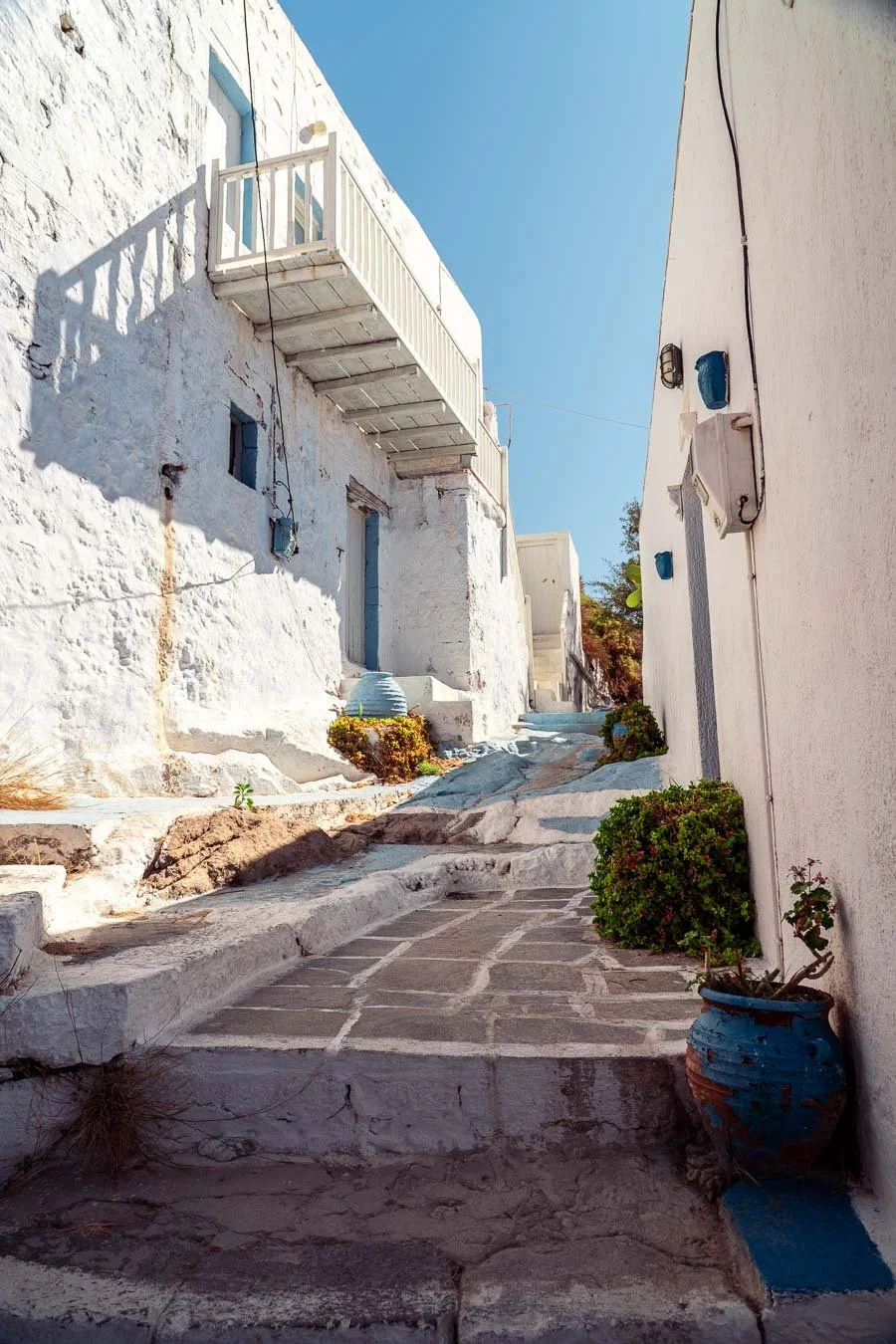
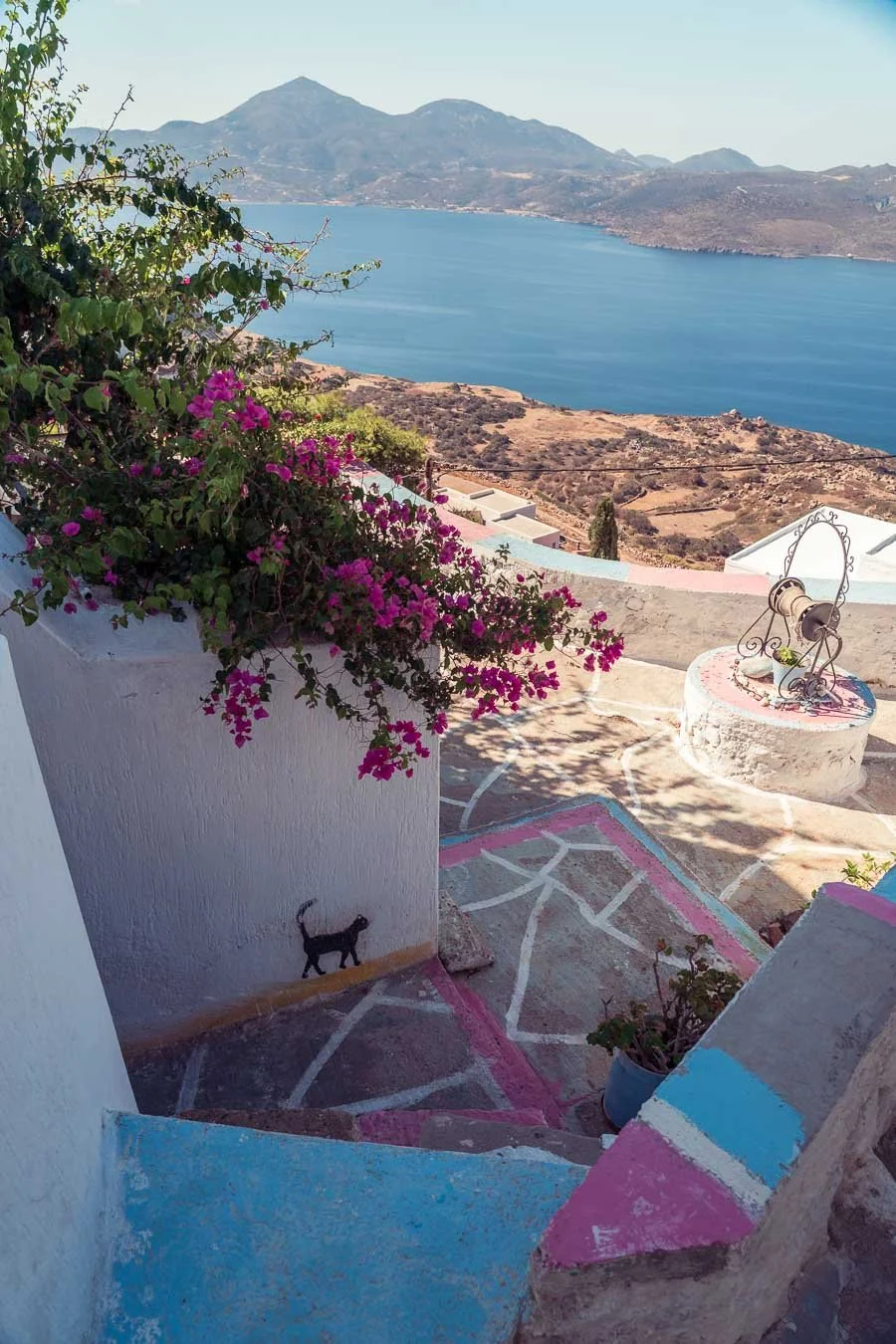
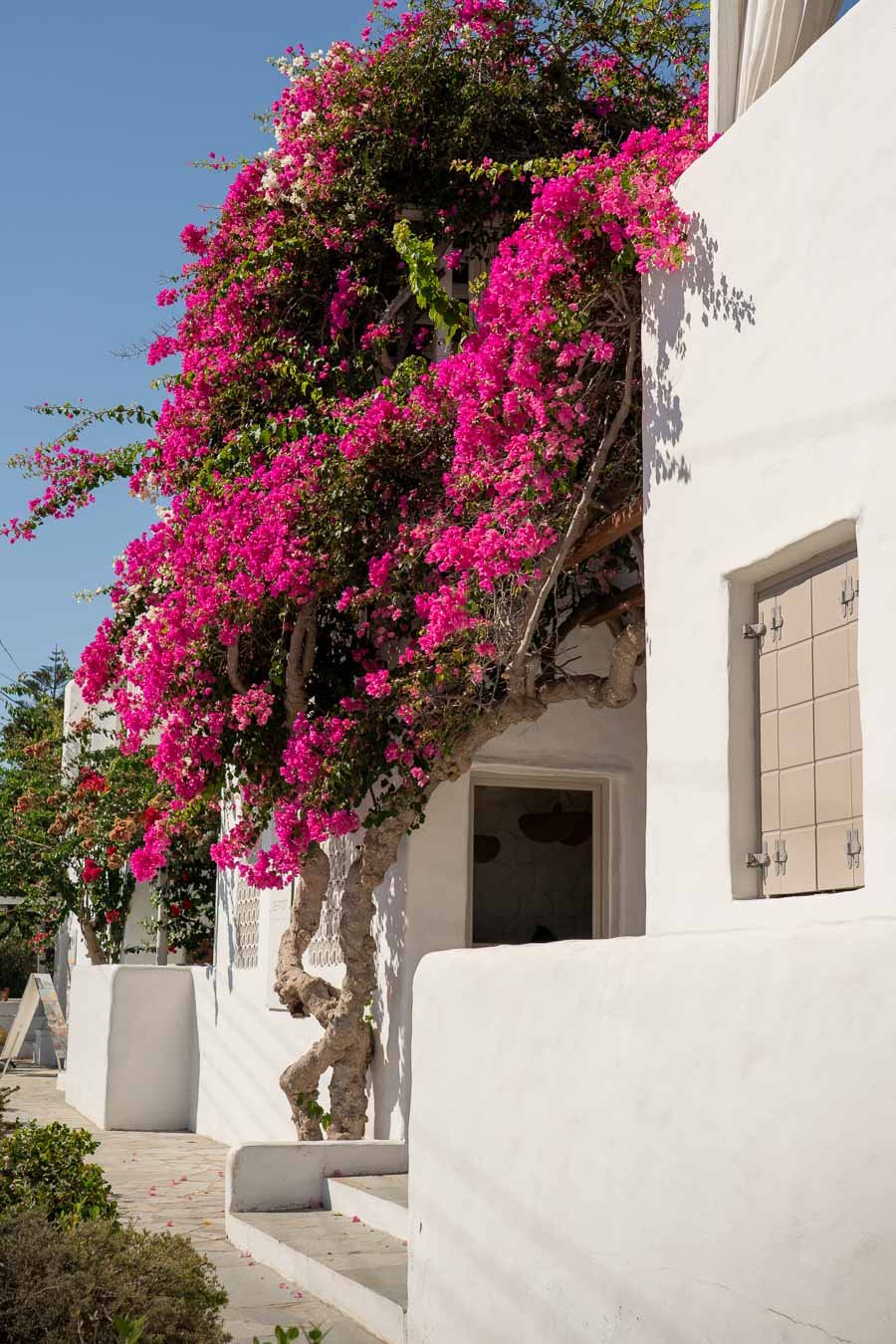
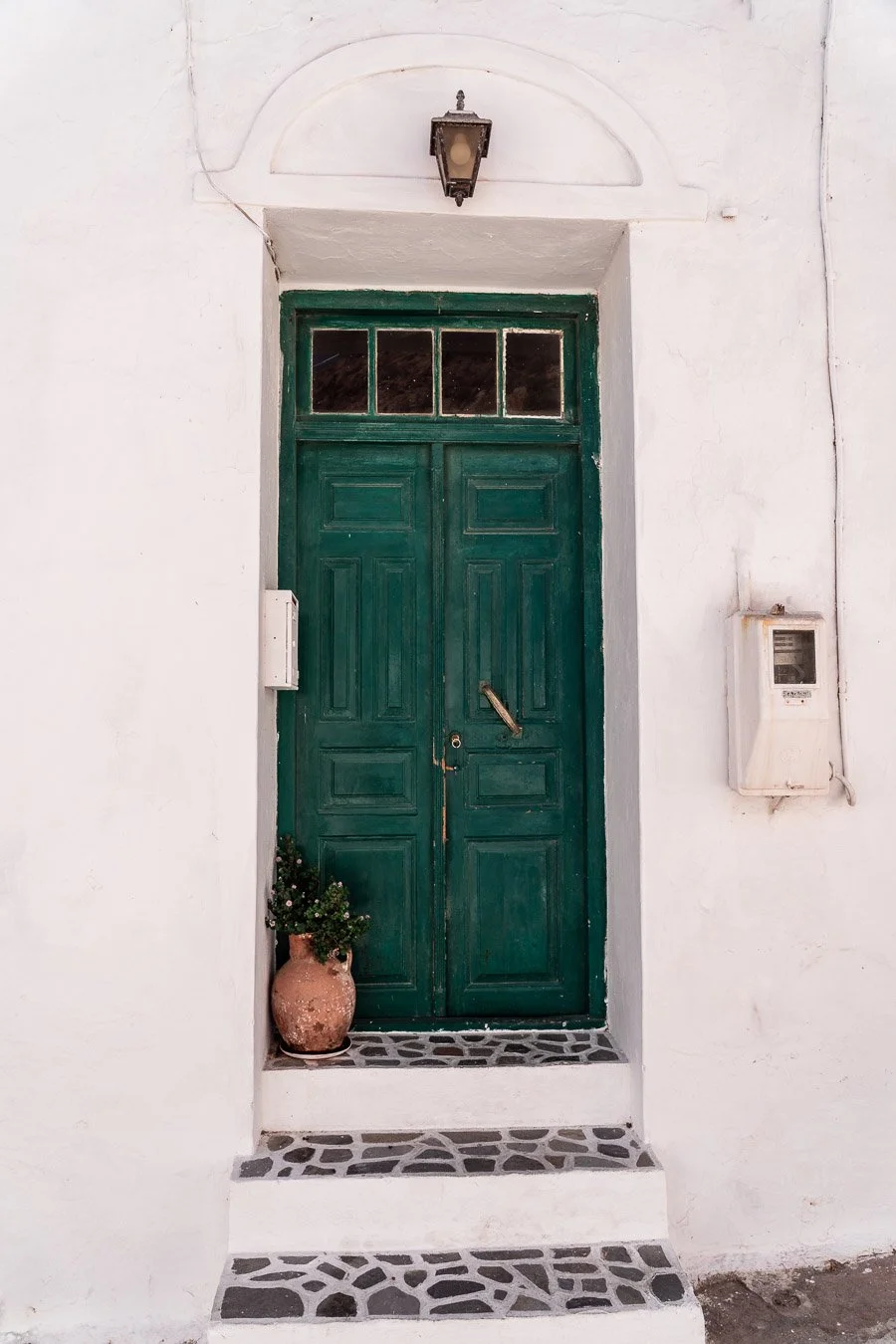
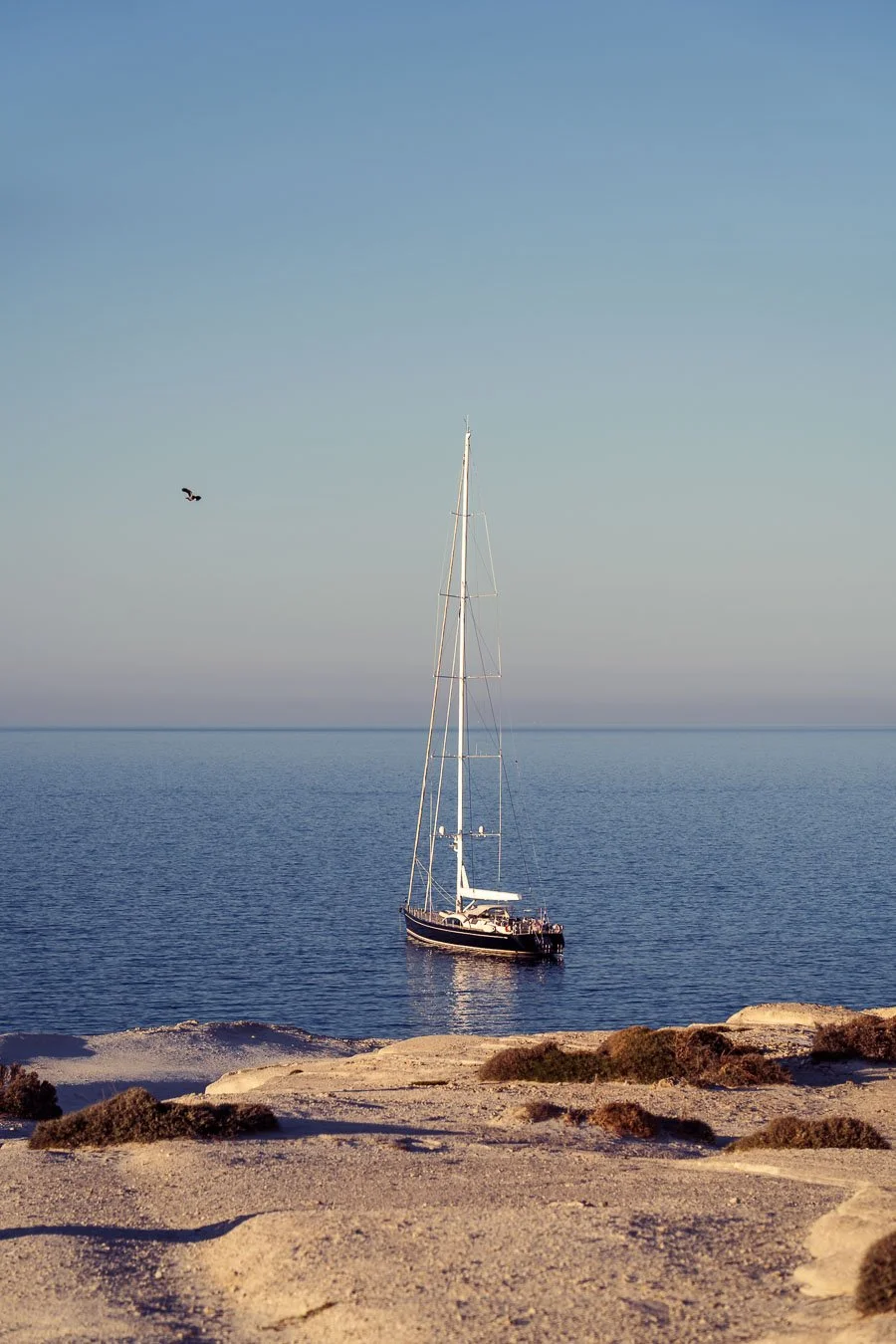
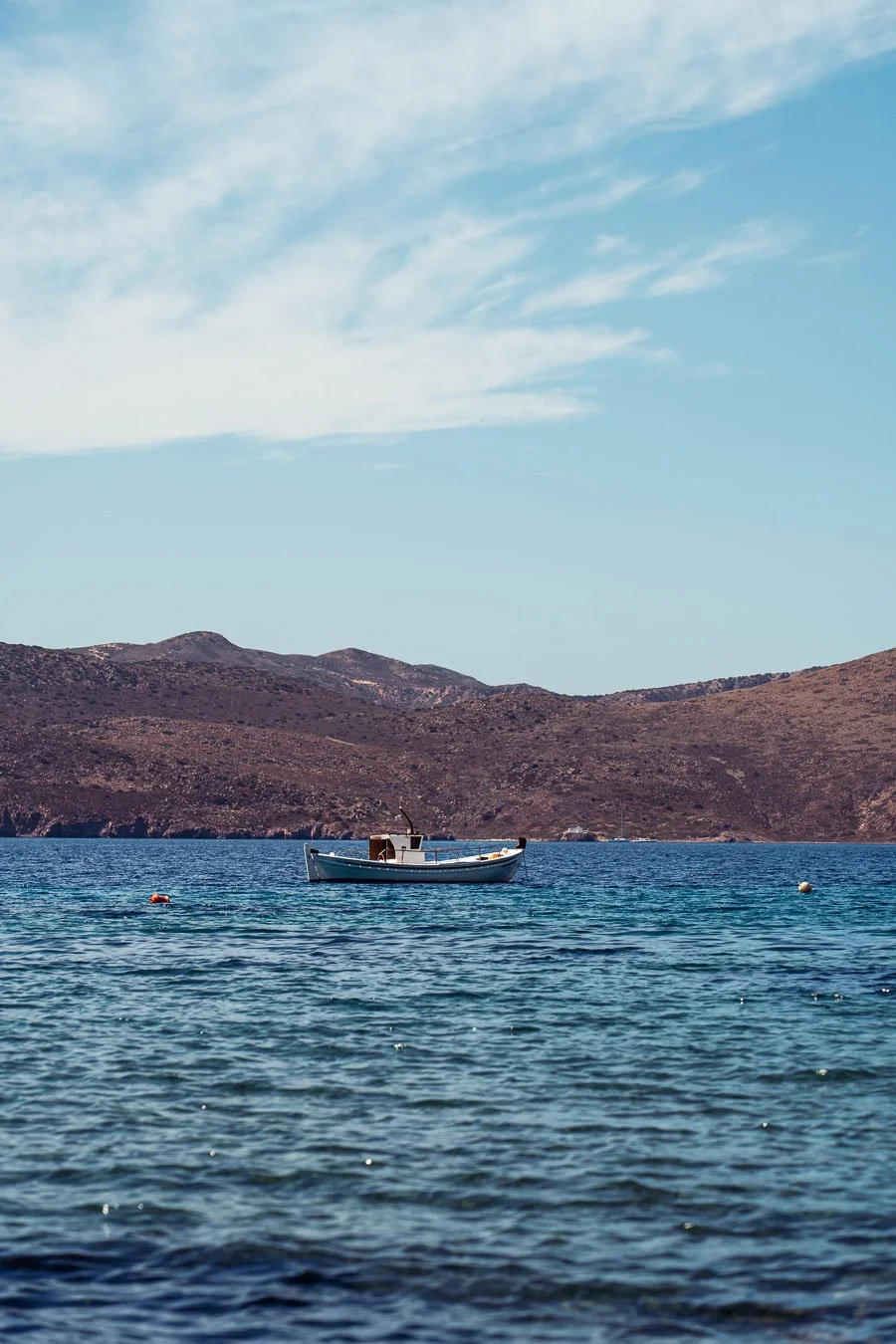

Milos was named as one of the best islands in the world for 2024, at least according to the readers of Travel+Leisure magazine, and there’s a good reason for this. While it may not boast the same fame as Mykonos or Santorini, Milos has been quietly stealing the hearts of travelers with its otherworldly beaches and infamous sea caves. On some days you might find yourself traipsing over volcanic rock formations at Sarakiniko beach. On other days, you might find yourself wandering aimlessly through tiny coastal villages lined with whitewashed buildings and vibrant flowering vines (bougainvillea). With its dramatic landscapes, clear waters, and stunning beaches, Milos is the perfect destination for those looking to escape the crowds and just relax. Here’s how our days on Milos unfolded:
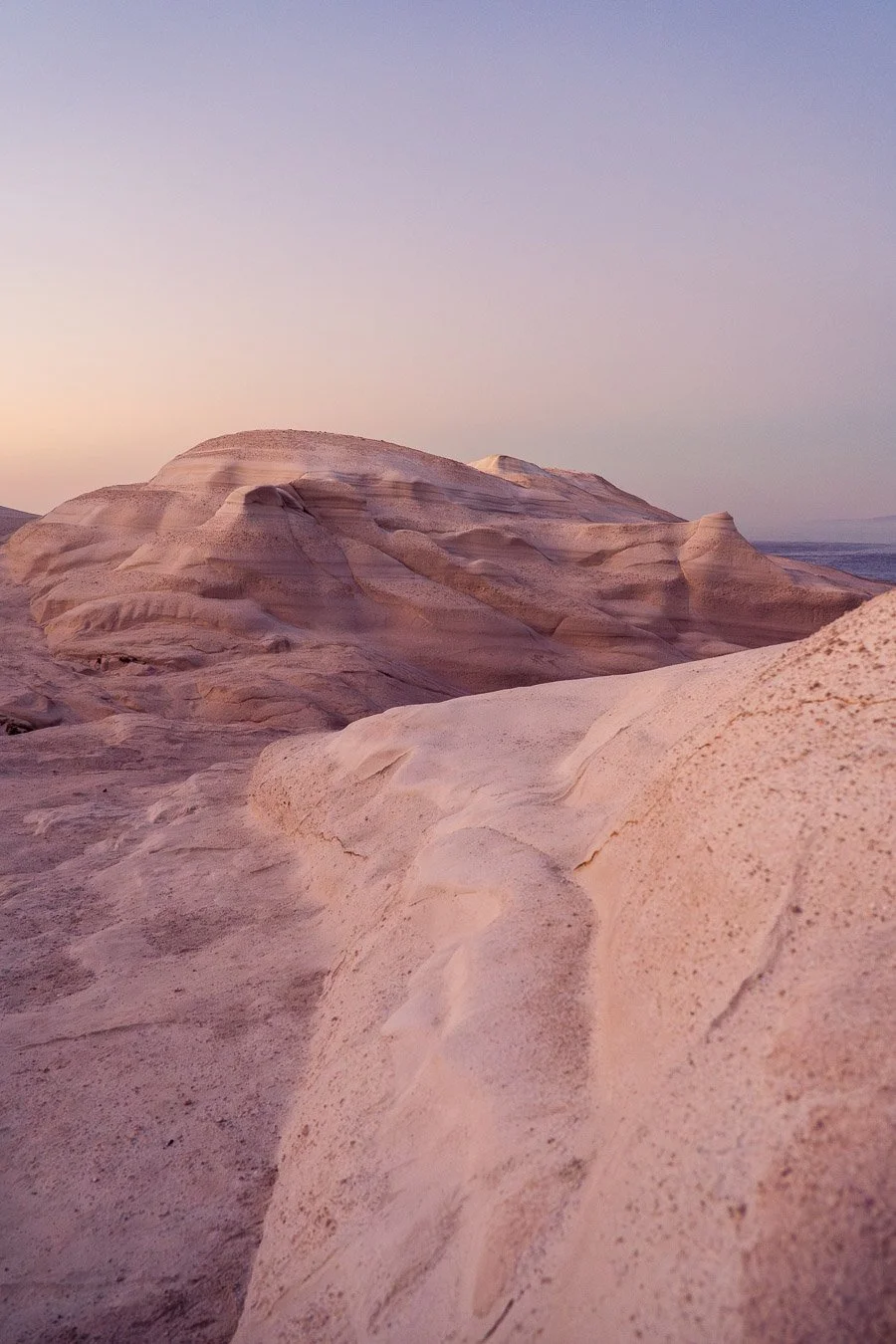
From Heraklion, we took a ferry to Santorini and then a second ferry to Adamas port on Milos. From the port of Adamas, you can walk a few minutes into the city to find accommodation or pick up a rental car like we did. While public transport is available on the island, renting a car (or scooter or ATV) offers the freedom and flexibility to fully experience all that the island has to offer. Since things on the island are rather spread out, it’s usually recommended to rent a vehicle. Pretty much immediately you notice just how different the vibe on Milos is from our previous Cretan adventure. Everything here felt so calm and quiet.
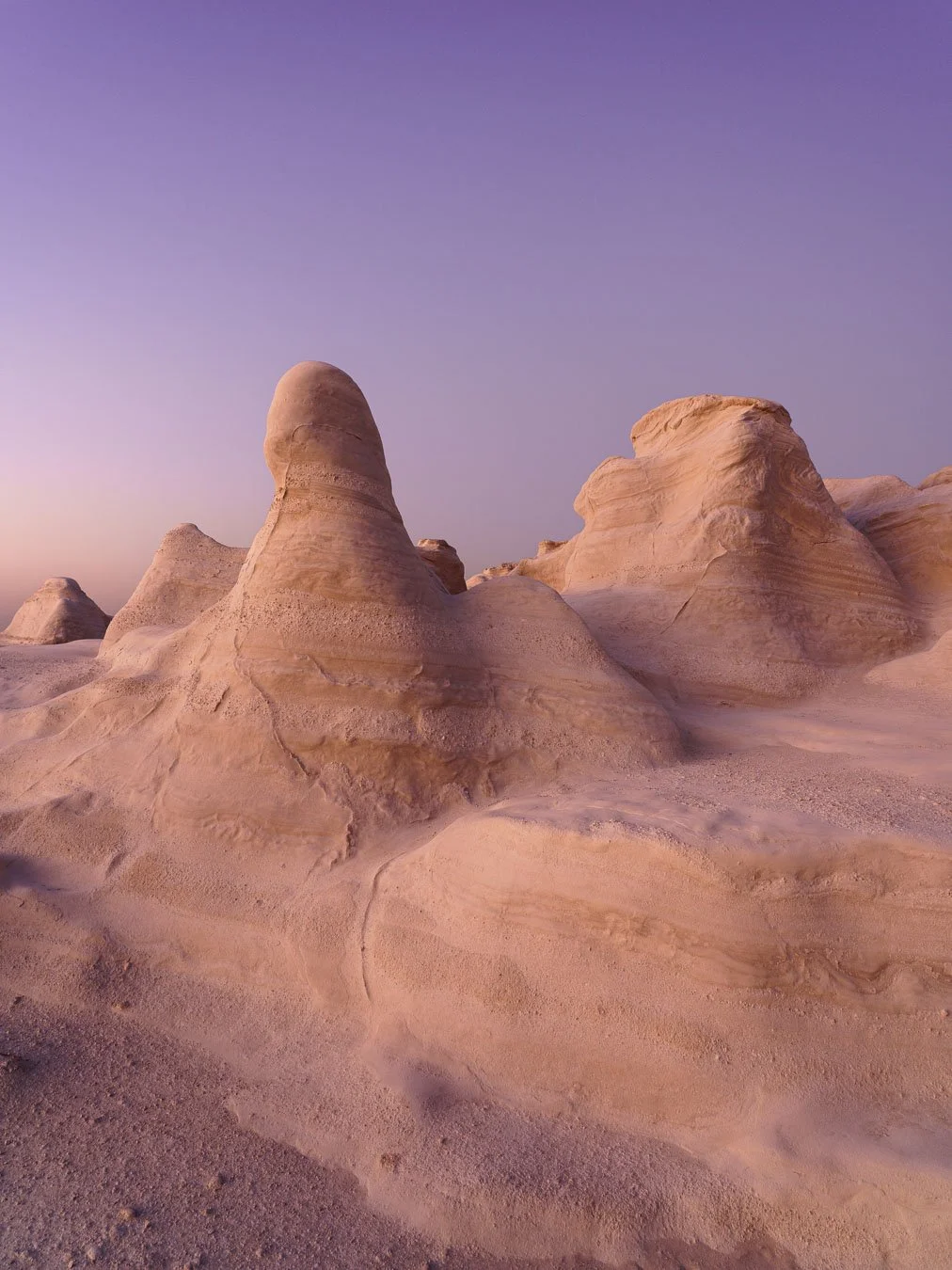
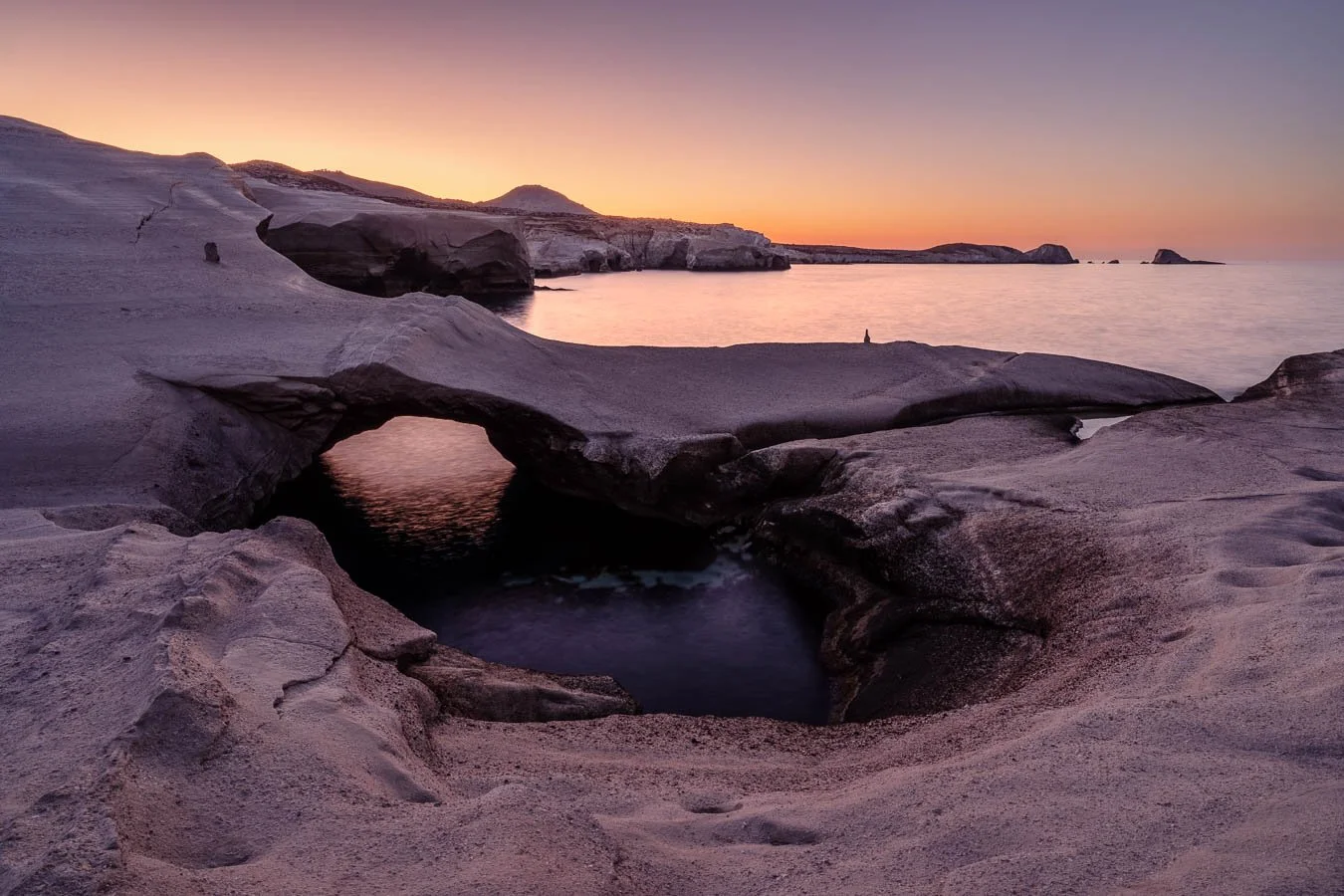
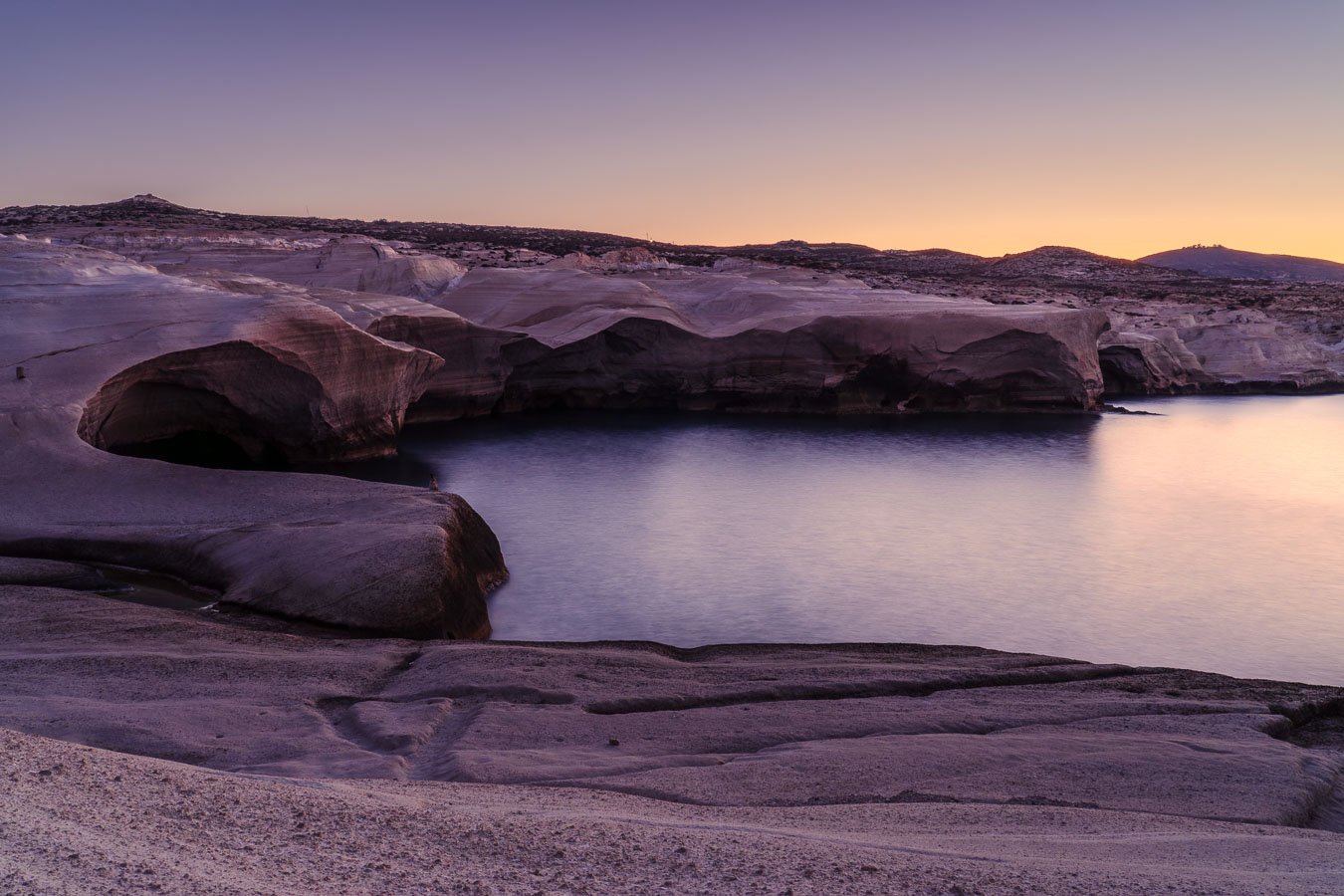
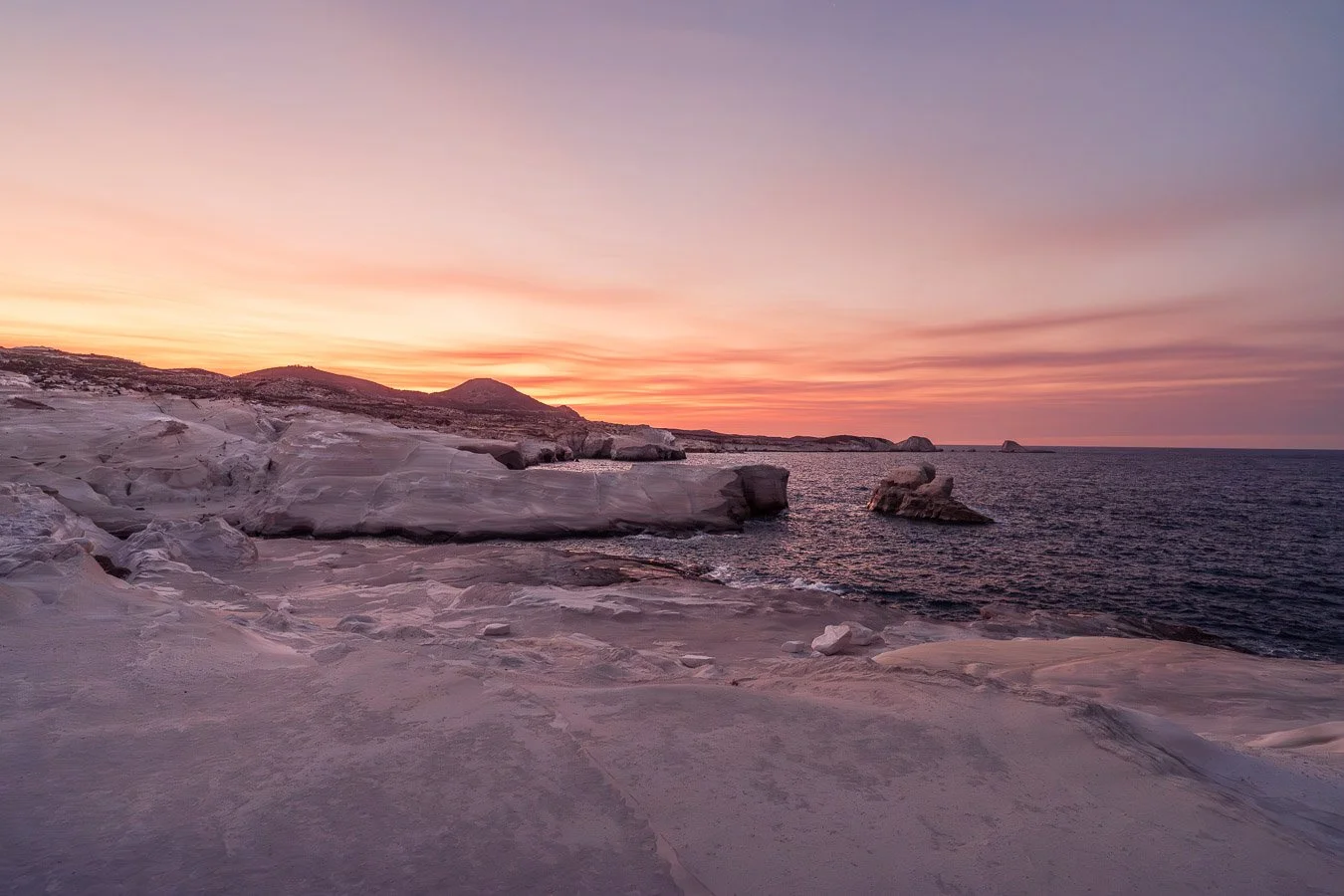
After picking up our rental car from the Autounion office in Adamas, we headed towards our accommodation, Agnanti View Hotel. This is one of the most cost-effective accommodations on the island, but you’ll want some form of your own transportation if you stay here. We put down our bags and headed straight to Sarakiniko Beach to catch the sunset. No visit to Milos would be complete without a trip to Sarakiniko, one of the island’s most unique and photogenic locations. Known for its stark white volcanic rock formations, crystal-clear waters, and dramatic coastal scenery, Sarakiniko truly is a geological marvel and unlike anything you have likely ever seen.
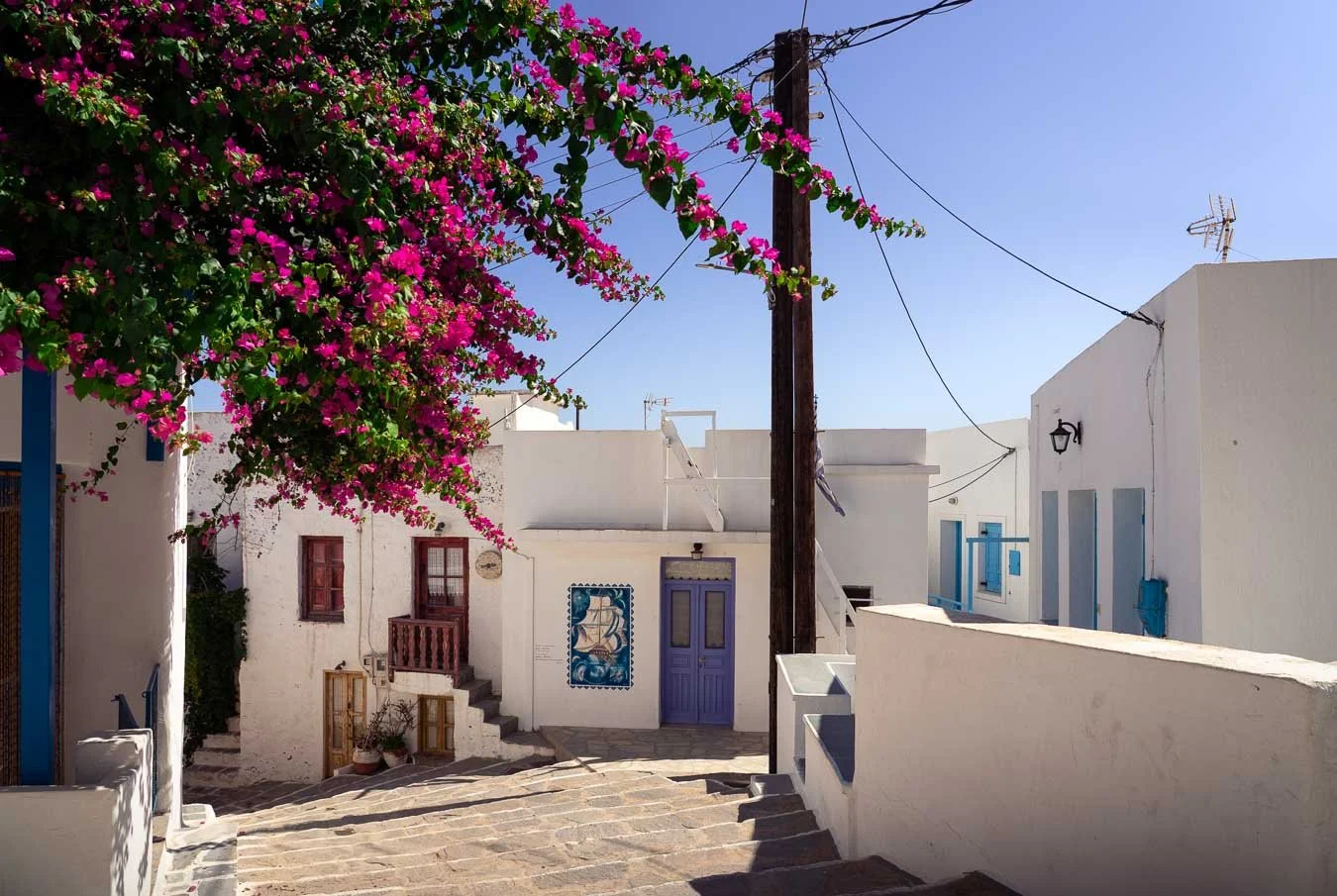
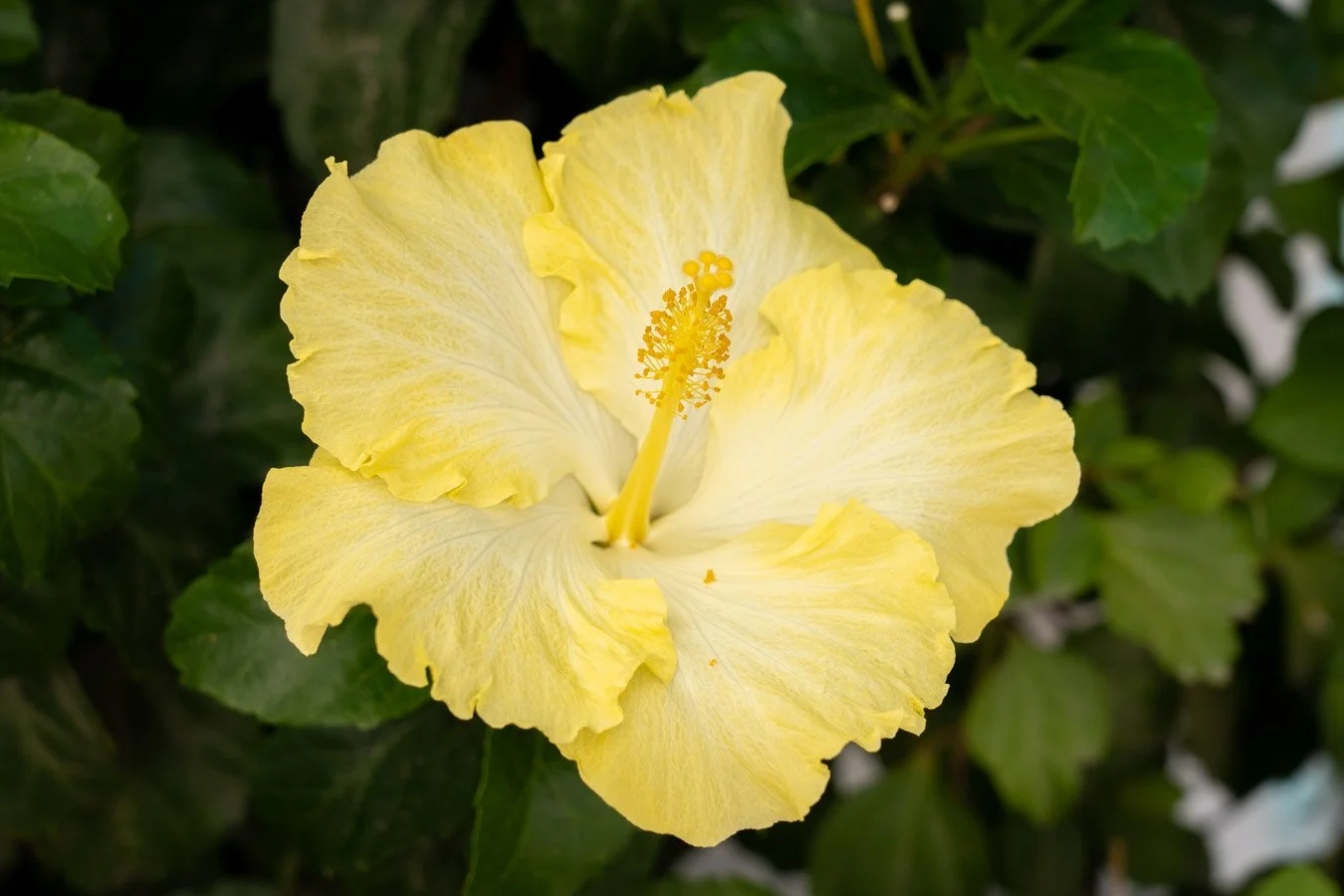
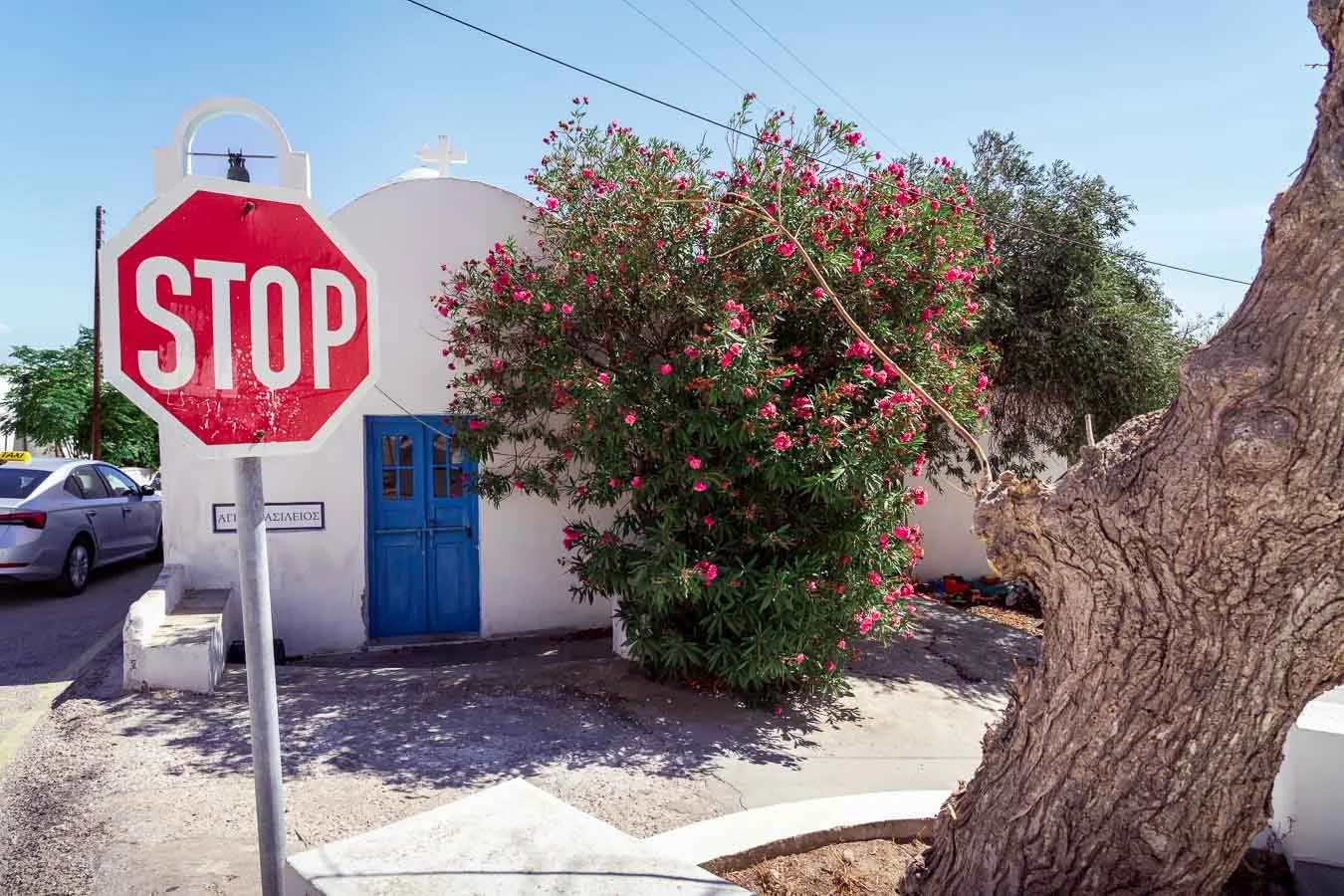
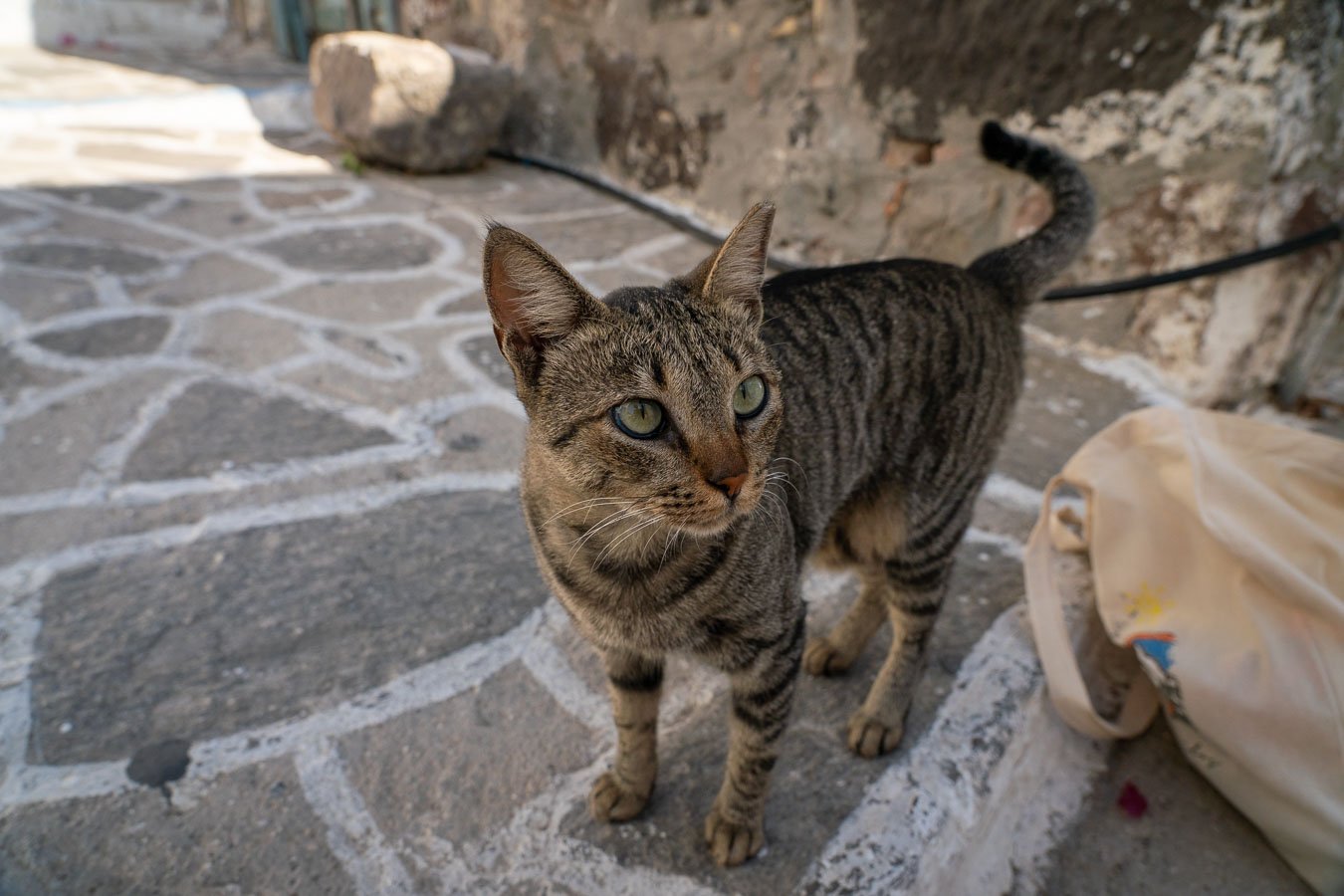
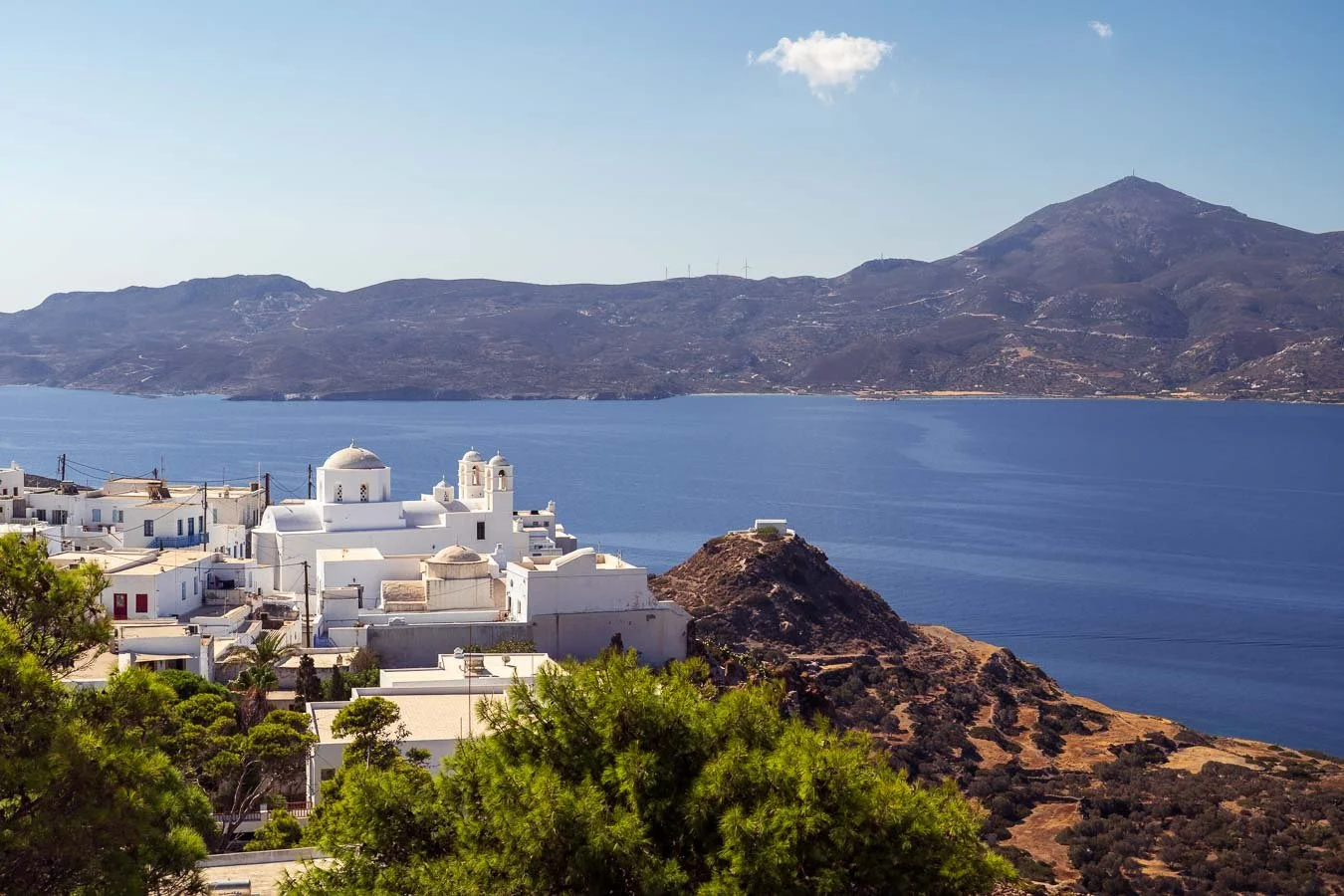
The next day, we explored the charming little village of Plaka, the island's capital. Perched on a hill, Plaka has a classic Greek island vibe, with narrow, winding streets lined with whitewashed houses and plenty of adorable stray cats. The village is a small maze of cobblestone alleys, cozy eateries, and small shops that sell locally made goods. Here, the atmosphere is laid-back, almost timeless, making it the perfect place to wander without being in a hurry. Just keep in mind you will have to wander on foot as no cars are allowed inside of the village. We first made our way to the top of the city, where we found the ruins of Plaka Castle, which offers panoramic vistas of the island and its rugged coastline. After snapping some photos, we ventured back down into the village for a relaxed lunch at En Plo and some shopping before moving on.
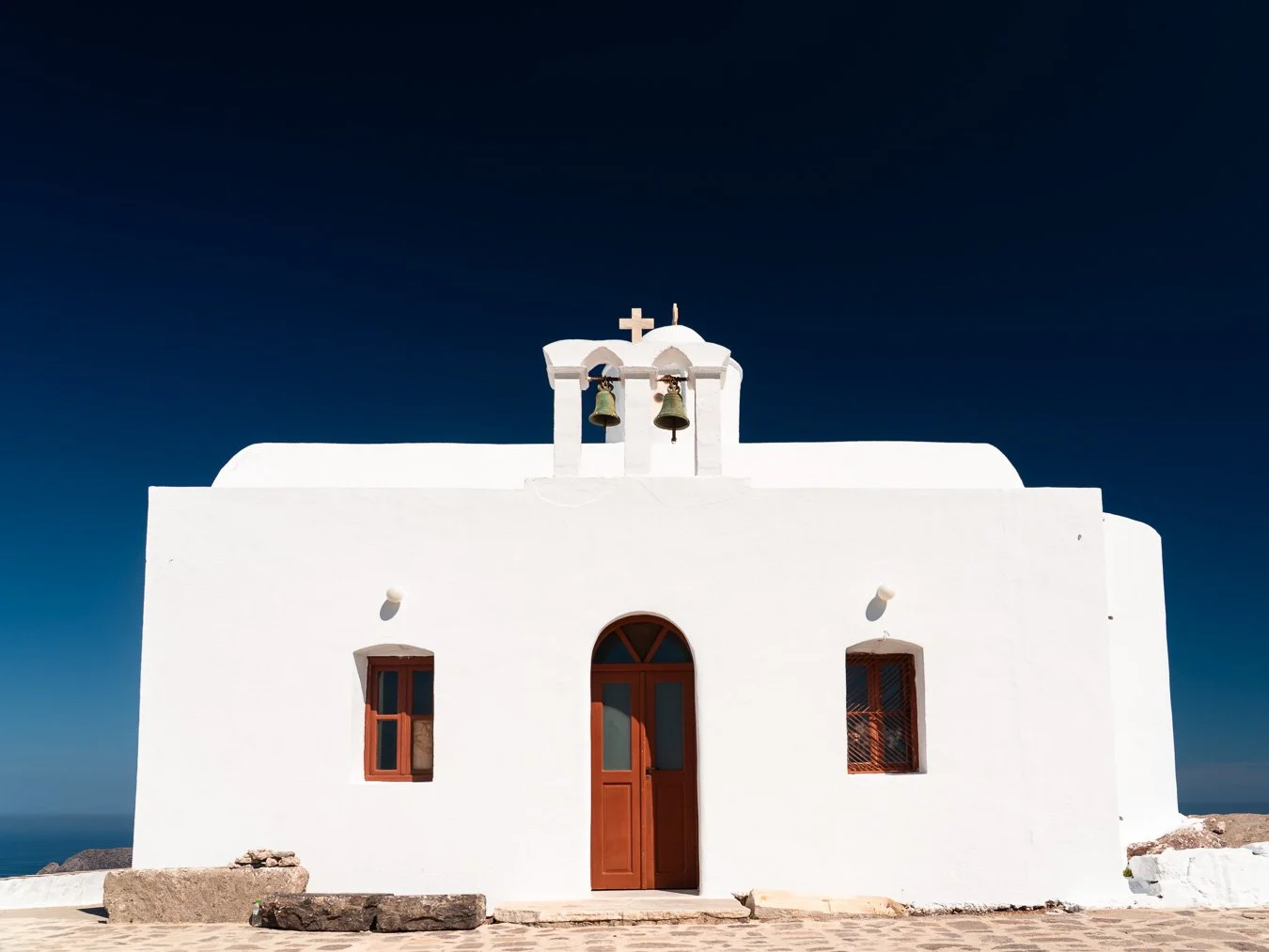
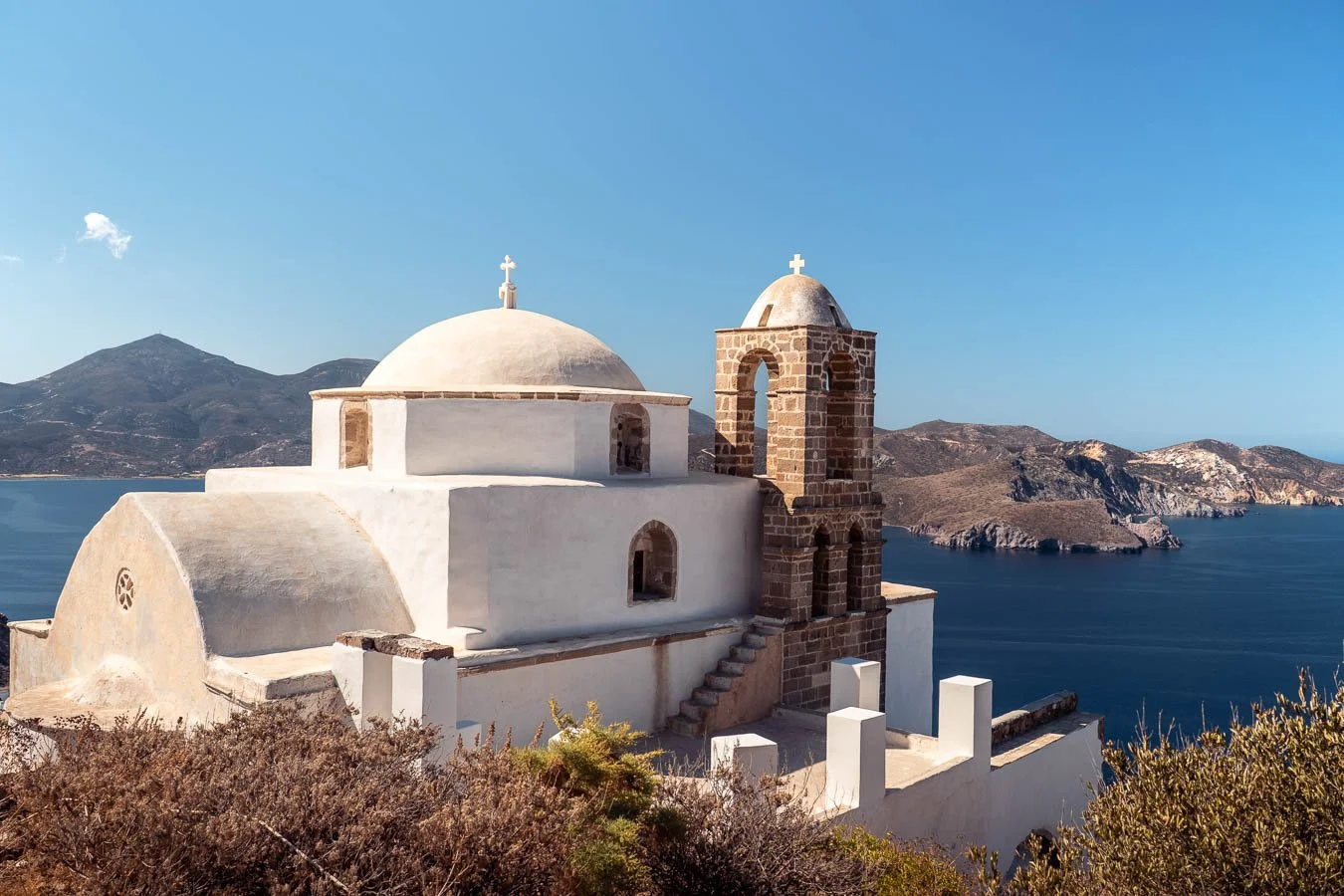
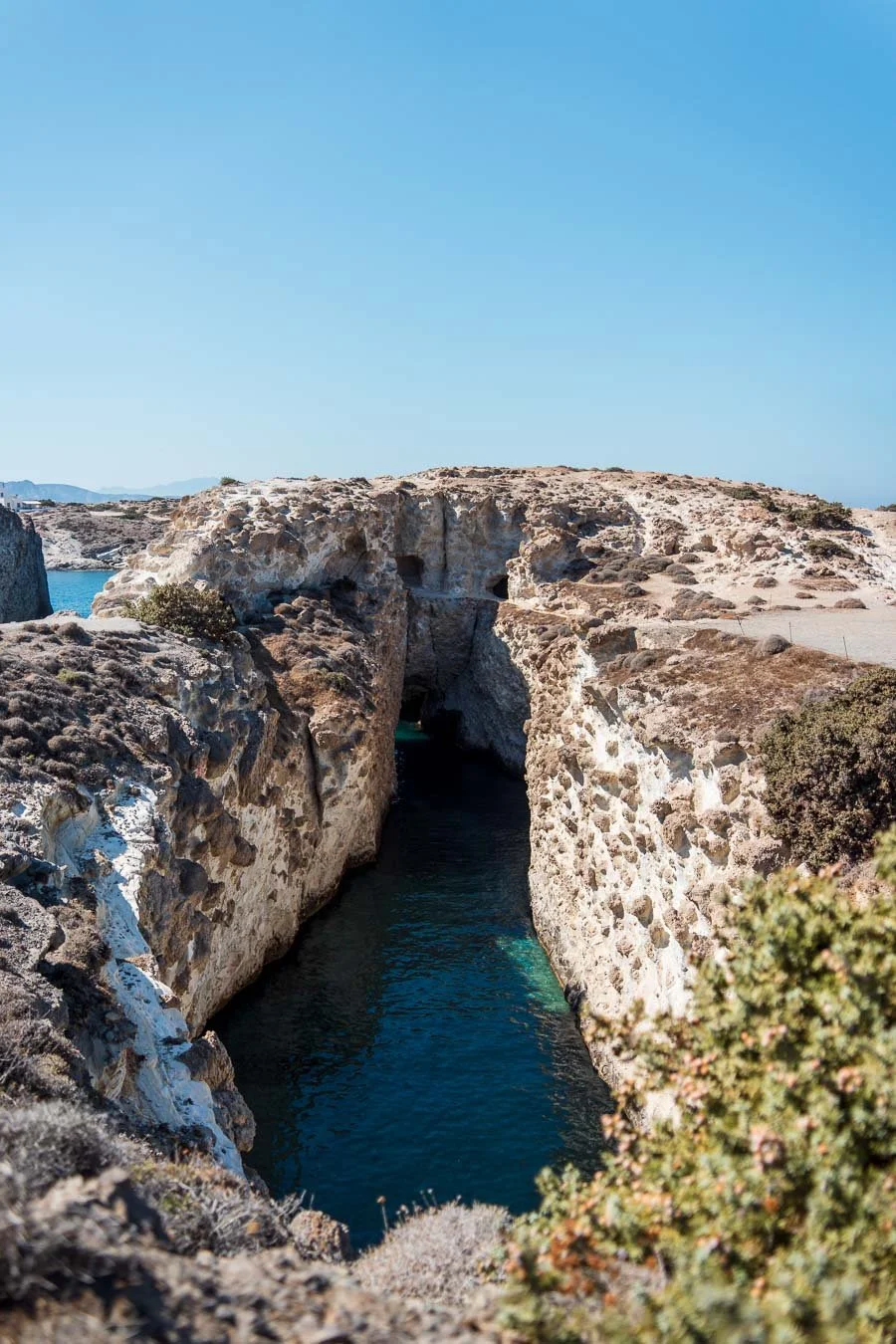
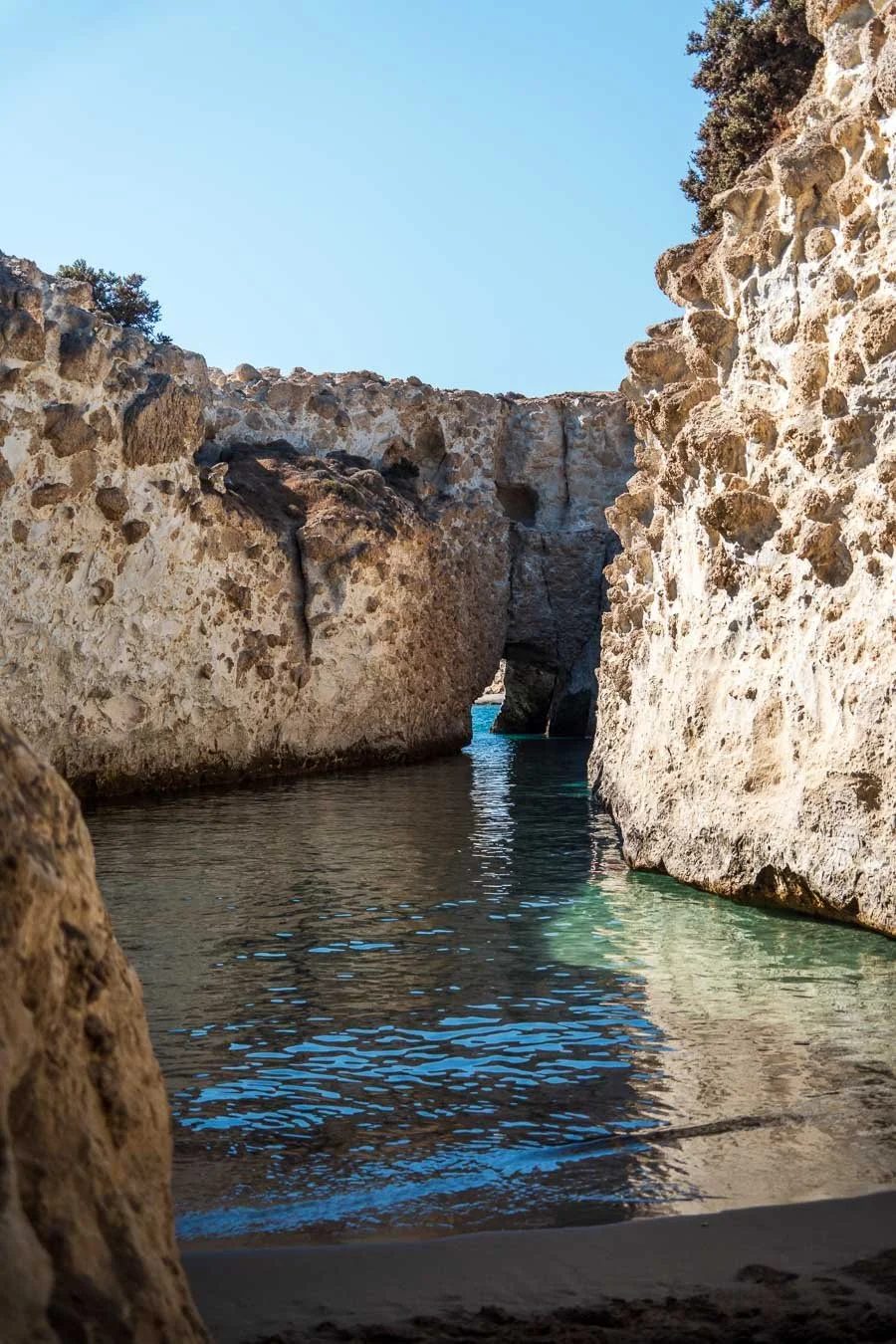
In the afternoon, we decided to check out Papafragas Caves, which are known for their dramatic cliffs and clear blue water. The beach here is tiny and you will have to venture down a somewhat treacherous path that is dotted with warning signs to get to the water. This spot is hugely popular with instagrammers so it can get busy considering there’s only enough beach for a handful of people. For us, it was a swift stop for a swim and a rest before venturing on to other places on the island.
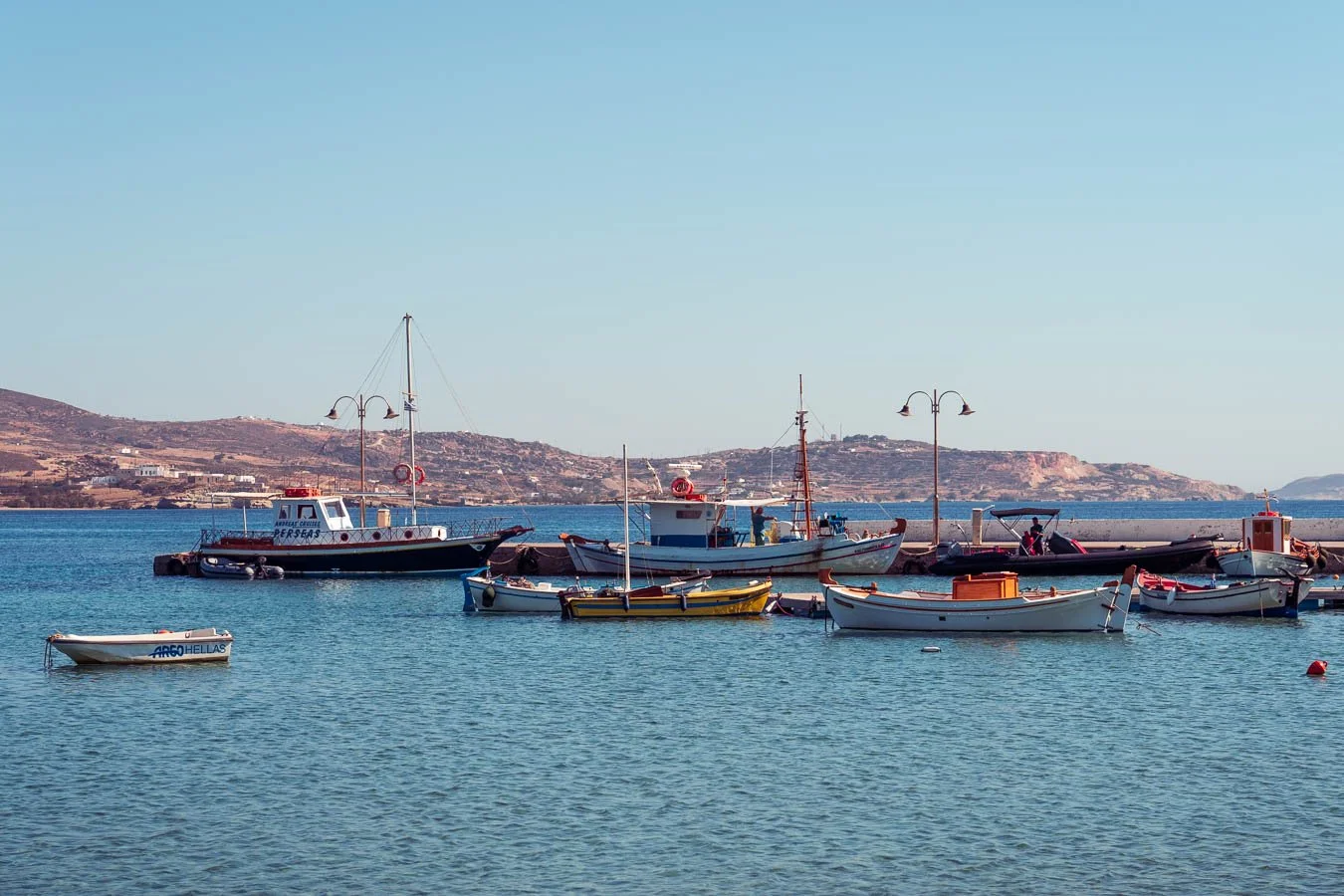
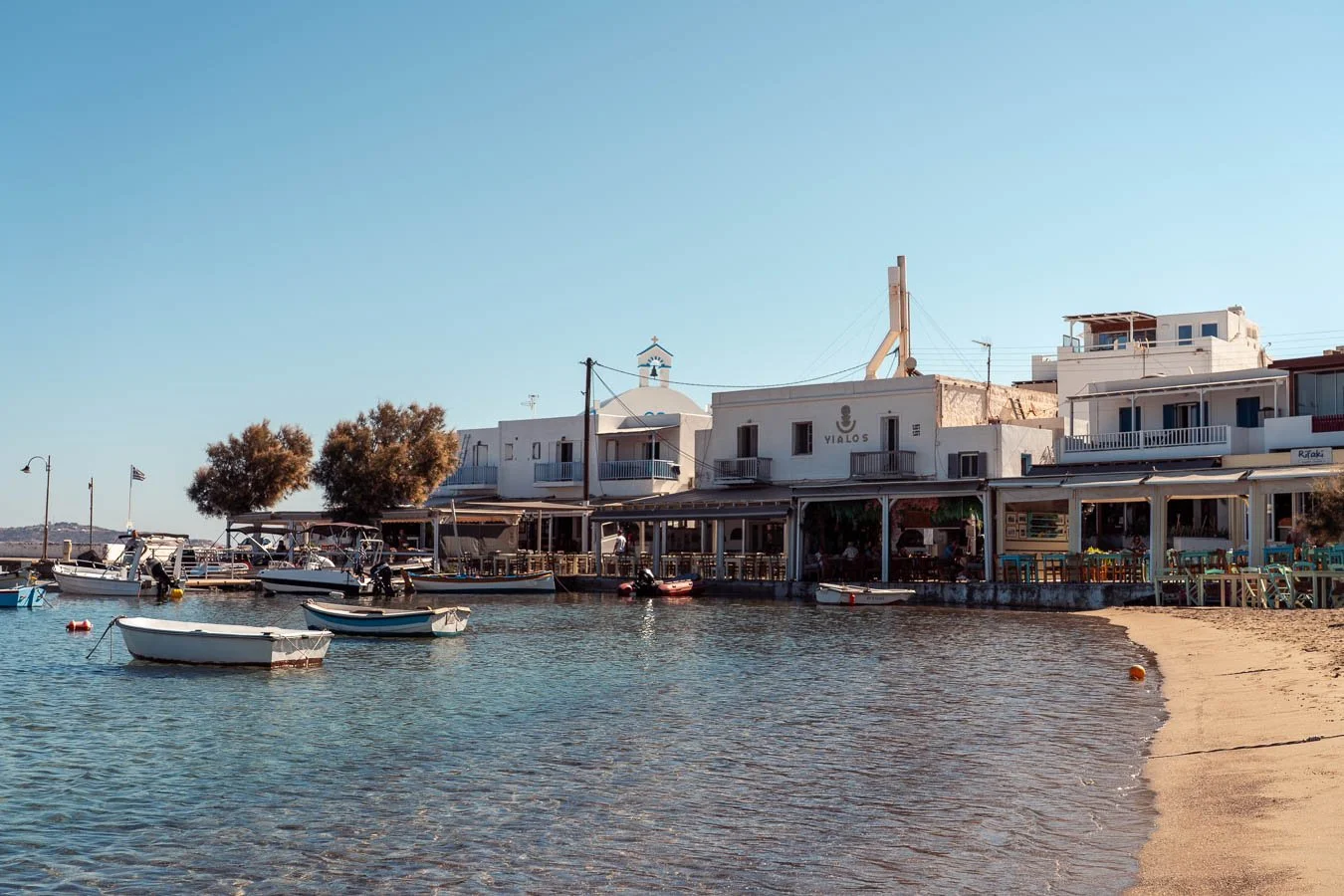
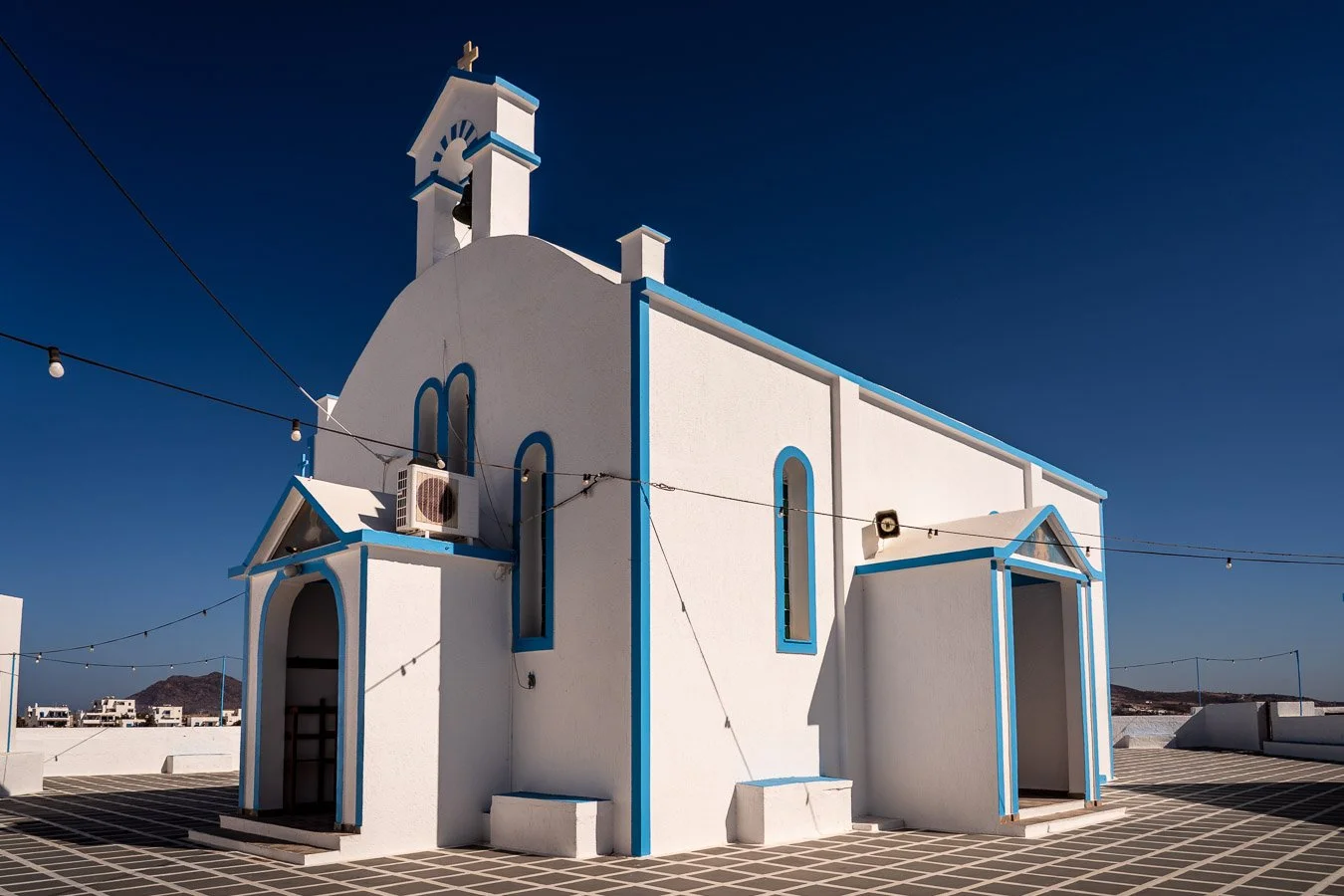
On our last day, we decided to explore Pollonia, another charming seaside village on the island of Milos. Nestled along the northern coast, Pollonia is known for its serene atmosphere and picturesque fishing harbor. The village itself is tiny but has that lovely Greek island vibe to it that visitors are sure to find charming. We took time to wander through the village and take a quick swim in the sea before heading towards Klima for some photos of the infamous colored houses.
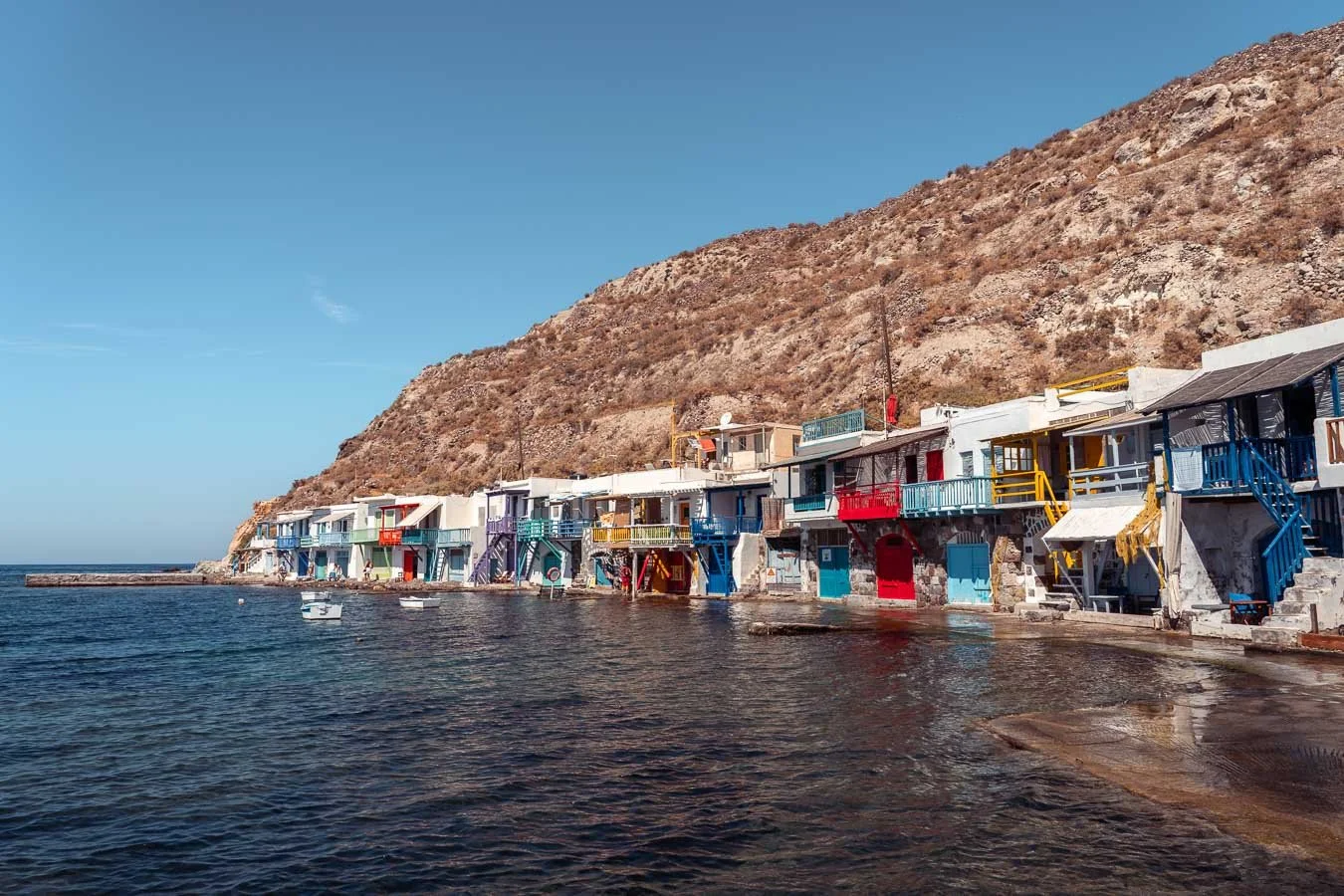
Klima, just a short drive from Plaka, sits at the base of a rather steep hill, which is nestled just below the village of Trypiti. The drive down to Klima, like many drives in Greece, is a bit nerve-wracking with narrow one-car lanes and two directions of travel. The road eventually widens into a paved road where you will find a car park that’s a short walk from the actual village. If you’re lucky you’ll also find some very cute baby chickens in the car park like we did! We stopped at Klima’s only restaurant Astakas for a coffee and beer break before walking along the syrmata for photos of the fishing houses. While not offering much in the way of activies, Klima is a cute destination on Milos where you can find a peaceful place to stop for food or drinks and snap some fun, colorful photos. Luckily, you will also find more cats.
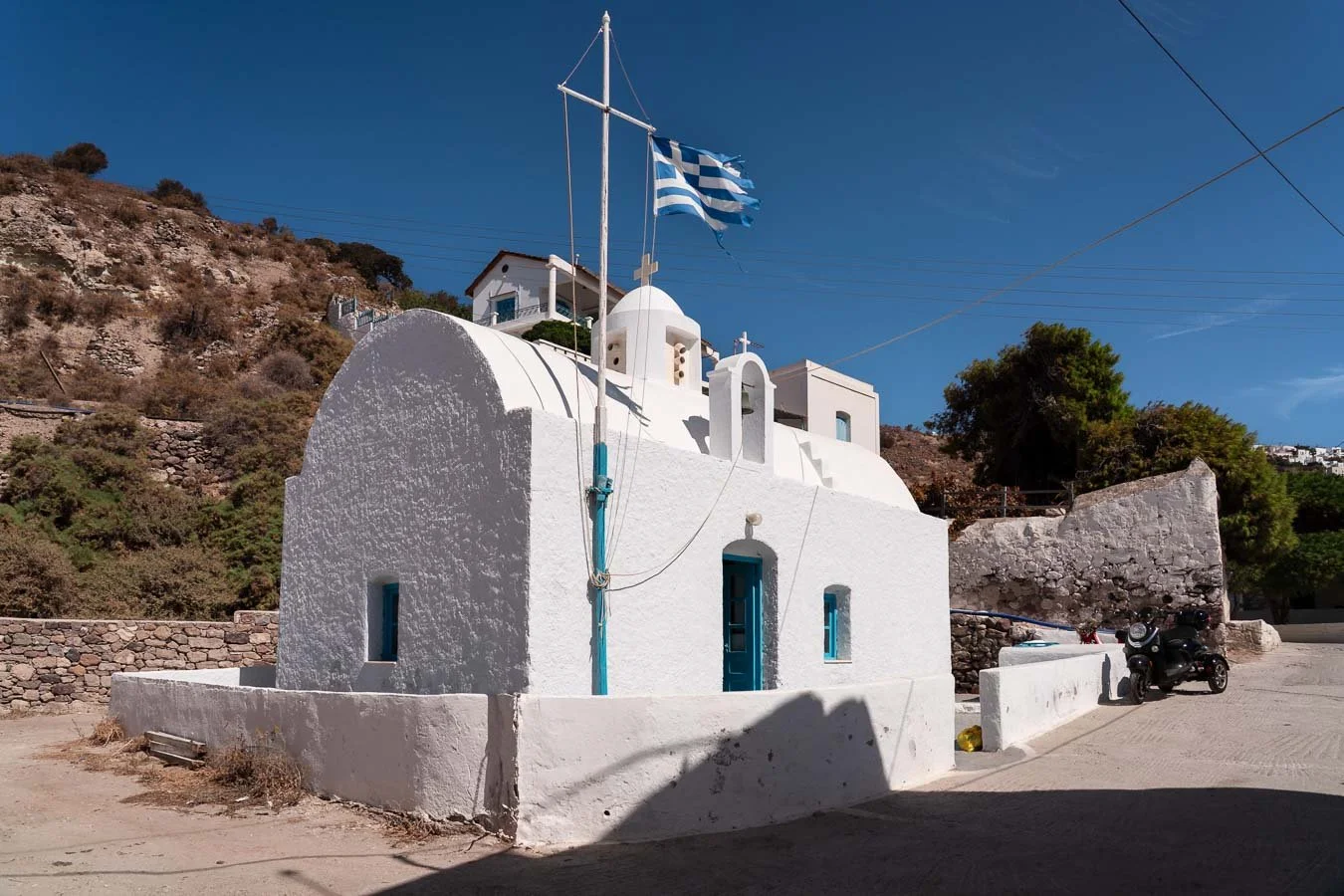

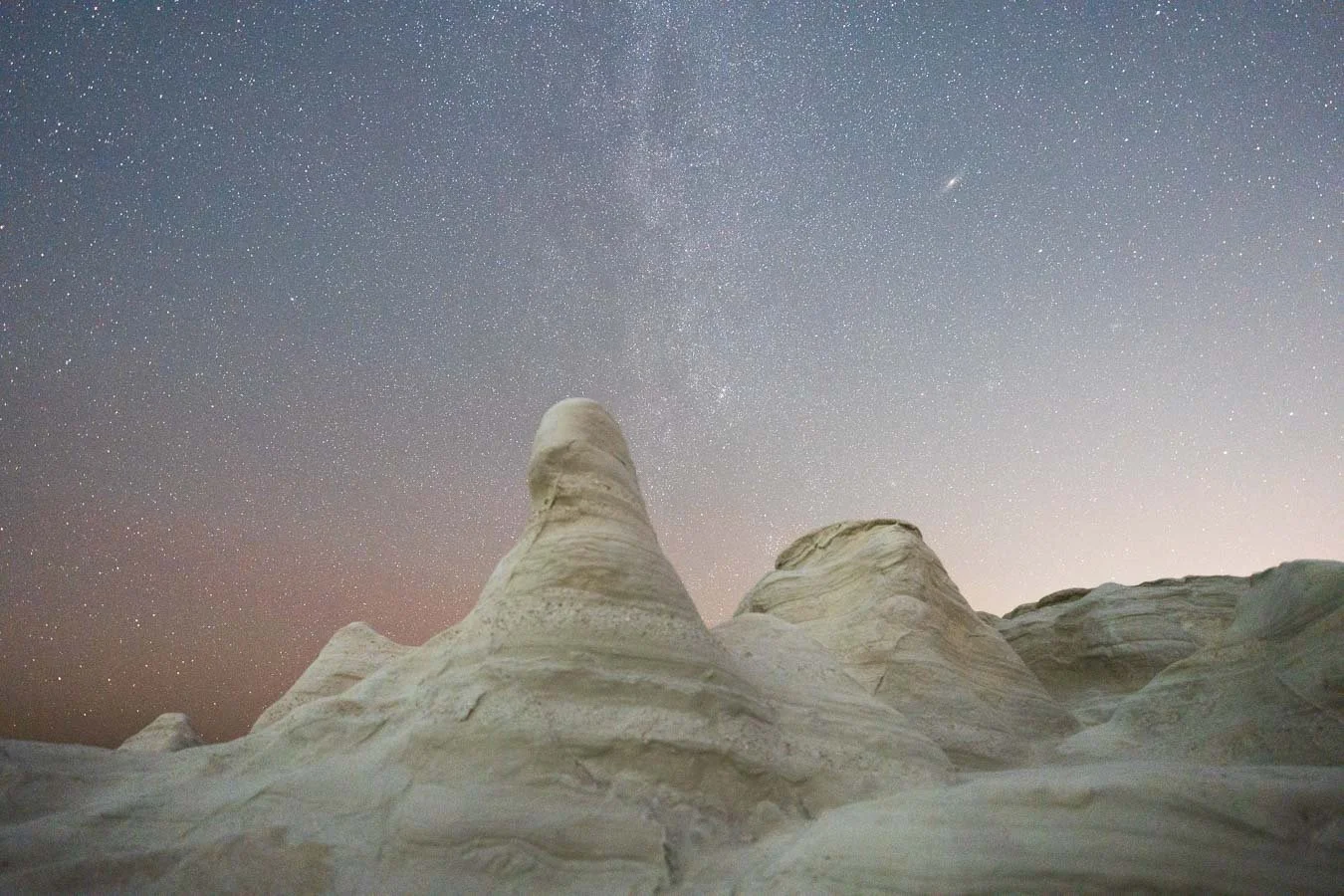
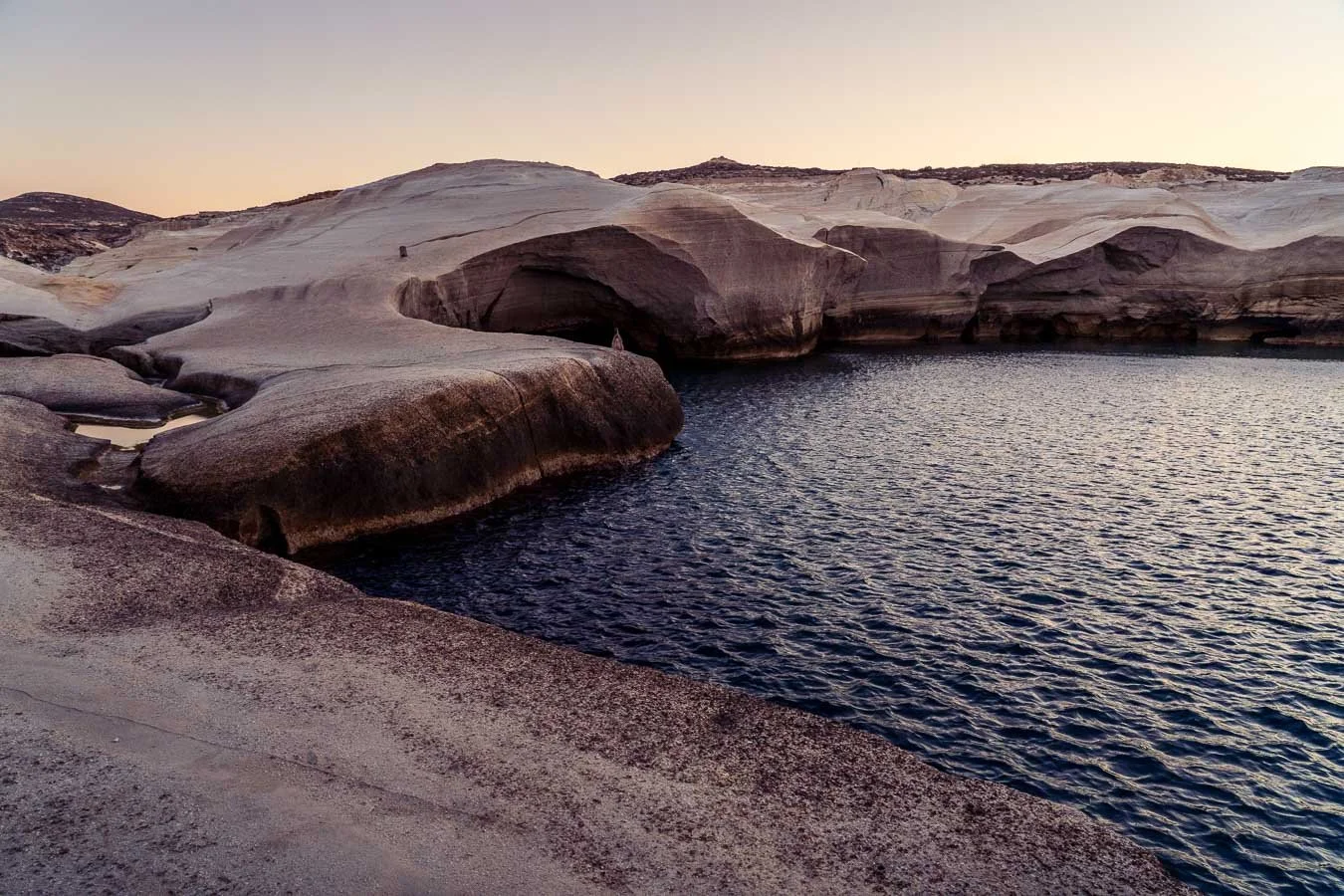
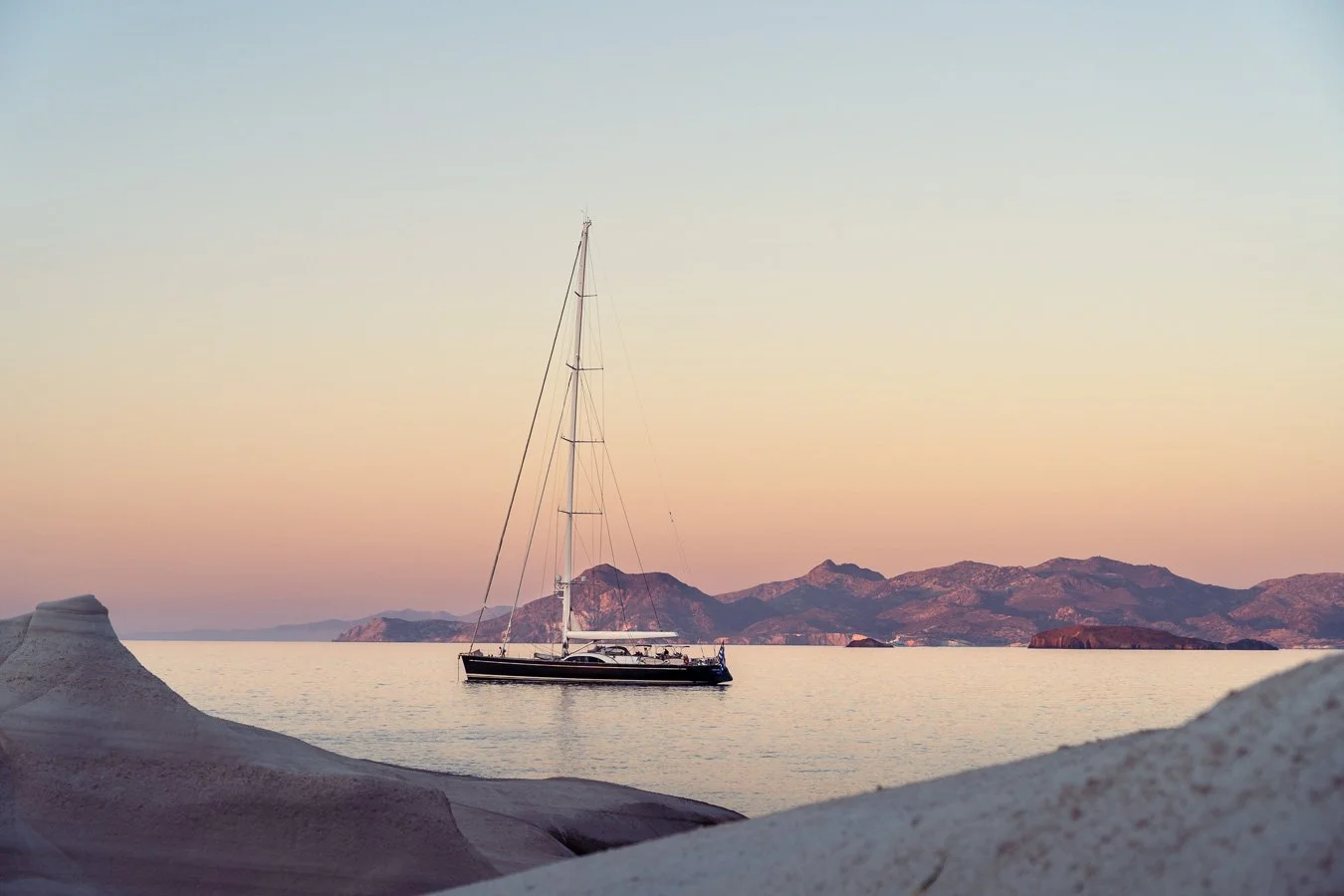
Naturally, we spent our last night on Milos back at Sarakiniko Beach chasing one last sunset and some shots of the Milky Way later in the night. There’s a reason we kept going back here – every sunset was stunning. We took a break from photos to have one last dinner on Milos at Alevromilos, which is a lovely restaurant outside of Adamas. Afterwards, we headed back to Sarakiniko to set up for some shots of the Milky Way, which is often visible in Milos due to its low light pollution. With its otherworldly scenery, the beach provided a calm and memorable setting for some final photos, marking the perfect end to our time on Milos before heading into the chaos of Athens.
Athens
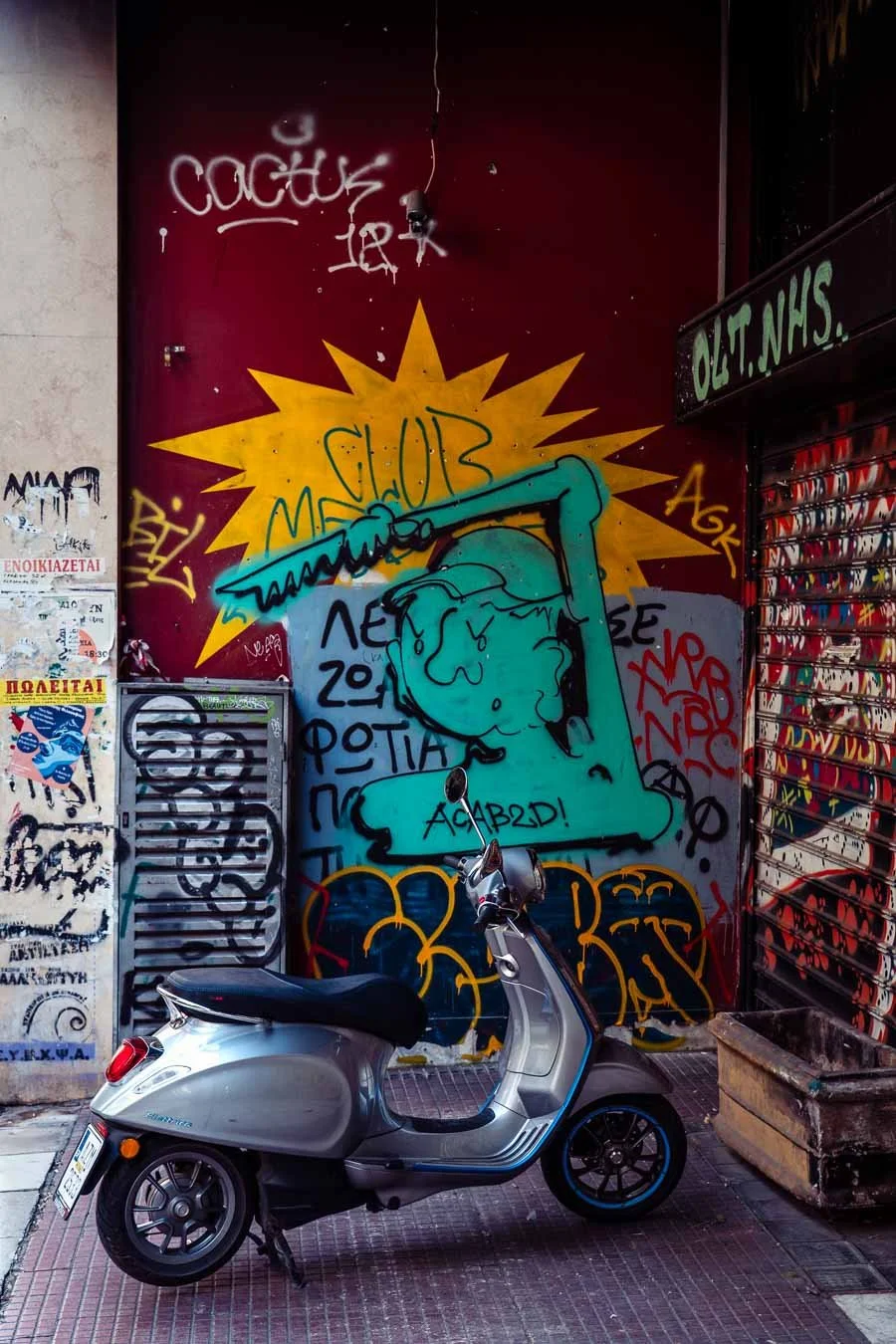
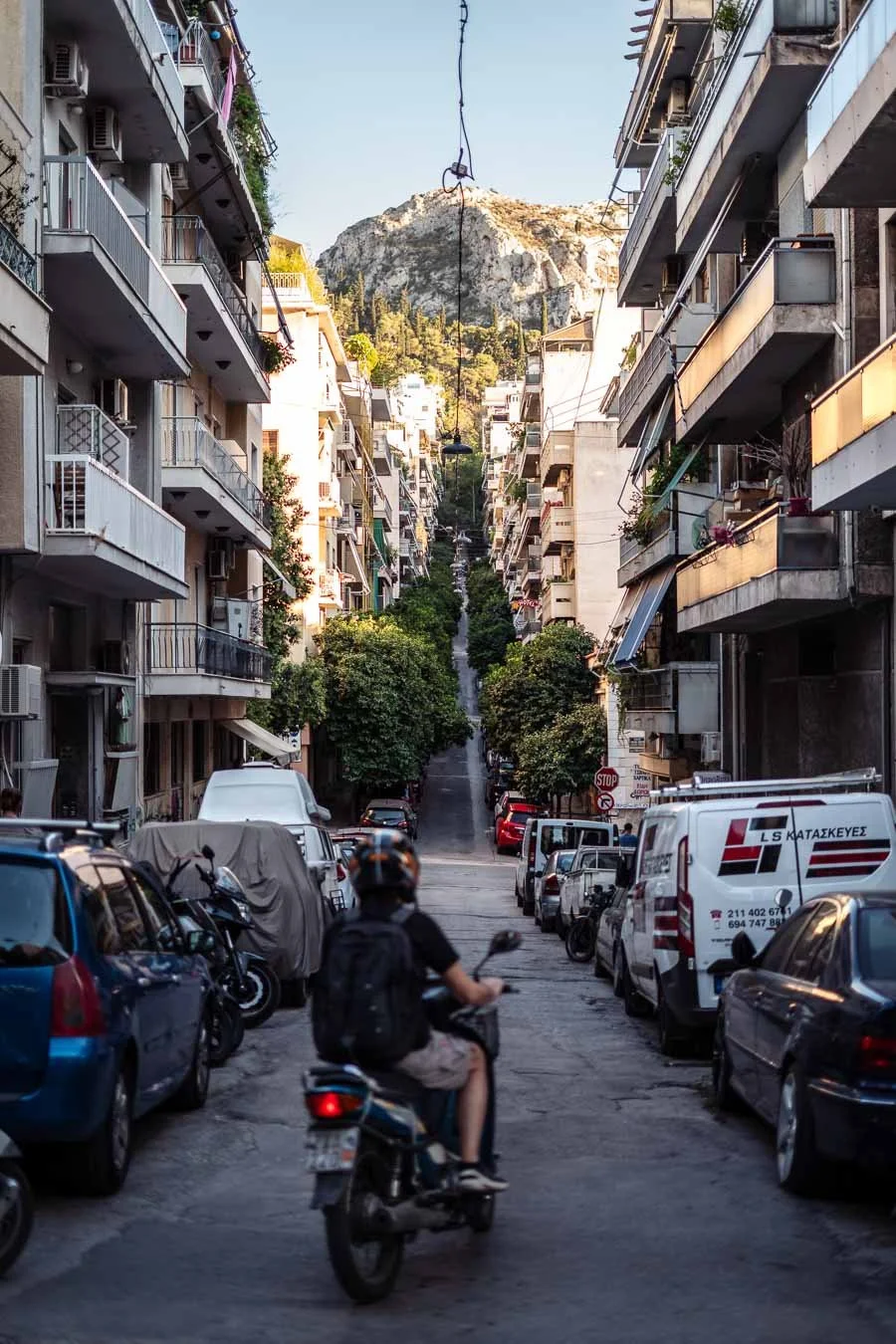
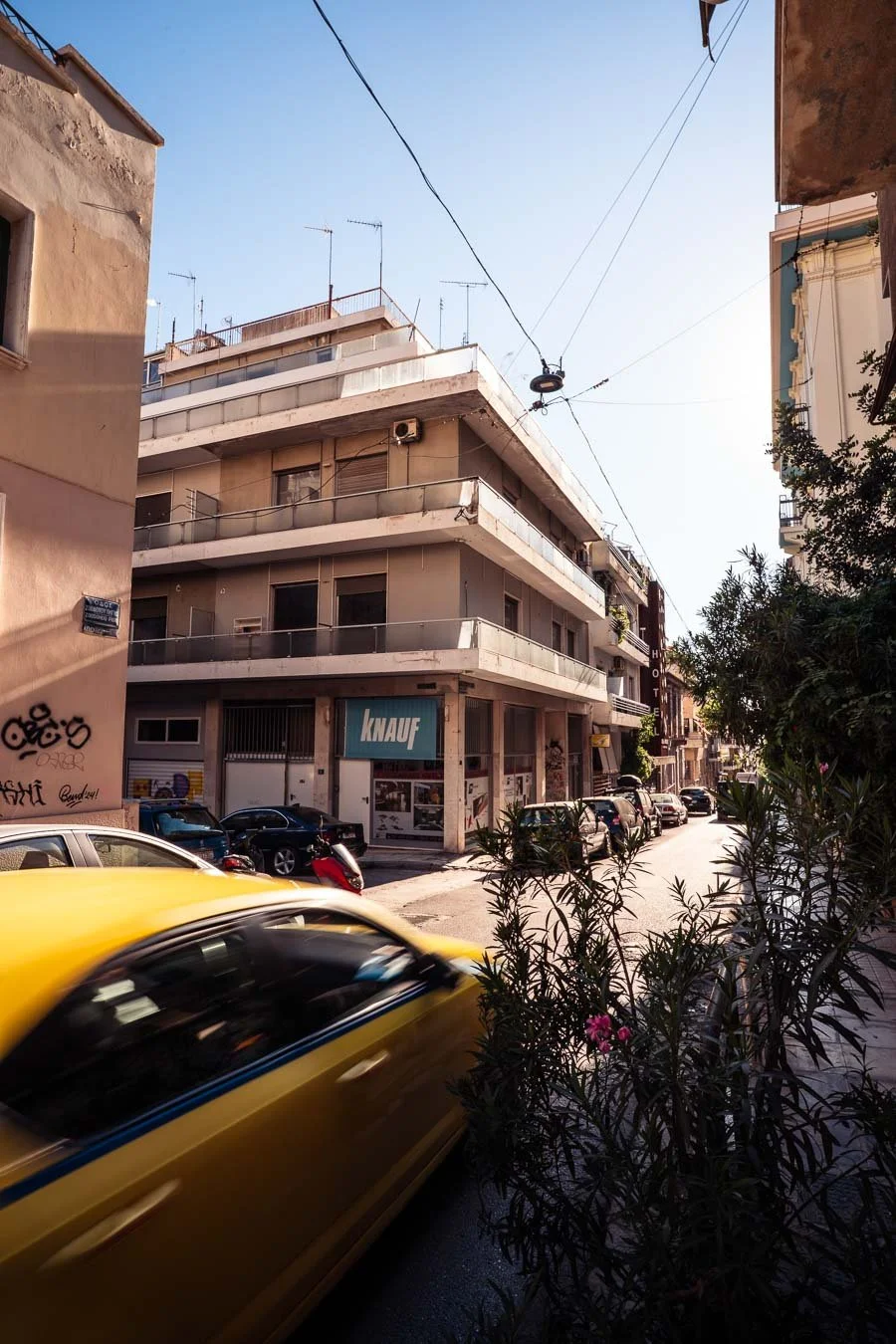
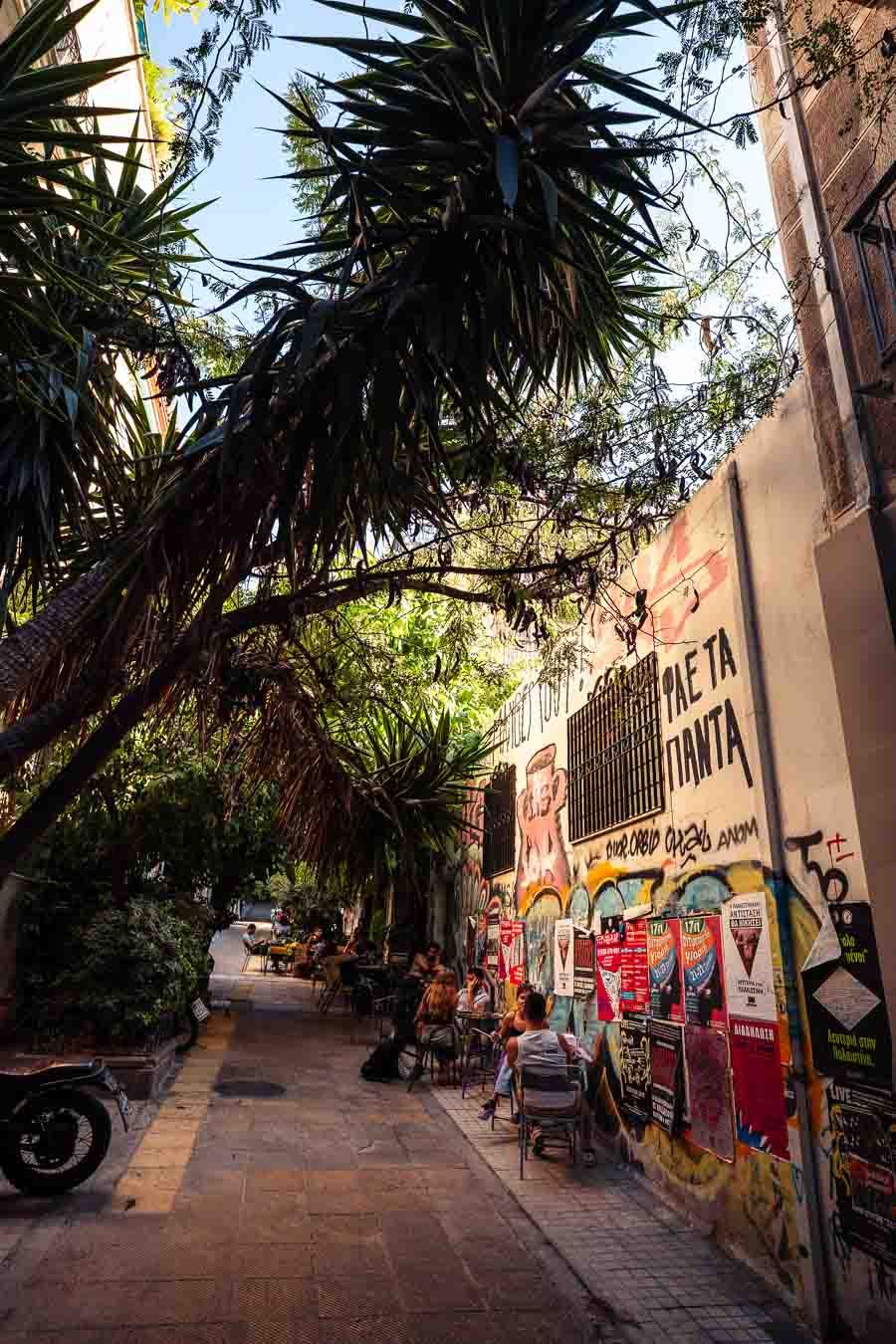
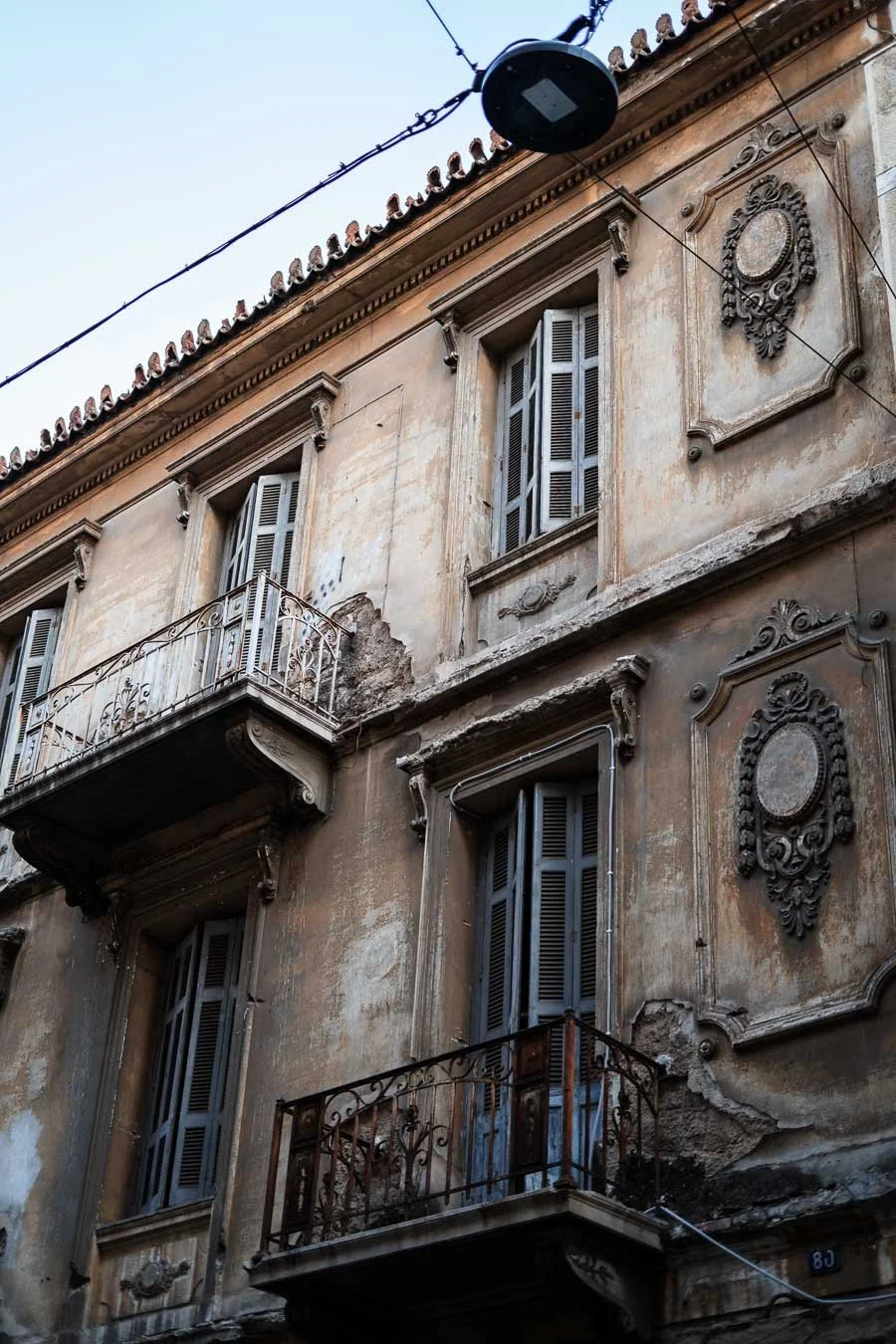
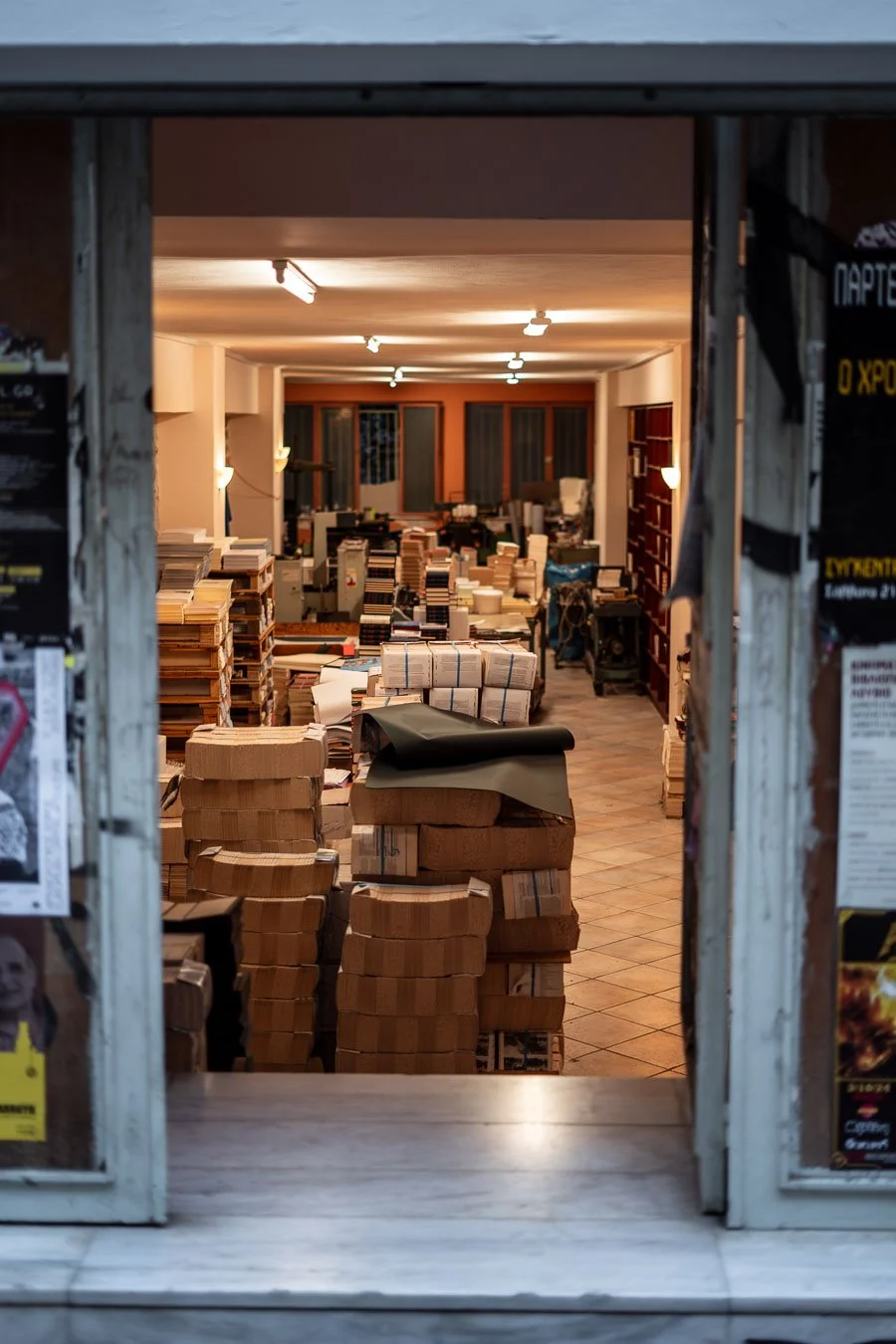
Athens is a chaotic, fun and lived in city. A city where ancient history and modern energy collide, and nothing you see is picture perfect. For us, Athens was a strategic addition to our itinerary, but we quickly found out this city has far more to offer than its airport.
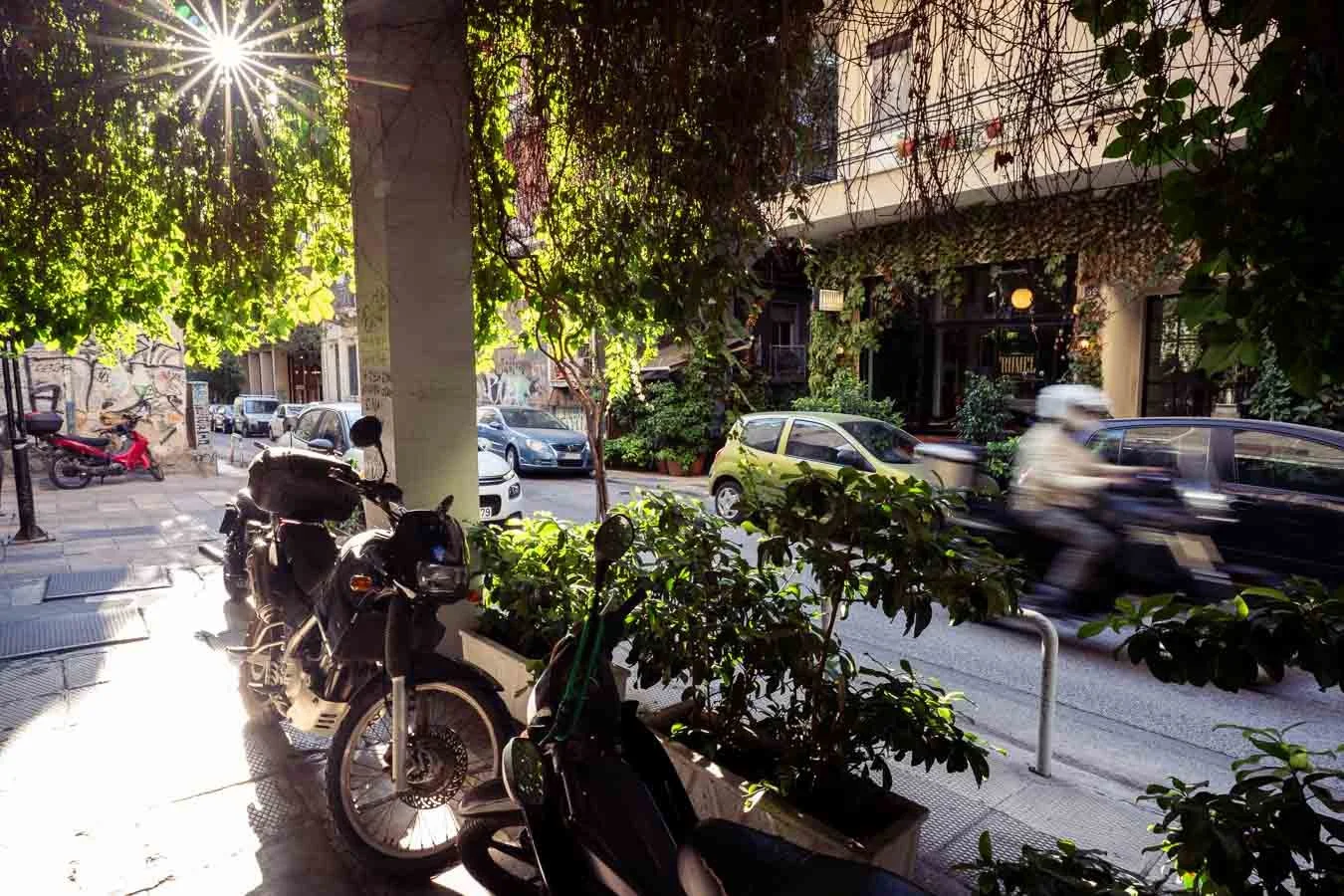
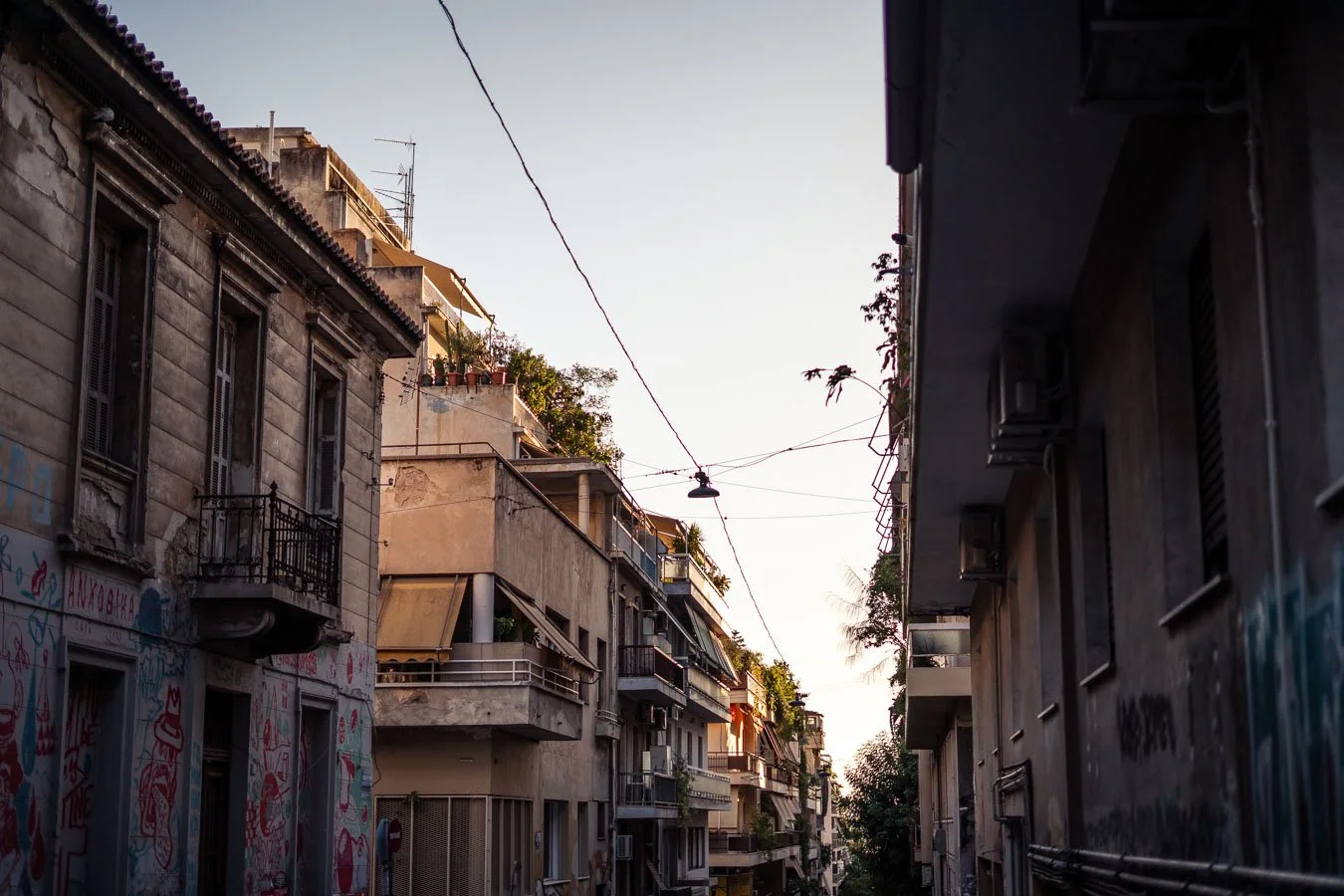
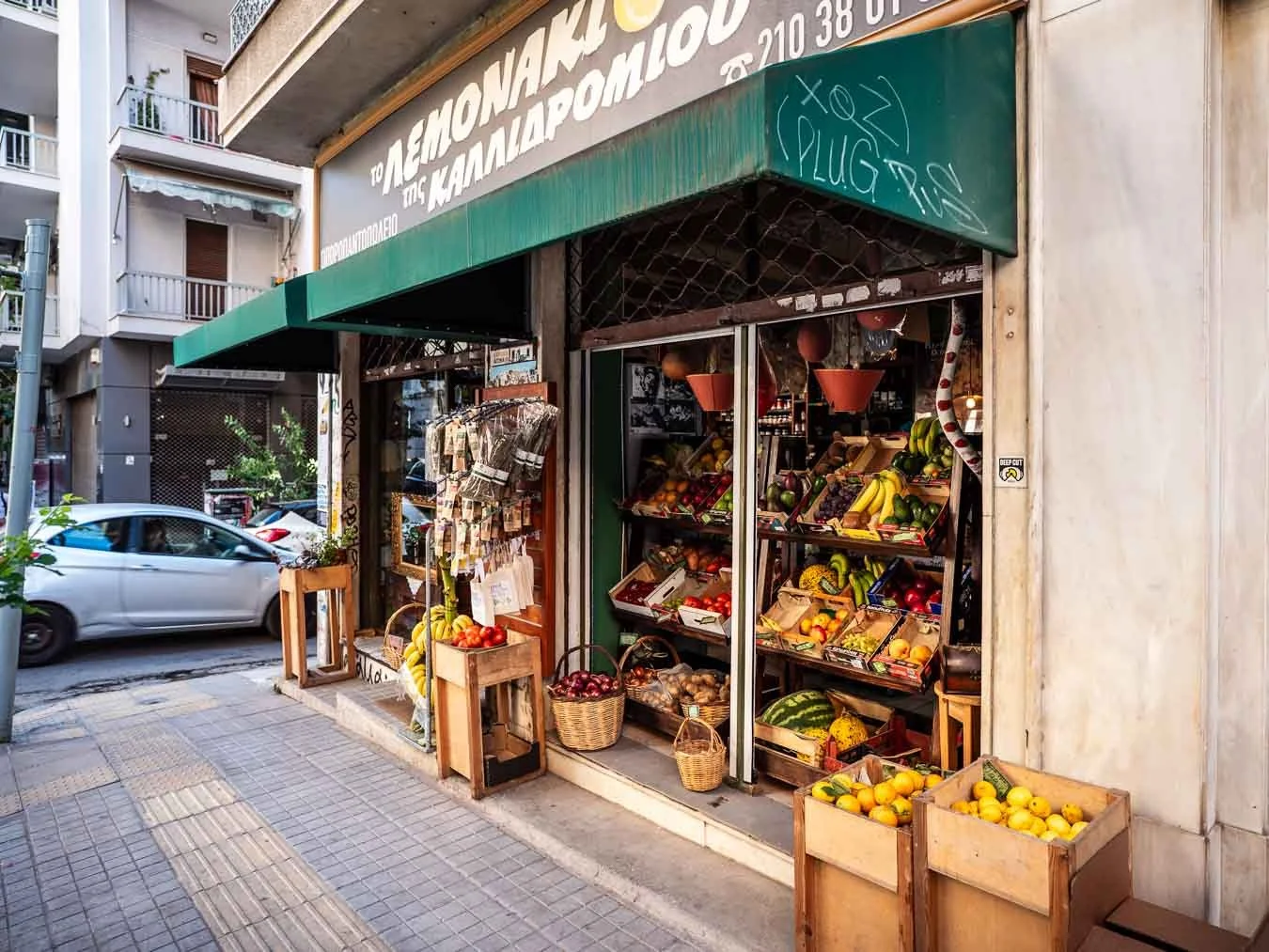
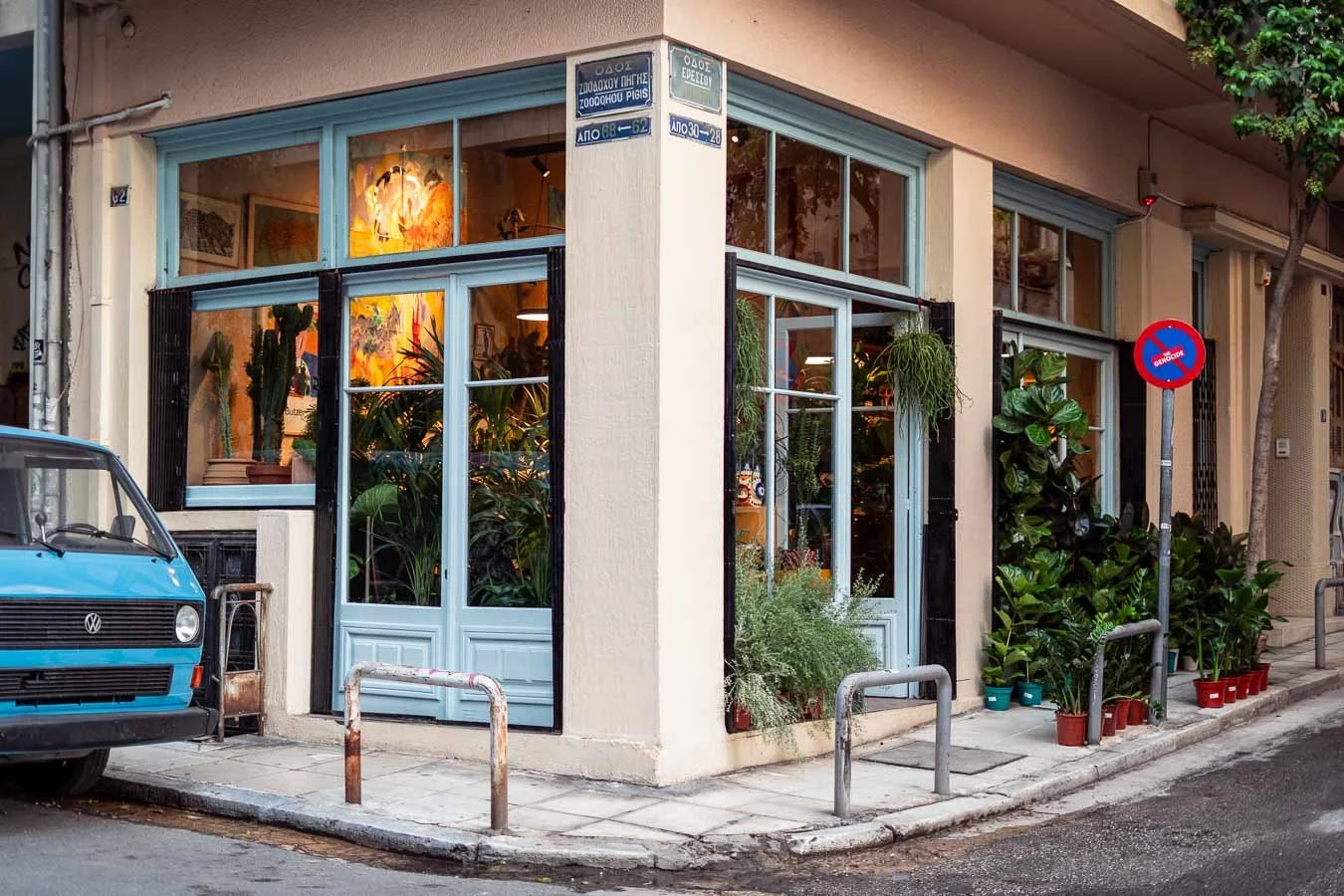
We decided to take one of the many taxis waiting at Piraeus Port, a choice I wouldn’t recommend unless you’re keen on overpaying. Nearly 50 euros later, we arrived at the Q Hotel in the Exarcheia district. Exarcheia often gets mixed reviews, but for those looking to experience Athens beyond the usual tourist trail, it’s a great spot to stay for a few nights. The streets are narrow, the buildings are worn, and the graffiti shifts from street art to political statements. Despite its raw edge, Exarcheia is the perfect fusion of historic charm and modern urban life, with its lively cafés and vibrant alternative scene. Best of all, it’s just a short walk to some of Athens’ most iconic landmarks.
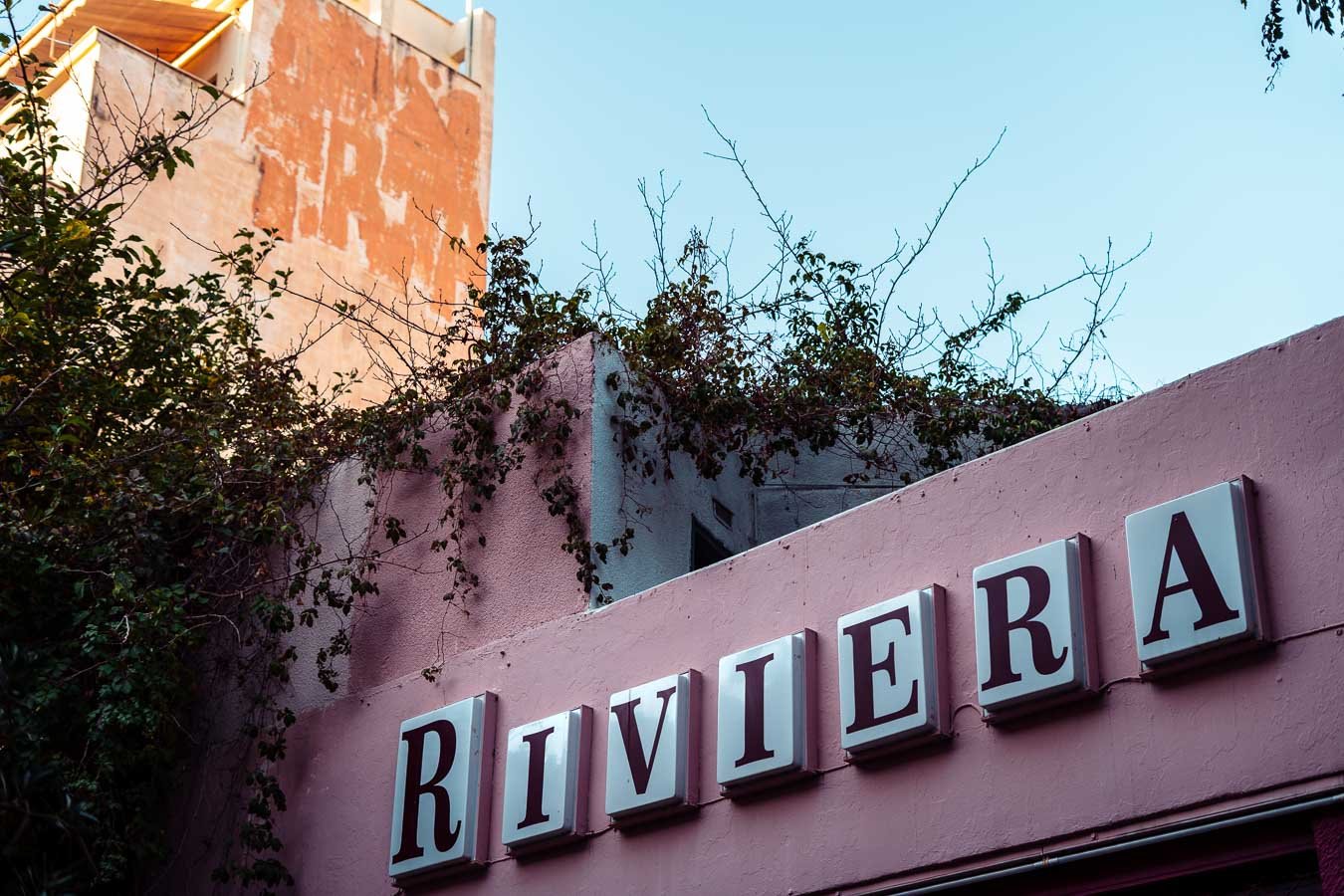
After breakfast at our hotel the following morning, we ventured into the Plaka neighborhood, or Old Athens, which is one of the most popular areas among tourists. It was nearly a 30-minute walk from our hotel, but a trek through authentic Athens is always worth it. Of course, the area is popular among tourists for a reason. Located just beneath the Acropolis, Plaka is one of Athens’ oldest and most picturesque neighborhoods. The narrow, flagstone streets are lined with neoclassical buildings, vibrant bougainvillea, and a mix of restaurants and second-rate souvenir boutiques. Plaka is also steeped in history, and you’ll find plenty of historical landmarks and museums scattered throughout the area. It’s also home to some of Athens’ best restaurants, offering classic Greek dishes in cozy tavernas that are tucked away within the labyrinth of winding streets. For us, Plaka was charming, but it also felt heavily commercialized when compared to the authenticity of neighborhoods like Exarcheia.
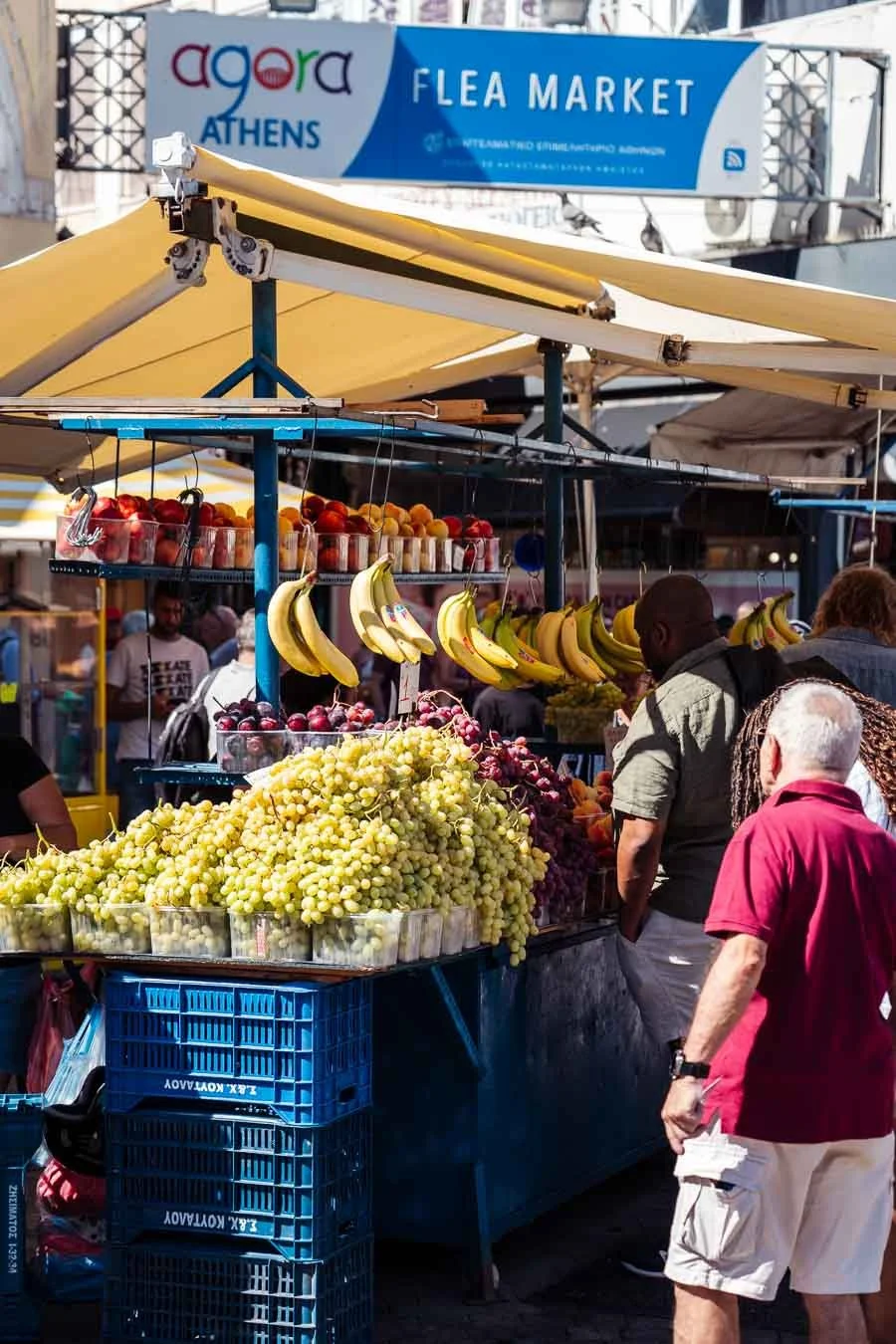
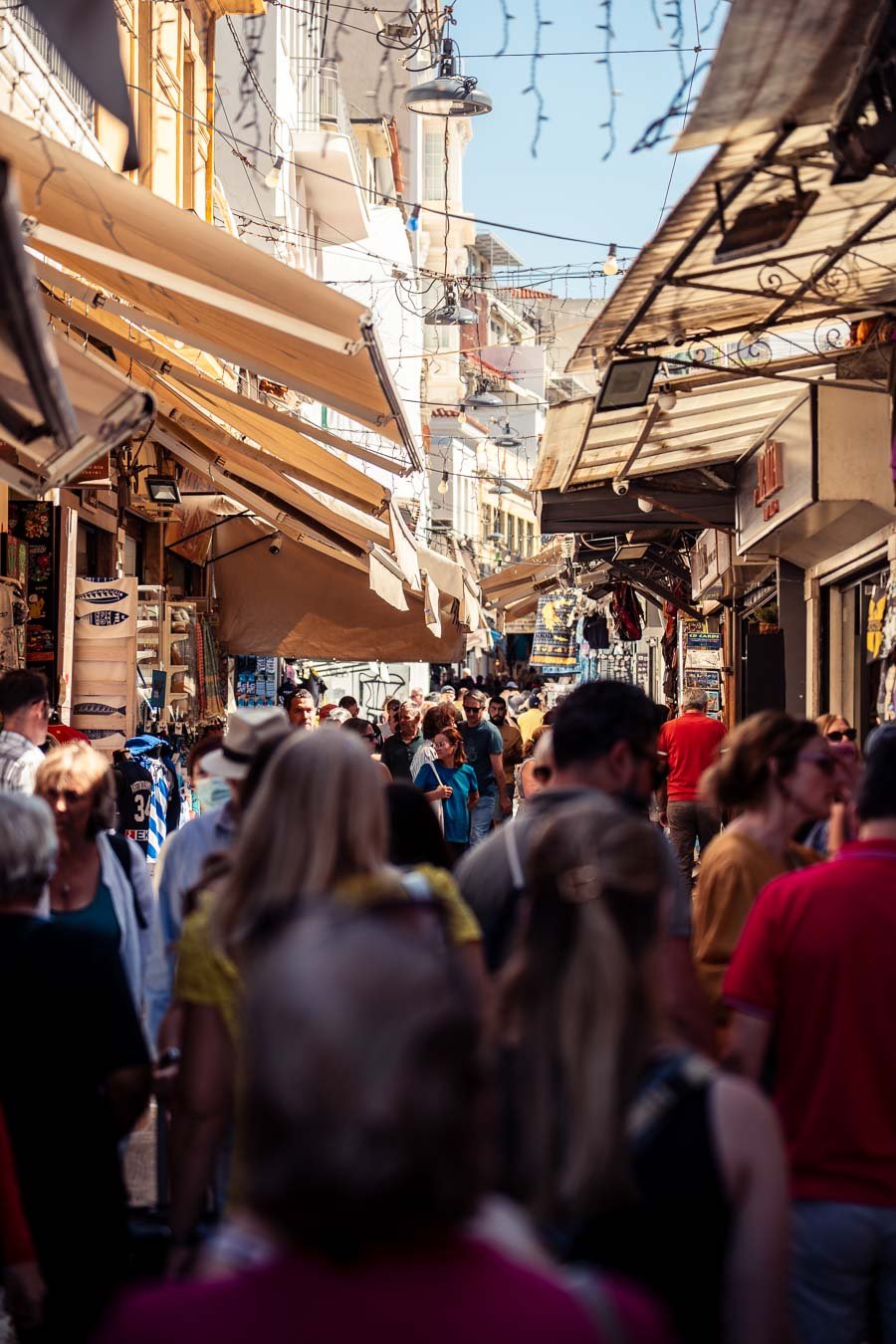
We ventured to Monastiraki Flea Market, which is just a large maze of shops offering anything from souvenirs to army surplus. The shops in this district are conventional for a tourist area and mostly sell the same Greece souvenirs that appear to be made in cheap labor countries. Really, it’s less of a flea market and more of a souvenir hodgepodge with some secondhand stores and vendors thrown into the mix. Regardless, we enjoyed our time wandering through the area and it’s a nice way to spend some time while you’re in Athens.
For our last dinner in Athens, we decided on Avli (also in Exarcheia) for dinner. This restaurant has a classic old Athens feel to it – red and white checkered tablecloths, traditional wooden chairs, and walls lines with vintage photos. This is a lovely place for a relaxed and quiet dinner with a friendly staff and even a stray cat or two that might join you for dinner if you’re lucky.
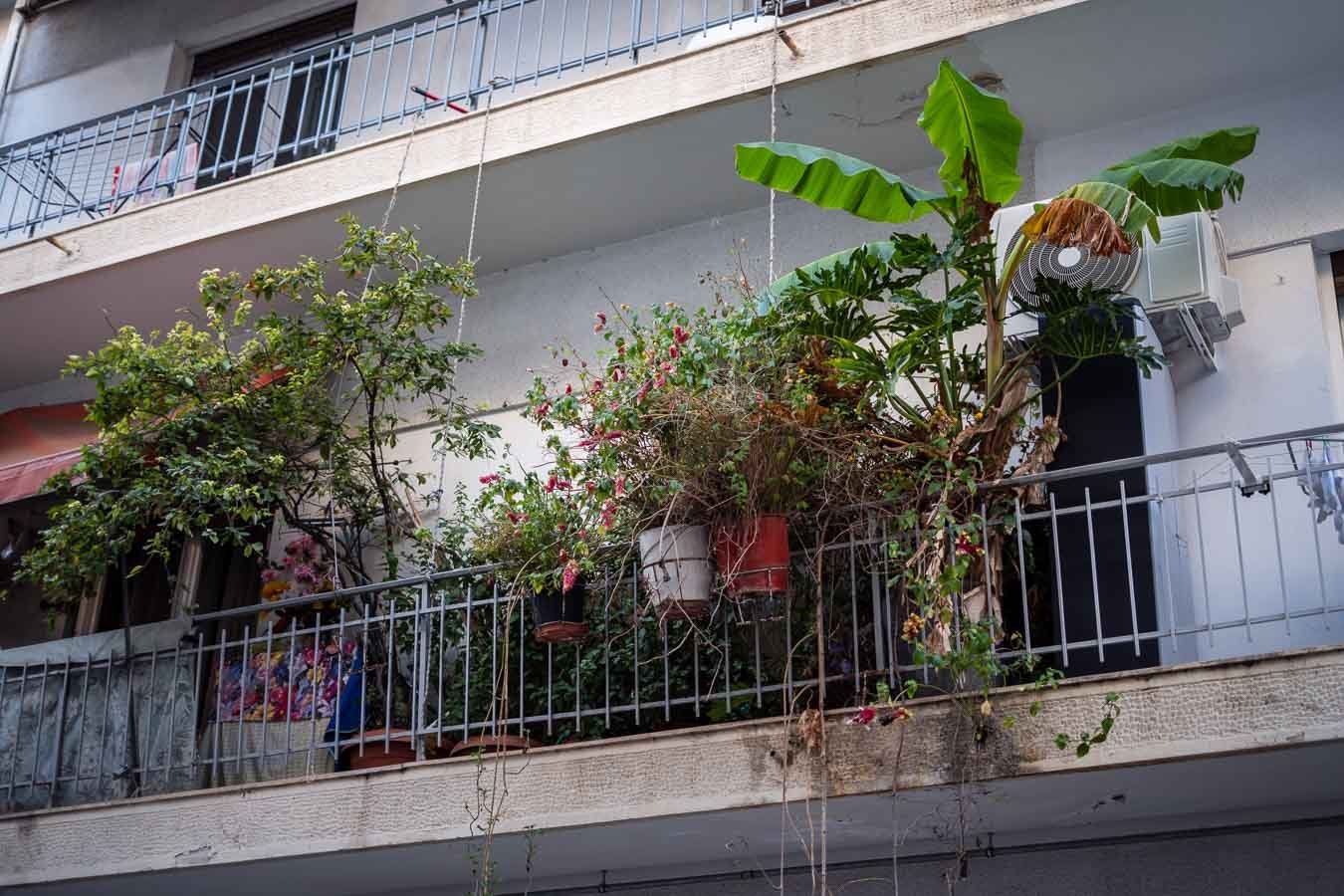
Before heading back to our room to pack up, we took a stroll through the district to take in the last sights and sounds of the city. At night, the streets of Exarcheia are full of life with tavernas and bars that spill out onto the sidewalks and signs that go up advertising cheap drinks. You might hear music from a nearby bar and the constant murmur of conversations, but Exarcheia’s chaos is balanced by a sense of calm, as if time slows down a bit once the sun sets. For us, this is really how we saw all of Greece, namely unpolished and full of life.
Planning & Preparation Advice
Whether you’re a culture lover, a beach enthusiast, a foodie, or an adventure seeker, Greece has something for everyone. However, with so many islands, cities, and regions to choose from, planning your trip can feel overwhelming. To help you make the most of your time in Greece, here are some essential planning and preparation tips to ensure you have a smooth and memorable experience:
Decide on the Best Time to Visit
Greece is a year-round destination, but the best time to visit depends on the kind of experience you're looking for.
High Season (June to August): This is when Greece is most crowded. The weather is hot and sunny, so it’s an ideal time for beach lovers, but tourist spots can feel over-crowded.
Shoulder Season (May and September to October): The weather is still warm, but the crowds are thinner. This is the ideal time for those who want to enjoy both the good weather and fewer tourists.
Low Season (November to April): Winter is quieter, and many islands, especially in the Aegean and Ionian seas, become less accessible. However, this is a great time to explore Athens and other historical sites without the crowds, and you can also enjoy lower costs on accommodation.
Choose Your Destinations Wisely
Greece is home to over 200 inhabited islands and countless historical sites, so it’s important to prioritize your must-see destinations.
The Cyclades: Famous for their whitewashed buildings, blue-domed churches, and stunning beaches, islands like Santorini, Mykonos, Naxos, and Paros are hugely popular. Santorini is known for its panoramic sunsets, while Mykonos offers a lively nightlife scene. We decided to skip these destinations because we weren’t looking for the most touristed areas in Greece.
The Ionian Islands: For lush landscapes and quieter beaches, consider islands like Corfu, Zakynthos, and Kefalonia.
Crete: The largest of Greece’s islands, Crete offers a perfect blend of ancient history, gorgeous beaches, and mountain villages. We chose to visit Crete for the hiking opportunities so we would have a mixture of both outdoor adventure and relaxation.
Athens and Mainland Greece: People typically visit Athens for its iconic ancient landmarks like the Acropolis, the Parthenon, and the Temple of Olympian Zeus. However, we suggest venturing out of the popular Plaka to neighborhoods like Exarcheia where the attitude shifts from conventional to radical. Mainland Greece also offers mountain villages, charming towns like Nafplio, and picturesque spots like Meteora with its monasteries perched on towering rock formations.
Transportation Tips: Getting Around Greece
Getting around Greece can be easy and convenient if you plan, though transportation options vary between islands and the mainland.
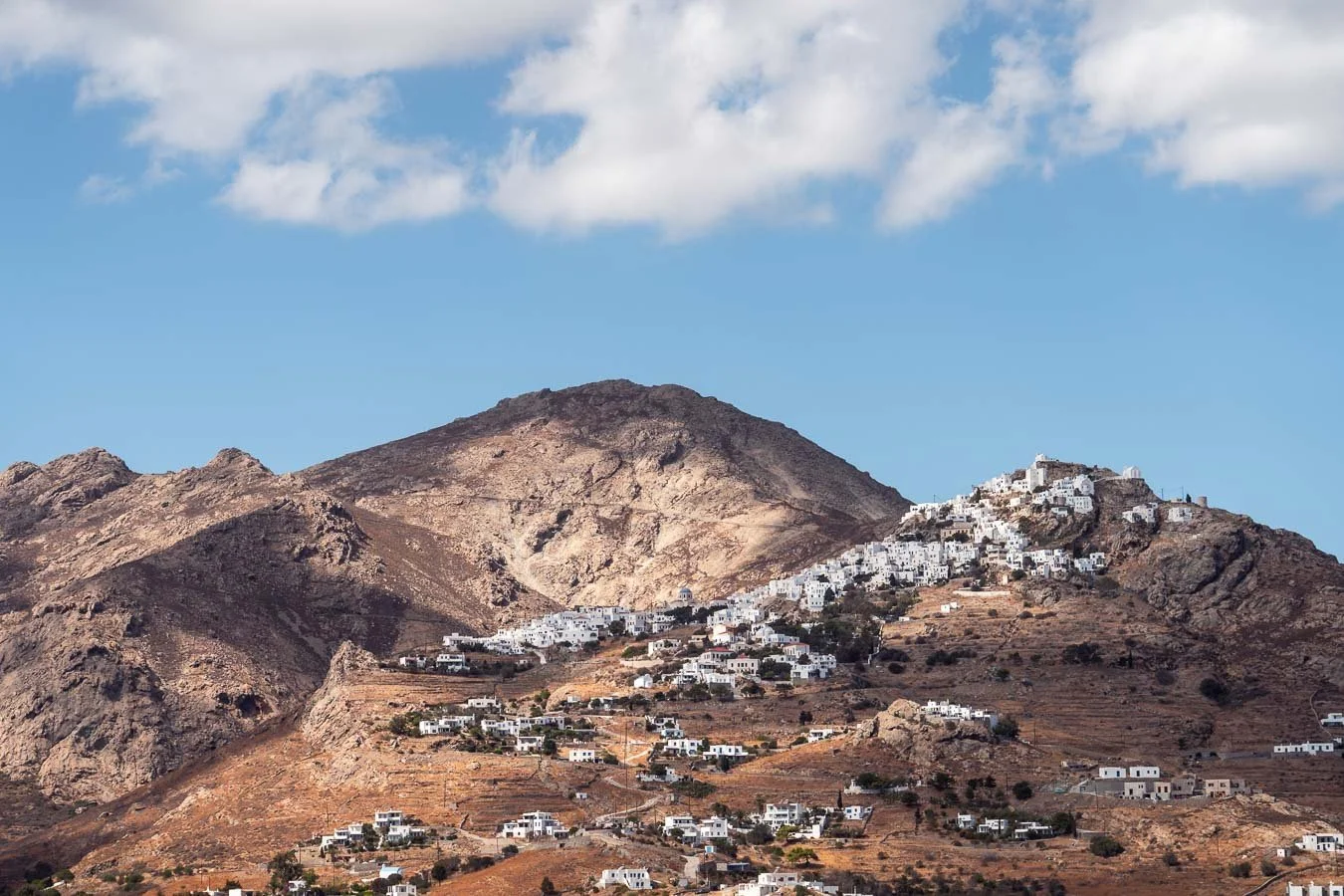
The whitewashed houses of Chora on Serifos, as seen from the ferry between Milos and Athens.
Ferries: Ferries are the primary mode of transport between Greek islands. Book your ferry tickets in advance, especially during high season, as the boats can get crowded. The two main ferry operators are Blue Star Ferries and Hellenic Seaways, both offering routes to and from most major islands. We traveled with Sea Jets and had easy experiences on our trips.
Flights for Long Distances: For quick access to islands further from Athens, such as Crete, Rhodes, or the Ionian Islands, flying can be faster and relatively cheap.
Renting a car, scooter, or ATV: Renting a car is an excellent way to explore the mainland and larger islands like Crete. For smaller islands like Milos, renting a car isn’t necessarily a must-do, but we would recommend it so you can make the most out of your time on the island. It was a cheap rental for our time there, and we liked being able to make plans on the fly instead of having to rely on other means of transport. Always check with the rental agency regarding insurance, especially for off-road driving on islands like Crete.
Public Transport: If you’re staying in a city like Athens, public transportation is reliable, with metro, tram, and bus services connecting key locations. On islands like Milos, you can opt for public transport, but keep in mind the routes might be less frequent.
Recommendations & Lessons Learned
Greece is a destination that never fails to captivate – whether it’s the rich history, vibrant culture, stunning landscapes, or incredible food. After spending time exploring a few places in Greece, here are some recommendations that can help make your trip smoother and more enjoyable:
1. Plan your itinerary but leave room for spontaneity
While it’s important to have an itinerary, it’s always possible to overschedule your days. Leave space for unplanned adventures. Our trip started out with an itinerary that changed almost completely by the end of our time on Crete but having that sort of freedom made for some of the best moments of our trip. It’s easy to fall into the trap of wanting to see everything, especially in a country as historically rich as Greece. But sometimes, the joy is in savoring the small moments – like a leisurely meal at a taverna or watching the sunset from Sarakiniko Beach. Be flexible with your plans, and let the local rhythm guide you.
2. Rent transportation
This falls under the umbrella of the previous recommendation. If you’re trip to Greece only includes cities like Athens, Mykonos, or Santorini then maybe you don’t need to rent a car. However, if you’re planning to explore islands like Crete and Milos, then renting a car or scooter is the way to go. For us, choosing a rental with a roof tent made Crete a pretty fun adventure and we would recommend it for those that like a bit more of an outdoor adventure.
Consider this a warning though – if you’re not super confident driving a manual transmission then go with an automatic for getting around Crete. The island is mountainous, and you will frequently experience some narrow switchbacks and other windy roads. We actually watched one rental’s engine go up in smoke trying to get out of the Limania parking area. You’ll also be navigating some very narrow and steep roads in many of the cities on Crete, which can make operating a manual transmission more stressful. Since Greece is usually a trip meant for relaxing rather than stressing, maybe consider the automatic to make your life a little easier.
3. Don’t skip Athens – it’s more than just a stopover
Many travelers see Athens as a quick stopover on their way to the islands (including us), but we recommend giving the Greek capital at least a day or two. Most people visit iconic sites like the Acropolis, Parthenon, and Temple of Olympian Zeus, but Athens is much more than ancient ruins and souvenir shops in Plaka. Athens has an incredible energy, especially in the areas around Exarcheia, where you’ll find a mix of modern life, bustling markets, and hidden gems. Don’t just rush through it – take time to experience its contrasts, from the cobblestone alleys to the contemporary art scene.
4. Download the app FreeNow for taxi rides
If you plan to visit Athens (and you should) then go ahead and download FreeNow if you plan to use a taxi at any point, especially from the ferry port or the airport. You can of course always haggle with drivers, but oftentimes you will find they don’t accept cards and will give you higher rates than those you find in the app. Learn from our mistakes and save yourself some cash.
Conclusion
For us, a trip through Crete, Milos, and Athens was the perfect way to experience Greece for the first time. We had the opportunity to explore history, take in some breathtaking scenery, and soak up the energy of Greece’s cities and coastal villages. In Crete, we found the ideal balance of adventure and relaxation – from camping and hiking to discovering some of the island’s most beautiful beaches and crystal-clear swimming spots. Whether we were trekking through gorges or lounging by the turquoise waters, Crete offered the perfect mix of outdoor adventure and relaxing moments. And of course, plenty of delicious food and raki.
Our adventures on Crete were beautifully balanced by our time on Milos. Milos is known for its unique volcanic landscapes, pristine beaches, and charming, colorful villages. However, Milos is also a relaxed and peaceful island. After several nights of camping, it was a welcome treat to unwind in a comfortable hotel bed and just relax with no schedule before heading off to Sarakiniko every evening.
And finally, our stop in Athens did not disappoint as well. The city strikes a unique balance between gritty and vibrant. While the tourist hotspots are impressive, it's the authenticity of neighborhoods like Exarcheia that truly captures the soul of Athens.
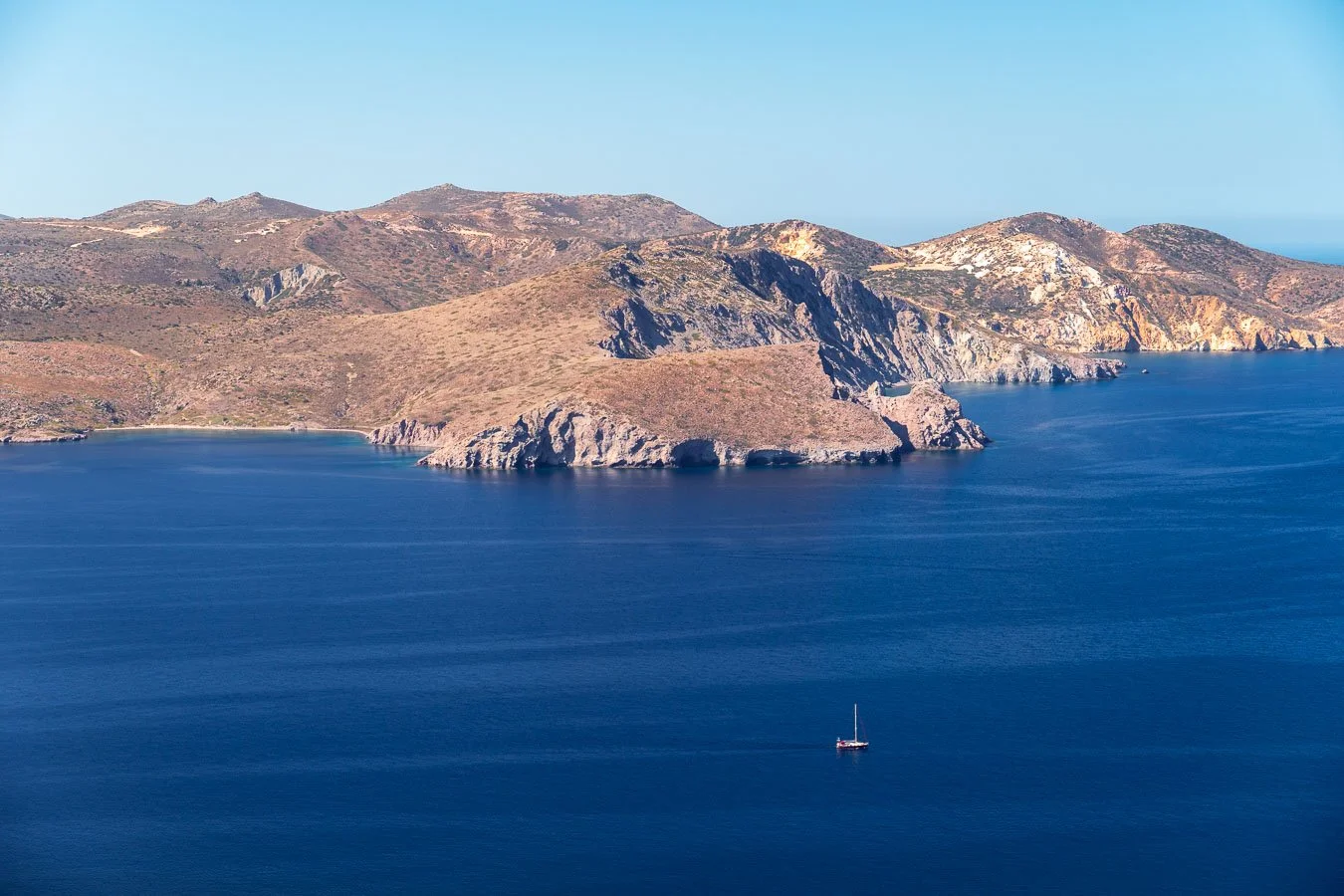
A solitary sailboat glides across the Aegean Sea, captured from the hills of Plaka.
Useful Links
Here are some links and resources to assist you in planning your own island-hopping adventure through Greece!
General Links
Wind speeds (also available as an app, particularly useful if camping in Crete)
Transportation
Other Links
Map
For the best viewing experience, exploring this website on a desktop browser is recommended.
Due to the large number of featured photos, the images are somewhat compressed. For higher-quality versions of selected pictures, visit the photo gallery!
If you enjoyed this blog post and want to see more content beyond the Aegean Sea, explore the blog posts from other journeys around the world!
And in case you have more questions about the itinerary or anything else, feel free to get in touch here!
